
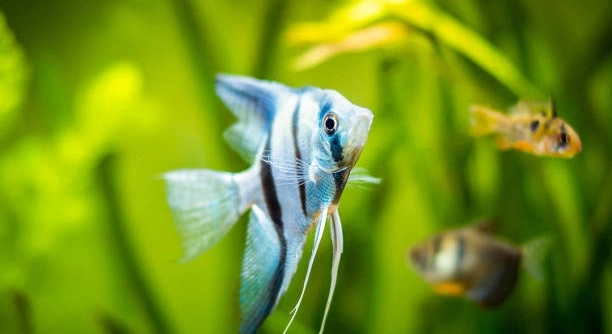
Angelfish are known for their unique behaviors, especially when it comes to their eggs. It can be concerning when you notice your angelfish ignoring its eggs, leaving you wondering what may be going wrong.
There are several potential reasons why your angelfish might ignore its eggs. Stress, poor water conditions, or even environmental changes can cause this behavior. Additionally, the presence of other fish or the failure of fertilization may also contribute to this reaction.
Understanding these causes will help you identify the best approach to ensure the health of your angelfish and its eggs moving forward.
Stress and Anxiety
Stress is one of the most common reasons angelfish may ignore their eggs. Fish are sensitive to changes in their environment, and any form of stress can disrupt their natural behavior. This could include sudden changes in water temperature, aggressive tank mates, or excessive noise in the room. When angelfish feel threatened, they may abandon their eggs in an attempt to protect themselves.
In some cases, the fish may also become overly cautious or scared, leaving their eggs unattended. It is important to minimize stress by maintaining stable water conditions, limiting disturbances, and ensuring that other tank members are not overly aggressive.
Regularly monitoring water parameters, such as temperature, pH, and nitrate levels, can significantly reduce stress. Providing hiding spots for the angelfish will also give them a place to retreat and feel safe. Reducing stress in the aquarium encourages the angelfish to focus on nurturing their eggs and improving their overall well-being.
Poor Water Quality
Water quality plays a crucial role in an angelfish’s behavior. Poor water conditions can lead to a variety of issues, including egg neglect. When water parameters are off, such as high ammonia or nitrite levels, angelfish may become unhealthy and neglect their reproductive duties. Keeping the water clean and properly filtered ensures that the fish remain healthy and more likely to care for their eggs.
Water changes should be regular to maintain ideal conditions. In addition, using a high-quality filtration system will help prevent harmful toxins from building up, further encouraging healthy egg care.
Ensuring optimal water conditions also prevents diseases that could affect both the fish and the eggs. Poor water quality makes the angelfish more prone to stress and illness, which often leads to abandoning or ignoring eggs.
Unfertilized Eggs
Sometimes, angelfish ignore their eggs because they are not fertilized. This is a natural response as the fish instinctively know that the eggs will not hatch. If the eggs do not appear to develop or turn white, the female may stop caring for them.
It is essential to keep an eye on the eggs for any signs of fertilization. If they remain clear or develop fungal growth, they are likely not viable. In some cases, the male may not have fertilized the eggs properly, leading to a lack of development.
In these instances, the female may instinctively abandon the eggs to focus on future breeding attempts. This is an instinctual behavior aimed at conserving energy and resources for healthier offspring. If you notice the eggs are not viable, it’s best to remove them to prevent further complications, such as mold or bacteria growth.
Tank Mates
The presence of other fish in the tank can affect how angelfish treat their eggs. Aggressive tank mates can cause the angelfish to feel threatened, leading them to abandon their eggs. Even peaceful fish may disrupt the eggs by swimming too close or attempting to eat them.
It’s essential to ensure that tank mates are compatible with angelfish. Some species, like tetras or barbs, can be overly curious and disturb the angelfish while they care for their eggs. Others may see the eggs as food and pick at them, which can stress the parents and cause them to neglect their eggs.
To prevent such problems, consider separating aggressive or overly curious fish from the breeding pair. If tank mates are essential, use dividers or create hiding spaces for the angelfish to retreat to, allowing them a quiet, secure area to care for their eggs without interference.
Environmental Changes
Environmental changes, such as fluctuations in water temperature or lighting, can impact angelfish’s behavior toward their eggs. Angelfish are sensitive to their surroundings, and sudden changes can lead to confusion or stress, causing them to neglect their eggs.
Temperature shifts, for example, can affect egg development. If the water becomes too warm or cold, it can result in improper egg fertilization or make the eggs more prone to fungal infections. Similarly, if lighting changes dramatically, it may disorient the angelfish, causing them to abandon the eggs.
It is important to maintain a stable environment with consistent water temperature and lighting. Avoid placing the aquarium near windows or doors where temperature or light levels may vary. Stability in their environment helps the angelfish feel secure enough to tend to their eggs properly.
Poor Health or Illness
Angelfish that are not in good health may ignore or abandon their eggs. Illness or injury can make them less interested in caring for their offspring. When stressed or sick, they may focus on recovering rather than protecting their eggs.
Symptoms of poor health can include lethargy, loss of appetite, or abnormal behavior. If you notice these signs, the first step is to check water conditions and perform water changes to eliminate possible toxins. If the angelfish continues to show signs of illness, consulting a vet or aquatic specialist may be necessary. Healthy fish are more likely to care for their eggs.
Lack of Experience
Sometimes, inexperienced angelfish will neglect their eggs. First-time breeders may not understand the importance of egg care or may be unsure of what to do. The behavior can be seen in both male and female fish.
It’s common for young angelfish to abandon their eggs as they adjust to their breeding role. Over time, they’ll learn what’s required and may eventually take better care of their eggs. Patience is key. Ensuring optimal conditions, like stable water and no tank disturbances, can help them focus on nurturing the eggs as they gain experience.
Overcrowding
Overcrowding can create a stressful environment for angelfish and lead to neglecting their eggs. When there are too many fish in the tank, the angelfish may feel threatened or overwhelmed. Limited space increases competition for resources and can cause aggression.
Providing enough space for your angelfish will help them feel secure, making it more likely they’ll care for their eggs. Make sure to give them a proper environment where they can retreat to a quiet space to focus on breeding and egg protection.
FAQ
Why is my angelfish not fertilizing its eggs?
There are several reasons why your angelfish may not be fertilizing its eggs. The most common cause is an issue with the male’s ability to release sperm, which could be due to stress, health problems, or environmental factors. If the water quality is poor or the fish are stressed, the male may not be able to perform his role properly. Additionally, it’s possible that the male is inexperienced or that there is an issue with the male’s reproductive health. In some cases, the pair might not be fully compatible, leading to unsuccessful fertilization attempts. Improving water conditions, ensuring the fish are healthy, and providing a calm environment can increase the chances of successful fertilization.
Should I remove the unfertilized eggs from the tank?
Yes, it is generally a good idea to remove unfertilized eggs from the tank. Unfertilized eggs are more likely to become infected with fungi, which can spread to healthy eggs and harm the overall breeding process. Removing them reduces the risk of the fungal infection spreading and helps maintain the water quality in the tank. You can carefully remove the eggs with a siphon or net. However, be gentle to avoid disturbing the other eggs or causing unnecessary stress to the fish. Some aquarists prefer to leave the eggs and let the parents handle the situation, but this often depends on the tank setup and the health of the fish.
Can angelfish ignore their eggs if there is not enough space in the tank?
Yes, overcrowding can make angelfish neglect their eggs. If there isn’t enough space in the tank, the fish may become stressed, which can lead to the eggs being ignored or abandoned. Stressors from overcrowding, such as increased competition for food, territorial disputes, and poor water quality, can cause the fish to abandon their eggs in favor of seeking relief. Providing enough space for the angelfish to establish territories and feel secure can help them focus on protecting their eggs. It’s important to ensure that the tank is not too crowded and that the fish have enough room to move around freely.
Is it normal for angelfish to eat their eggs?
Yes, it can be normal for angelfish to eat their eggs, especially if they are inexperienced or if the eggs are not fertilized. First-time breeders may eat their eggs out of confusion or in an attempt to protect them from potential threats. Angelfish can also eat their eggs if they feel that the environment is unsafe or if the eggs are not viable. In some cases, the angelfish may eat the eggs as a natural instinct to conserve energy when the eggs aren’t developing properly. While this behavior can be disheartening, it’s not uncommon for new angelfish to behave this way. Over time, as they gain experience, they may take better care of their eggs.
Can I introduce new tank mates during the breeding process?
It is not recommended to introduce new tank mates during the breeding process. New fish can cause stress to the breeding pair, disrupt their territory, or even pose a threat to the eggs. It is best to avoid adding new fish until after the eggs have hatched and the fry are established. Introducing new tank mates too early can cause the angelfish to abandon or neglect their eggs due to the added stress. If necessary, you can use a tank divider to separate new fish from the breeding pair while allowing the fish to continue their natural behavior without interference.
How can I tell if my angelfish eggs are fertile?
You can tell if your angelfish eggs are fertile by observing their color and appearance. Fertilized eggs typically appear translucent or have a light amber color, while unfertilized eggs will turn white and cloudy. If the eggs remain clear and show signs of development, they are likely fertile. The fertilized eggs will develop small eyes and embryos within a few days. If the eggs turn white or start to look fuzzy, they are most likely unfertilized, and the parents may abandon them. Monitoring the eggs daily will help you determine their viability and whether further intervention is needed.
What should I do if my angelfish are ignoring their eggs?
If your angelfish are ignoring their eggs, it’s essential to first assess the environment. Make sure the water quality is optimal, as poor conditions can cause the fish to abandon the eggs. Check for signs of stress or aggression in the tank, as this can lead to neglect. Additionally, ensure that the fish are healthy and free from illness. If the eggs are unfertilized or showing signs of fungal infection, you should remove them to prevent spreading the issue. Providing a calm, stable environment and minimizing disruptions can help the angelfish focus on their eggs.
Can angelfish care for their eggs if there is a lot of movement in the tank?
Excessive movement in the tank can cause the angelfish to feel threatened, which may lead them to ignore their eggs. Angelfish prefer a calm and secure environment when caring for their eggs. Constant movement or activity can increase their stress levels, leading them to abandon or neglect their eggs. It is best to keep the tank as quiet as possible during the breeding process, avoiding sudden movements or loud noises around the aquarium. If you must clean the tank or make adjustments, try to do so when the fish are not actively caring for their eggs.
How long does it take for angelfish eggs to hatch?
Angelfish eggs typically take between 2 to 4 days to hatch, depending on the water temperature. Warmer water speeds up the hatching process, while cooler water may take longer. During this time, the eggs should be left undisturbed, and it’s important to monitor them for signs of development. As the eggs mature, you will begin to see small embryos inside. Once hatched, the fry will remain attached to the substrate for a short time before becoming free-swimming. The parents will continue to care for the fry, guiding them to food sources and protecting them from potential threats.
Final Thoughts
Angelfish can be wonderful breeders, but they may occasionally neglect their eggs for various reasons. Stress, poor water quality, inexperience, or overcrowding can all play a role in this behavior. Understanding these factors is crucial for improving the chances of successful egg care. When your angelfish ignore their eggs, it’s essential to assess the environment. Make sure the water is clean and stable, as unhealthy water can cause stress and lead to egg neglect. Also, ensuring that the fish have enough space to feel secure can make a big difference in their behavior.
Sometimes, angelfish may simply need more time to figure out their role as parents. First-time breeders often don’t know what to do with their eggs, and this can lead to neglect or eating of the eggs. With time and experience, many angelfish learn to care for their eggs properly. It’s also important to remember that angelfish can sometimes eat their eggs if they feel threatened or if the eggs are not developing properly. While this can be disappointing, it is part of their natural behavior, and they will likely improve with future breeding attempts.
Ultimately, taking proactive steps to provide the best possible environment for your angelfish is the key to success. Maintaining stable water parameters, reducing stress, and giving them enough space to thrive will help them focus on their eggs. If the fish continue to ignore or abandon their eggs, it may be worth considering the health of the pair or seeking expert advice. By understanding the reasons behind this behavior and making the right adjustments, you can increase the chances of successful breeding in your angelfish.

Hello,
If you enjoy the content that we create, please consider saying a "Thank You!" by leaving a tip.
Every little bit helps us continue crafting quality advice that supports the health, happiness, and well-being of pets around the world, for pets of all shapes, sizes, and species.
We really appreciate the kindness and support that you show us!