
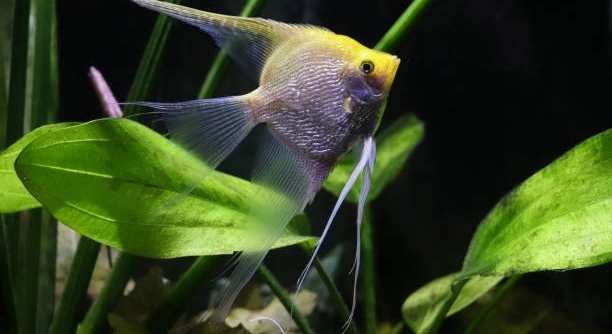
Is your angelfish suddenly turning away from food it once enjoyed, leaving you feeling confused and concerned about its health?
The most common reason an angelfish stops eating familiar food is stress. Environmental changes, illness, or poor water quality can disrupt their appetite and behavior, making them avoid even their favorite meals.
Understanding the reasons behind this behavior can help you make simple changes to improve your angelfish’s well-being and restore its appetite.
Stress From Environmental Changes
Angelfish can be very sensitive to changes in their tank environment. A sudden shift in water temperature, lighting, or even rearranging decorations can affect their mood and eating habits. They rely on stable surroundings to feel safe, and when something feels off, they may stop eating. This kind of stress is common after a recent water change, the addition of new fish, or if the tank is located in a noisy area. Even slight changes can trigger anxiety. It’s important to observe your tank’s conditions and note if anything has changed recently that could be bothering your angelfish.
Look for signs like hiding, darting, or staying near the bottom—these behaviors often go hand in hand with appetite loss.
To help your angelfish feel secure again, keep the environment calm and consistent. Maintain steady water conditions and reduce sudden changes. Give your fish time to adjust, and avoid unnecessary tank disruptions.
Illness or Internal Parasites
Loss of appetite can be one of the first signs your angelfish isn’t feeling well.
Diseases and internal parasites are common issues that affect angelfish, and they often lead to sudden changes in eating behavior. A sick angelfish may appear more lethargic, have faded colors, or show abnormal swimming. Internal parasites, in particular, can cause bloating or stringy white feces. Even if the fish looks fine externally, internal problems might still be developing. Medications for internal parasites are available, but it’s important to confirm symptoms before treating. Always check water quality first, as poor conditions can weaken the immune system and make fish more prone to illness. Quarantining a sick angelfish can prevent spreading disease to others in the tank. If you’re unsure, consider consulting a fish-savvy vet or reaching out to a local aquarium store with experience in tropical fish. Acting early can make a big difference in helping your angelfish recover and regain interest in food.
Poor Water Quality
Bad water conditions are one of the top reasons angelfish stop eating. If ammonia or nitrite levels rise, or if the pH swings, your fish may feel too stressed or sick to eat properly. Always test the water when feeding issues start.
Poor water quality affects how your angelfish feels day to day. Even if the water looks clear, toxins may be present. Regular water testing is important, especially after a missed water change or overfeeding. High ammonia and nitrite levels can burn gills, reduce oxygen levels, and cause appetite loss. A stable pH and clean water encourage healthy behavior. Use a reliable test kit and change about 25% of the tank water weekly. Clean filters as needed, but avoid removing all beneficial bacteria. Also, remove uneaten food quickly to prevent spikes in waste. A clean tank creates a comfortable space where your angelfish feels safe enough to eat again.
If your angelfish is ignoring food, don’t assume it’s being picky. It may be uncomfortable in its environment. Ammonia and nitrite should always be at zero. Nitrate should stay below 40 ppm. If water levels are off, make gradual changes. Sudden shifts can make things worse. Always condition tap water and match the tank’s temperature before refilling. Improving water quality often leads to improved appetite within a few days. Clean water supports your angelfish’s immune system, mood, and behavior. Watching how your fish acts after water changes can give clues about what’s helping or making things worse. Keep a routine to avoid future issues.
Overfeeding or Food Boredom
Feeding too often or giving too much food can actually lead to less eating. Leftover food dirties the tank and makes your angelfish lose interest. It can also spoil before being eaten, making it unappealing.
Angelfish enjoy variety, and offering the same food every day can lead to boredom. Even if they once loved a specific pellet or flake, they might stop responding after a while. Try rotating between different types of high-quality foods like frozen brine shrimp, bloodworms, or gel foods. These mimic natural feeding behavior and stimulate interest. Also, only feed what they can finish in two minutes. Overfeeding leads to waste buildup, which worsens water quality and affects appetite. Observe their behavior during feeding—if they ignore food right away or spit it out, it may be time to try something new. Skipping a day or two of feeding is also safe and can refresh their interest in meals.
Tank Mates Causing Stress
Aggressive or overly active tank mates can make angelfish feel threatened. If your fish is being chased or bullied, it may hide and refuse to eat. Watch for torn fins or shy behavior after adding new fish.
Even peaceful fish can stress angelfish if the tank feels crowded. Limited space and competition during feeding time may make them lose interest in eating. Keep tank mates compatible and provide plenty of hiding spaces to help your angelfish feel secure.
Breeding Behavior
During breeding, angelfish often stop eating as they focus on protecting eggs or claiming territory. You might notice one or both acting more territorial or guarding a specific spot. This behavior is normal and usually temporary. Once breeding activity calms down, their appetite usually returns on its own.
Aging or Natural Appetite Changes
Older angelfish sometimes eat less as their metabolism slows. This is a natural part of aging and not always a sign of illness. As long as they remain active and show no other signs of distress, a smaller appetite can be normal.
FAQ
Why is my angelfish staying at the bottom of the tank and not eating?
If your angelfish is staying at the bottom of the tank and not eating, there could be a few reasons. First, check the water quality. Poor water conditions can cause stress and make your fish feel unwell. High levels of ammonia, nitrites, or even an unstable temperature can affect their appetite and behavior. Another possibility is that the fish might be sick. Internal parasites or other illnesses can cause lethargy and loss of appetite. Lastly, stress from tank mates or changes in the environment could also be factors. If you notice other signs like faded color, rapid gill movement, or unusual swimming, it might be time to consult a vet or improve the water quality.
How can I tell if my angelfish is stressed?
Stressed angelfish often display specific behaviors. Common signs include hiding more than usual, excessive swimming near the tank’s bottom or top, or darting around nervously. If your fish is constantly moving away from other fish or staying in a corner, it may be stressed. Angelfish are also sensitive to water quality changes. If the fish’s fins are clamped close to their body, or they seem less active, these could also indicate stress. In some cases, a stressed fish may stop eating. The key is observing changes in their behavior, which can help pinpoint the stressor.
Can poor water quality make my angelfish lose its appetite?
Yes, poor water quality is a leading cause of appetite loss in angelfish. If ammonia, nitrite, or nitrate levels are high, your fish may feel stressed and unwell, causing them to avoid food. Angelfish are sensitive to water conditions, and even small fluctuations in pH or temperature can make them uneasy. Regular water testing is essential to avoid these issues. Keeping the tank clean and performing regular water changes can help maintain a healthy environment for your fish. If your angelfish isn’t eating and the water is poor, correcting this can often restore their appetite.
What should I do if my angelfish refuses to eat for more than a few days?
If your angelfish refuses to eat for more than a few days, start by checking the water quality. Poor conditions can make even healthy fish refuse food. If the water checks out, observe the fish for signs of illness, such as lethargy, strange swimming patterns, or visible symptoms like bloating or torn fins. It’s also important to evaluate their diet—try offering different types of food to see if they show interest in something new. If the situation doesn’t improve or worsens, you may need to consult with a vet to rule out disease or parasites.
Is it normal for angelfish to lose their appetite during breeding?
Yes, it is normal for angelfish to lose their appetite during breeding. When angelfish pair up and begin to spawn, they can become very focused on guarding their eggs or territory. During this time, their eating habits may decrease or even stop temporarily. The pair may spend all their time guarding the area where the eggs are laid, and both will often neglect food in favor of protecting their nest. After the eggs hatch or the breeding behavior subsides, they will usually return to their normal eating habits.
Can angelfish be picky eaters?
Angelfish can sometimes be picky eaters, especially if their diet has been too repetitive or limited. Offering the same food daily, such as only pellets or flakes, might lead to boredom or disinterest. They thrive on variety, so try rotating different types of food, such as live or frozen foods like brine shrimp, bloodworms, or daphnia. You can also offer them vegetables like blanched zucchini or spinach. Angelfish are naturally foragers and prefer a diverse diet, so adding variety can help stimulate their appetite.
What is the best way to get my angelfish to eat again?
The best way to get your angelfish to eat again depends on the cause of the issue. First, check the water quality and make sure it’s within the correct range for angelfish. Then, try offering a variety of foods, including live or frozen options, to see if they show interest in something new. If they’re not eating due to stress, try reducing any disturbances in the tank. Dim the lights or add more hiding spaces. If you suspect illness, isolate the affected fish and treat with appropriate medication. Sometimes, giving your angelfish some time to adjust to their environment or allowing them to rest can also help their appetite return.
Why is my angelfish eating but losing weight?
If your angelfish is eating but still losing weight, it could be a sign of an internal problem. Parasites, bacterial infections, or other illnesses can affect their digestion and nutrient absorption, even if they’re eating regularly. It’s also possible that they’re burning more calories than they’re consuming due to stress or overexertion. A weight loss issue, combined with a decreased appetite, should be addressed quickly. If no improvement is noticed after water quality is fixed and the fish is still eating, consider consulting a veterinarian for a proper diagnosis and treatment plan.
How often should I feed my angelfish?
Angelfish should be fed once or twice a day. Overfeeding is a common issue, so be mindful of portion sizes. Only provide enough food that the fish can consume in about 2-3 minutes. If leftover food remains, remove it promptly to avoid water quality problems. It’s also important to vary the diet, offering different foods throughout the week. This keeps your angelfish engaged and ensures they receive the necessary nutrients. Skipping a day occasionally is fine and can even help avoid overfeeding issues.
What could cause my angelfish to eat one type of food but not another?
If your angelfish is eating one type of food but ignoring another, it may simply be a matter of preference. Fish, like other animals, can develop preferences based on texture, taste, and smell. They may find certain types of food more appealing or easier to eat. If this happens, try switching up the food types, such as offering different brands, live foods, or frozen options. Sometimes, older food can lose its scent or freshness, so using freshly opened food might help too.
Final Thoughts
When an angelfish starts ignoring food it once loved, it can be frustrating and concerning. However, there are several factors that could be causing this behavior. The most common causes include stress from environmental changes, poor water quality, illness, or even tank mates. Stress, whether from a sudden change in the tank environment or aggressive behavior from other fish, can make your angelfish lose interest in food. In such cases, creating a stable, calm environment is essential to help your fish feel safe and comfortable. Monitoring water quality and ensuring it remains within the right parameters can also make a significant difference in your fish’s appetite.
If water conditions aren’t the issue, it’s important to consider the possibility of illness. Internal parasites or infections can make your angelfish feel unwell, leading to a lack of appetite. Keep an eye out for other symptoms, such as faded colors, unusual swimming patterns, or abnormal feces. If any of these signs are present, isolating the affected fish and seeking appropriate treatment will be crucial. Also, remember that breeding behavior can affect your angelfish’s eating habits. During the breeding period, fish are more focused on guarding their eggs than eating. This is usually a temporary phase, and once the breeding behavior calms down, the appetite should return to normal.
Finally, it’s important to recognize that sometimes, angelfish may simply become picky eaters. If they’ve been fed the same type of food for a long time, they may lose interest. Offering a variety of foods and ensuring they’re getting proper nutrition is a good way to keep their interest in meals. Overfeeding can also be an issue. While it’s tempting to provide large amounts of food, it’s best to give small portions they can consume in a few minutes. This helps avoid water quality problems and keeps the fish active and interested in feeding. By observing your fish and making adjustments to its environment and diet, you can address the reasons behind its appetite loss and help it regain a healthy eating routine.

Hello,
If you enjoy the content that we create, please consider saying a "Thank You!" by leaving a tip.
Every little bit helps us continue crafting quality advice that supports the health, happiness, and well-being of pets around the world, for pets of all shapes, sizes, and species.
We really appreciate the kindness and support that you show us!