
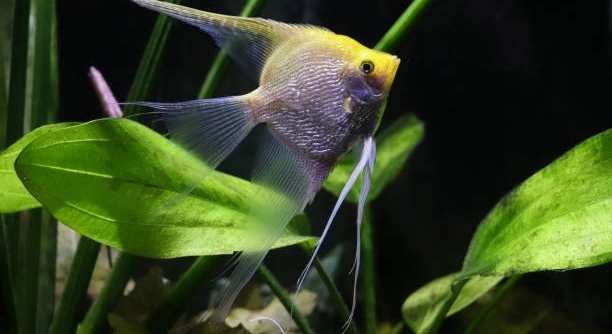
Angelfish are known for their fascinating behaviors, especially when it comes to caring for their eggs. If you’ve noticed your angelfish hovering over its eggs, you may be wondering why this happens. There are several possible reasons for this behavior.
The most likely reason your angelfish is hovering over its eggs is to protect and guard them. It may also be ensuring that the eggs receive enough oxygen and preventing other fish from eating them. Angelfish are attentive parents and can be very protective.
Understanding your angelfish’s behavior will help you support their care and create a healthy environment for them. Exploring the causes behind this action can provide valuable insights into how to best care for them.
Protecting the Eggs from Potential Threats
Angelfish are naturally protective of their eggs. In the wild, eggs face numerous dangers, from predators to environmental changes. Hovering over the eggs is a way for the female or male angelfish to guard them. If the eggs are in an aquarium with other fish, this behavior is particularly important. The hovering fish will often swim around the eggs, staying close and warding off any potential threats. This act of protection ensures that the eggs have the best chance of surviving and hatching into healthy fry.
The protective nature of angelfish is strong, as they can become aggressive if they sense any threat to their eggs.
In some cases, the angelfish may also be trying to keep other fish away from the eggs. If there are fish in the tank that might eat the eggs, the angelfish will not hesitate to chase them off. The protective behavior can sometimes extend to hiding the eggs in a safe location, making it harder for other fish to reach them. This shows just how invested angelfish are in the survival of their offspring. The guarding process can last for days, especially if the eggs are fertilized and developing.
Ensuring Proper Oxygen Supply
Angelfish will hover over their eggs to make sure they receive proper oxygenation. Oxygen is essential for the development of the eggs.
Hovering near the eggs allows the angelfish to constantly circulate water, ensuring a fresh flow of oxygen. As the eggs develop, this continuous movement helps in preventing the water around them from becoming stagnant. Without enough oxygen, the eggs can become unviable, which is why this behavior is so important for their survival. The angelfish’s attention to this detail demonstrates their care in raising their young.
Temperature Regulation
Angelfish will hover over their eggs to maintain the right temperature. Eggs require a stable and warm environment to properly develop.
By staying close, the angelfish help regulate the temperature around the eggs. This ensures that the eggs remain in the ideal range, typically between 75-80°F (24-27°C). The hovering fish often swim around the eggs or fan them with their fins to help maintain consistency. If the temperature fluctuates too much, it could harm the eggs and prevent successful hatching. This is why temperature regulation is one of the key factors in egg survival.
In some cases, if the water temperature drops too low, the angelfish may become more active in their hovering behavior. This ensures the water stays warm enough for the eggs to continue developing. If the aquarium is too cold, the angelfish might even move their eggs to a different spot that provides a better temperature.
Reassurance of Fertility
Another reason angelfish hover over their eggs is to reassure themselves of their fertility. The process of fertilization is crucial for egg development.
When the female angelfish lays eggs, the male fertilizes them immediately after. Hovering gives the angelfish the chance to monitor the condition of the eggs. If the eggs have been fertilized correctly, they will appear healthy and viable. The angelfish may repeatedly check them by nudging and carefully inspecting each one. This behavior is natural, as the fish are instinctively trying to ensure that their eggs will successfully hatch. By staying close, they can also protect the eggs from other fish that might disrupt the fertilization process.
This attention to detail gives the angelfish the best chance of raising healthy fry. Even if the fertilization isn’t perfect, their constant vigilance can help minimize potential risks to the eggs.
Preventing Eggs from Being Eaten
Angelfish may hover over their eggs to prevent other fish from eating them. Many fish species are opportunistic feeders and might consume the eggs if left unguarded.
The angelfish will aggressively chase off any intruders, including other fish, in an effort to protect the eggs. This protective behavior ensures the eggs aren’t eaten before they have a chance to hatch. If other tankmates are a threat, the angelfish will become more territorial, guarding the area fiercely.
Ensuring Proper Water Quality
Water quality is another concern for angelfish when hovering over their eggs. They need clean water to keep the eggs healthy.
Angelfish will instinctively ensure the area around the eggs is well-oxygenated and free of debris. This helps maintain optimal conditions for the developing eggs, reducing the risk of fungal infections or decay. Poor water quality can lead to egg mortality, which is why the angelfish stay close to make sure the eggs are in the best environment.
Bonding with the Eggs
Angelfish also hover over their eggs as a form of bonding. Staying close to the eggs helps reinforce the parent-child connection.
By remaining near the eggs, the angelfish exhibit nurturing behavior. This strengthens the bond between the parents and the offspring, which is crucial for the survival of the fry once they hatch. The parental care ensures that the young are raised in the safest environment possible.
FAQ
Why do angelfish hover over their eggs?
Angelfish hover over their eggs to protect them from threats, maintain the right temperature, and ensure proper oxygen levels. This behavior helps ensure the eggs are well taken care of, giving them the best chance to hatch successfully. It’s a sign of parental care, with the fish staying close to their eggs to guard and regulate their environment.
Can angelfish eat their eggs?
Yes, angelfish can sometimes eat their own eggs, especially if they sense that the eggs are not viable. This can happen if the eggs are infertile or if the water quality is poor. The angelfish may eat the eggs as a way to preserve energy rather than letting them go to waste. However, most of the time, they will protect their eggs to ensure the survival of the next generation.
How long do angelfish stay with their eggs?
Angelfish typically stay with their eggs until they hatch, which can take anywhere from 2 to 5 days, depending on water temperature. The male and female angelfish will take turns guarding the eggs, making sure no other fish or contaminants affect them. After the eggs hatch, the parents may continue to protect the fry for a short time, guiding them to safety and feeding them.
What happens if I disturb the angelfish while they’re guarding their eggs?
If you disturb the angelfish while they are guarding their eggs, they may become stressed and could either abandon the eggs or eat them. Angelfish are sensitive to threats during this time, so it’s best to minimize any interference. If the tank setup is disturbed, the fish may also become more aggressive towards other tankmates.
Can other fish lay eggs that look like angelfish eggs?
Yes, some fish species, such as gouramis and discus fish, can lay eggs that may resemble angelfish eggs. However, the size and appearance of the eggs can vary slightly between species. Angelfish eggs are typically small and clear or light-colored with a slightly sticky surface that allows them to attach to surfaces. It is important to know the specific characteristics of angelfish eggs to avoid confusion.
Should I remove the eggs from the tank?
Removing the eggs from the tank is not recommended unless you are breeding angelfish in a controlled environment. In most cases, it’s best to let the angelfish parent protect and care for their eggs. If you must remove them due to water quality issues or potential threats, ensure you have a separate breeding tank with proper filtration and water conditions.
Why are my angelfish eggs turning white?
If your angelfish eggs are turning white, it is often a sign of fungal infection or that they are infertile. In some cases, eggs may also turn white if the water quality is poor or if the parents did not properly fertilize them. It’s important to remove infected eggs promptly to prevent the spread of fungus to healthy eggs.
How can I tell if my angelfish eggs are fertilized?
Fertilized angelfish eggs are typically clear or light-colored, and they will have a firm, slightly sticky texture. Unfertilized eggs often turn white or cloudy and may begin to deteriorate after a few days. If the eggs are developing properly, you may notice the embryos inside the eggs begin to show signs of life, such as slight movement.
How do I care for angelfish eggs in a community tank?
Caring for angelfish eggs in a community tank requires extra attention. If you have other fish that could potentially eat the eggs, it’s important to provide plenty of hiding spots or separate the angelfish in a breeding tank. You can also increase the chances of survival by maintaining high water quality and keeping the tank calm, as stress can negatively affect egg development.
Can angelfish eat their fry?
Yes, angelfish may eat their fry if they are not properly protected or if they feel stressed. However, many angelfish will care for their fry, guiding them to food and keeping them safe from other fish. To prevent this from happening, ensure that the tank is calm and the parents feel secure in their environment.
What should I do if the angelfish are not fertilizing the eggs?
If your angelfish are not fertilizing the eggs, there may be a number of reasons. The water temperature might be too low, or the parents may not be fully mature. Ensuring that the tank conditions are optimal, including temperature and water quality, can help improve the chances of successful fertilization. You may also want to observe the behavior of the fish to ensure the male and female are properly bonding.
How can I prevent my angelfish from eating their eggs?
To prevent angelfish from eating their eggs, avoid stressing them during the egg-laying period. Keep the tank peaceful by minimizing disturbances and making sure other fish are not a threat. In some cases, separating the angelfish into a breeding tank can help them focus on protecting the eggs instead of consuming them.
Final Thoughts
Angelfish are highly attentive parents and their behavior, especially when hovering over their eggs, is a key part of their natural instinct to protect and nurture their offspring. They stay close to ensure the eggs are safe, maintain the right temperature, and provide proper oxygenation. This hovering behavior can last for several days, depending on the stage of the eggs, as the parents are committed to ensuring the survival of their young. Understanding why angelfish act this way helps us appreciate the effort they put into raising their fry.
While watching angelfish hover over their eggs, it’s important to remember that they are doing everything they can to provide the best conditions for their offspring. Protecting the eggs from predators, ensuring proper water quality, and keeping a steady temperature are just a few of the actions that angelfish take instinctively. It’s a delicate balance between their natural environment and their desire to protect their eggs from harm. By observing this behavior, aquarium owners can learn more about how to create a better environment for their fish to thrive.
Taking care of angelfish eggs can be tricky in a community tank, but it is possible with the right setup. If you want to increase the chances of successful egg hatching, providing a safe and stress-free environment is key. If necessary, consider moving the eggs to a separate tank or isolating the angelfish until the eggs hatch. Ensuring optimal water quality, the right temperature, and minimal tank disturbances will give your angelfish the best chance to raise healthy fry. Whether you choose to leave them in the main tank or create a more controlled space for breeding, the essential goal is to provide a supportive and protective atmosphere for the eggs.

Hello,
If you enjoy the content that we create, please consider saying a "Thank You!" by leaving a tip.
Every little bit helps us continue crafting quality advice that supports the health, happiness, and well-being of pets around the world, for pets of all shapes, sizes, and species.
We really appreciate the kindness and support that you show us!