
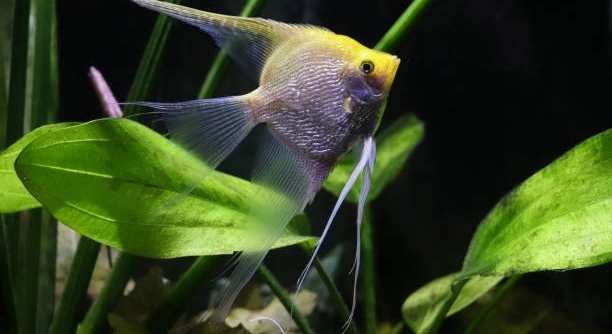
Angelfish are fascinating creatures, and their behavior can be intriguing to watch, especially when they hover over their eggs. Understanding why this occurs can help you provide better care for them and ensure their well-being.
When an angelfish hovers over its eggs, it is typically in a protective or nurturing role. This behavior often indicates that the fish is guarding its eggs, either to protect them from potential threats or to regulate the conditions around them.
The following sections will explore various reasons behind this behavior and provide insight into what may be happening in your aquarium.
Protective Behavior
When angelfish hover over their eggs, they are often demonstrating protective behavior. It is common for fish to guard their eggs to prevent other fish or predators from eating them. This is especially true in aquariums where fish may see the eggs as vulnerable. The hovering indicates that the angelfish is staying close to ensure the safety of the eggs. They may become more aggressive if they feel threatened by other fish or creatures nearby. Angelfish can be particularly territorial during the spawning process, and hovering allows them to stay vigilant and control their environment.
While hovering, angelfish may also adjust the temperature or water flow near the eggs. This is essential for the healthy development of the embryos. The male and female angelfish may take turns guarding the eggs, ensuring that they remain in the optimal conditions. Their protective nature makes them dedicated parents, and this behavior is crucial to the survival of their offspring.
Eggs need stability, and angelfish recognize the importance of maintaining a secure environment around them. This behavior ensures their young have the best chance to survive.
Instinctual Parental Care
In many species of fish, parental care is driven by instinct. Angelfish are no different, and their natural instinct to protect their eggs is strong. Even in a home aquarium, they will exhibit these behaviors without any external influence. Their instinct helps ensure the survival of their species.
Guarding Against Threats
Angelfish are highly territorial when they have eggs. Their hovering behavior may be a response to perceived threats from other fish or even tank mates. They instinctively recognize when something could harm their eggs and will act to protect them. This vigilance is an important aspect of their parenting strategy.
When angelfish hover over their eggs, they position themselves in such a way that they can chase off or deter any potential threats. If they sense danger, they may even become more aggressive. Their primary concern is the safety of their offspring, and they will do whatever is necessary to prevent harm.
This protective behavior extends to the tank’s environment as well. Angelfish may actively swim around to ward off any fish that come too close, making sure that no one gets too close to their vulnerable eggs. This level of commitment to their offspring is a natural part of their reproductive process.
Water Quality and Temperature Control
The quality of water is a key factor in an angelfish’s egg care. They often hover to ensure the eggs are in the best possible conditions. Angelfish are known to adjust the water flow and sometimes even fan the eggs with their fins to maintain oxygen levels. The hovering is not only a protective act but also a way to regulate their environment.
In many cases, angelfish will position themselves directly above the eggs, constantly checking and controlling the water around them. This ensures that the temperature remains within the ideal range for the eggs to develop properly. Keeping the water clean and the temperature stable is vital for egg survival, and hovering provides a way for angelfish to regulate these elements.
By staying close to their eggs, angelfish can quickly detect any changes in the water that might negatively impact the development of their young. Their hovering behavior becomes part of the care process, helping ensure their offspring’s survival in the changing environment of the aquarium.
Male and Female Roles
Angelfish pairs often share the responsibility of guarding the eggs. Typically, the female lays the eggs, and the male fertilizes them. Both parents usually take turns hovering over the eggs to protect them. Their shared role ensures both protection and the maintenance of ideal conditions for the eggs.
In some cases, the male may guard the eggs more aggressively while the female focuses on other tasks. This division of labor allows the pair to maintain a balanced approach to parenting. Regardless of their individual roles, both parents remain vigilant during this critical time for their eggs’ development.
Cleaning and Maintaining the Eggs
Angelfish often hover to keep their eggs clean and free from fungus or debris. The parents will gently fan the eggs with their fins, circulating water and preventing harmful bacteria from settling. This act of cleaning ensures that the eggs remain healthy and protected from potential infections.
Fanning the eggs helps with oxygenating the eggs as well, keeping them well-oxygenated and developing properly. This is an important behavior because stagnant water around the eggs could hinder their growth. Angelfish will frequently inspect and clean the surface where the eggs are attached to, keeping it as hygienic as possible.
Adjusting to Environmental Changes
Angelfish are highly sensitive to changes in their environment, and hovering allows them to quickly respond to these changes. Whether it’s fluctuations in water temperature or pH, angelfish can detect when something is off. Hovering helps them stay alert to potential stressors that might affect the health of their eggs.
By staying close to the eggs, the angelfish can adjust their position to maintain optimal conditions. If any sudden changes occur, they are quick to react and protect the eggs from these environmental shifts. Their hovering behavior is an essential way of ensuring their eggs thrive in an often unpredictable aquarium environment.
FAQ
Why does my angelfish keep hovering over its eggs?
Angelfish hover over their eggs to protect them from threats and ensure the proper conditions for hatching. They often position themselves directly above the eggs to guard them and maintain an ideal environment. This behavior is instinctive and part of their parental care. Hovering also helps them regulate the water flow and temperature, which is crucial for the eggs’ development.
Can hovering indicate stress in angelfish?
While hovering can be a sign of protective behavior, it can also indicate stress. If the angelfish feel threatened by other fish, changes in water conditions, or environmental stressors, they may hover more intensely to keep their eggs safe. However, if the hovering behavior is excessive and accompanied by signs of aggression or unusual movement, it could suggest the angelfish are stressed and need a calmer environment.
Is it normal for angelfish to take turns guarding their eggs?
Yes, it is normal for angelfish to take turns guarding their eggs. In most cases, the male and female both play a role in protecting the eggs. They will alternate hovering over the eggs, allowing each other to rest while still keeping a watchful eye on potential threats. This division of labor ensures the eggs are consistently protected.
Should I remove other fish from the tank when angelfish are guarding their eggs?
It’s a good idea to separate other fish from the tank if possible. Angelfish can become very territorial when they are guarding eggs, and other fish might pose a threat to the eggs or stress the parents. If removing other fish isn’t an option, try to create safe spaces for the angelfish to reduce any conflict. Keeping the tank’s inhabitants to a minimum during the spawning period helps minimize stress.
How can I tell if my angelfish are ready to breed?
Angelfish usually show signs of readiness to breed when they become more territorial and start cleaning a flat surface. They will pick a location, such as a leaf or the side of a tank, and begin to prepare it by fanning it with their fins. The female will start to lay eggs, and the male will fertilize them. Watch for this cleaning and the pair’s increased interaction. If they are eating well and have stable water conditions, it’s a good sign they are preparing to breed.
Do angelfish protect their eggs from each other?
Yes, angelfish will protect their eggs from each other, as well as from other fish. If there are multiple angelfish in the tank, they can be very territorial, and the guarding pair will chase away any intruders. This behavior helps ensure that only the parents have access to the eggs, preventing other fish from eating them or disturbing the nest.
How long do angelfish stay with their eggs?
Angelfish typically guard their eggs for about 4 to 7 days. During this period, the eggs will undergo development and eventually hatch into fry. Once the eggs hatch, the parents will continue to protect the fry, although their hovering behavior will gradually decrease as the fry become more independent. The parents might stay nearby, ensuring the fry are safe and properly fed until they are capable of swimming on their own.
Why are my angelfish not fertilizing the eggs?
If the angelfish are not fertilizing the eggs, it could be due to a variety of factors. One common issue is that the pair may not be fully compatible or are inexperienced at breeding. Inexperienced pairs may fail to fertilize the eggs properly. Another factor could be water quality—poor water conditions can hinder the fertilization process. Finally, if the temperature or pH level is off, it can affect the fertilization process. Ensuring stable water conditions and giving the fish time to adjust can help improve the chances of successful fertilization.
What should I do if my angelfish eggs are turning white?
White eggs are often a sign of infertility or infection. If your angelfish eggs turn white, it could indicate that they were not fertilized properly or are affected by a fungal infection. You can try removing the white eggs to prevent the spread of infection to the healthy eggs. Some aquarium owners treat the eggs with antifungal solutions, while others prefer to let nature take its course. If you’re unsure, it may be a good idea to monitor the tank’s water conditions to ensure they are optimal.
How can I help my angelfish fry survive?
To help angelfish fry survive, it’s important to maintain optimal water quality and provide a suitable environment for them to grow. Keep the water temperature stable, and ensure the water is clean and free from harmful toxins. It’s best to offer small, soft foods like baby brine shrimp or specially formulated fry food. Once the fry begin swimming, make sure they have enough space to grow without being overcrowded. Keeping the tank calm and stable helps the fry thrive.
Can angelfish eat their own eggs?
Yes, angelfish may eat their own eggs if they are not properly cared for. If the eggs become damaged or infected, the parents might consume them to prevent the spread of infection. In some cases, inexperienced or stressed angelfish may eat their eggs out of confusion or lack of experience. If this happens, try to maintain a calm environment and check for any signs of stress or illness in the parents.
Final Thoughts
Understanding why angelfish hover over their eggs is important for anyone who keeps them as pets. Hovering is a natural behavior that shows the parents’ care and instinct to protect their eggs. It helps to maintain optimal conditions like water flow and temperature, which are essential for the development of the eggs. Both male and female angelfish play an active role in guarding the eggs, ensuring they stay safe from potential threats. This behavior is crucial for the survival of the eggs, and observing it can give you insight into the well-being of your angelfish.
If you’re new to breeding angelfish, it’s important to create an environment that supports their natural behaviors. Keeping the tank clean, maintaining stable water conditions, and reducing stress from other fish will help ensure the parents can focus on their duties. If you notice signs of stress or aggression, try to identify the cause, such as overcrowding or tankmates that might be too aggressive. Making small adjustments to the tank can improve the situation and increase the chances of successful egg development. Remember, breeding angelfish can take time, and patience is key in allowing the fish to adapt to their roles as parents.
Lastly, while hovering is a positive sign of parental care, it can sometimes indicate stress or problems with the eggs. If the eggs are turning white or show signs of infection, it’s important to remove them quickly to prevent the spread of issues. Monitoring the parents and the eggs closely will help you identify any problems early on. With the right care, your angelfish can successfully raise their fry. By respecting their natural instincts and ensuring a safe, stress-free environment, you’ll be on your way to watching your angelfish thrive and grow.

Hello,
If you enjoy the content that we create, please consider saying a "Thank You!" by leaving a tip.
Every little bit helps us continue crafting quality advice that supports the health, happiness, and well-being of pets around the world, for pets of all shapes, sizes, and species.
We really appreciate the kindness and support that you show us!