
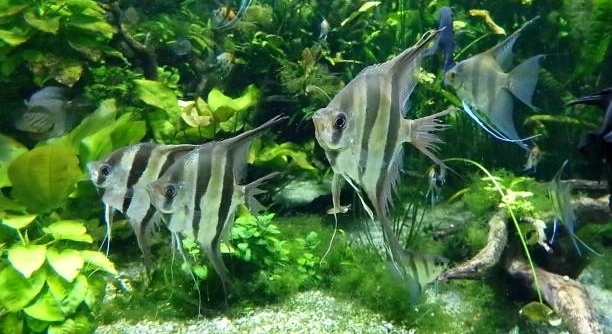
Is your angelfish spending a lot of time next to the heater, and you’re not sure if it’s normal or something to worry about?
Angelfish often hover near the heater due to temperature preferences, illness, stress, or even a lack of oxygen in the tank. Understanding the root cause involves observing their behavior, checking water conditions, and ruling out possible environmental or health issues.
Knowing what might be influencing this behavior can help you make simple changes and improve your angelfish’s comfort and health in the tank.
Your Angelfish Might Be Seeking Warmth
Angelfish are tropical fish that thrive in warm water, typically between 76°F and 82°F. If the rest of the tank is cooler than this range, your angelfish might be sticking close to the heater for comfort. This behavior can be a sign that the tank’s temperature is uneven or that the heater isn’t properly circulating warmth throughout the aquarium. Cold water can slow down their metabolism and cause stress. When fish gather near the heater, it may mean the surrounding areas of the tank feel too cold for them. Using a reliable thermometer and checking for drafts around the tank can help keep conditions steady. A small water circulation pump can also help spread heat evenly. When temperatures are stable, angelfish are usually more active and balanced in their swimming habits.
A heater that works well but doesn’t distribute heat evenly can still make your fish uncomfortable. Keep an eye on that.
If you’ve ruled out equipment issues and your angelfish is still hovering by the heater, consider their comfort zone. Some fish are just more sensitive to temperature fluctuations than others. They might naturally prefer being closer to the warmest part of the tank. While this isn’t always a problem, it can sometimes mask a bigger issue like early signs of illness or stress. Try adjusting the heater’s location or adding a gentle water movement device to spread warmth better. Make sure other fish aren’t bullying your angelfish away from the more comfortable spots. Fish behavior often shifts when they feel unsafe or unwell. Observing any changes in appetite, color, or energy levels can give you more clues. A calm, evenly heated tank usually leads to happier fish.
Poor Water Quality Could Be to Blame
Unclean water can make your angelfish uncomfortable and push them toward the heater as a place to hide or rest.
When ammonia, nitrites, or nitrates rise, fish often show signs of distress. Hovering near the heater may be a coping response. Regular water testing is important, especially if you notice strange behavior. Changing 25–30% of the water weekly helps maintain safe conditions. Uneaten food, waste buildup, and a clogged filter can all impact water quality quickly. Even a well-maintained tank can experience spikes after feeding or after adding new fish. The heater area can feel like a stable, quiet corner in such times. Angelfish might choose it to escape from stronger water flow or fluctuating chemistry in other parts of the tank. It’s also a warmer spot where they may try to recover from stress or mild illness. Cleaning the substrate, rinsing the filter media gently, and keeping a consistent maintenance routine can help avoid these spikes and improve overall fish health.
Low Oxygen Levels Can Be a Factor
When oxygen is low in the tank, fish often move toward areas with better flow, like near a heater if it’s close to the filter or bubbling surface. Poor aeration makes it harder for them to breathe comfortably.
Oxygen levels can drop for many reasons—overstocking, poor circulation, or even high water temperatures. Warm water holds less oxygen, and if your heater is raising the temperature too much, that can actually make it worse. Angelfish tend to seek out spots where the oxygen feels better, which might explain why they’re hanging around the heater. Adding an air stone or adjusting the filter’s flow can help. It’s also good to avoid overfeeding, since leftover food can decompose and reduce oxygen further. Watch your fish’s gill movement—if they’re breathing fast or staying near the surface, it’s time to check oxygen levels right away.
You can also improve oxygen levels by doing regular partial water changes and making sure your tank isn’t overcrowded. If you’ve recently added new fish or plants, it might be affecting how well the tank breathes. Check to see if your filter output is creating enough surface movement. A calm surface may look nice, but it often means less oxygen exchange. When everything is balanced, your angelfish should start swimming more freely and spend less time pressed against the heater.
Illness or Discomfort Could Be the Cause
Angelfish sometimes isolate themselves or hover near equipment when they’re not feeling well. The warmth near the heater can be soothing, especially if they’re battling an infection or recovering from stress.
Watch for symptoms like clamped fins, loss of color, poor appetite, or white spots on their body. These are signs something might be wrong. Illness in fish often shows up subtly at first, with behavior changes like staying in one corner, avoiding other fish, or swimming oddly. Hovering by the heater could be your angelfish’s way of seeking relief. Warmer temperatures can sometimes help with mild issues, but not always. It’s best to observe closely and act quickly if you suspect something isn’t right. Use a quarantine tank if needed, and consult a fish health guide to match the symptoms to possible causes. Acting early often makes treatment easier and prevents the spread of disease to other tankmates.
Stress From Tankmates or Environment
Aggressive or overly active tankmates can make your angelfish feel threatened. When stressed, they may hide or stay near the heater where it feels safer and more predictable.
Bright lighting, loud noises, or constant movement outside the tank can also cause stress. A calm environment helps angelfish feel more secure.
The Heater Itself May Be Too Warm
Sometimes the heater is set too high or malfunctions, making the water near it unusually warm. Angelfish might hover there if they’re cold, but if they stay too close, it can also mean they’re overheating. Use a separate thermometer to double-check the water temperature near the heater. Make sure it matches the rest of the tank. If the difference is too big, consider adjusting the heater’s placement or upgrading to one with better controls. Overheating can lead to long-term health problems for your fish. Even if they seem okay now, prolonged exposure to too much heat may cause them to become sluggish or stressed later.
Angelfish Have Individual Preferences
Some angelfish simply enjoy the warmth or comfort of one specific spot. As long as the tank conditions are stable and they seem healthy, this behavior isn’t always a problem.
FAQ
Is it normal for angelfish to stay near the heater all day?
No, it’s not typical behavior. If your angelfish is hovering near the heater for most of the day, it usually means something in the tank is off. It could be uneven water temperatures, poor water quality, or a sign of stress or illness. Healthy angelfish should explore different parts of the tank, not stay in one spot. You’ll want to check water parameters, heater accuracy, and the behavior of tankmates to figure out what’s causing it.
What temperature should my angelfish tank be?
The ideal range for angelfish is 76°F to 82°F. Most keepers find that around 78°F is a comfortable middle ground. Water that’s too cold can slow them down, while water that’s too hot can lower oxygen levels and stress them out. Use a reliable aquarium thermometer to monitor the temperature. Also, avoid big temperature swings, especially during water changes, since angelfish are sensitive to sudden changes in their environment.
Can a faulty heater cause angelfish problems?
Yes. A heater that doesn’t regulate properly can overheat the tank or create hot spots. This can stress your angelfish and even burn them if they get too close. If the heater is turning on and off at odd intervals, or if different areas of the tank feel warmer than others, it’s worth testing it or replacing it. Heaters should be checked regularly, especially in cooler months when they’re working harder. A backup thermometer is a simple tool that can help spot heater problems early.
Why is only one of my angelfish staying near the heater?
If just one fish is showing this behavior, it might be sick, stressed, or being bullied. Isolated behavior is often a first sign of trouble. Check for any signs of injury, clamped fins, or odd swimming. Also, watch how the other fish behave—are they chasing it away from certain parts of the tank? Territorial fish or aggressive tankmates can make one fish feel unsafe, causing it to retreat to quieter spots like near the heater. A hospital tank might be helpful if you’re worried.
Can low oxygen really make angelfish go near the heater?
It can. Areas near the heater often have slightly more movement, especially if it’s near a filter or bubbler. Low oxygen makes fish breathe faster and act sluggish. They’ll move toward spots where breathing feels easier. If they’re also gasping at the surface, it’s a strong sign oxygen levels are too low. You can fix this by increasing surface movement, adding an air stone, or adjusting the filter. Keeping plants trimmed and the tank clean also helps oxygen stay at healthy levels.
How can I tell if it’s just a personal habit or a real issue?
Watch for other signs. If your angelfish eats well, has normal color, and swims actively at times, it might just like that warm spot. But if it’s always hiding, avoiding food, or looking dull, it’s worth investigating more. Healthy angelfish sometimes have favorite corners, but they shouldn’t act fearful or sluggish all the time. Track changes over a few days to be sure. If things worsen or stay the same, it’s time to test the water and check all equipment.
Should I move the heater to fix the problem?
Not always. If the rest of the tank feels cold, moving the heater won’t help unless you also improve water circulation. Instead, try adding a second heater on the opposite side or a small circulation pump to help spread heat. Heaters should be placed where water moves past them, like near the filter intake or output. This helps distribute warmth and prevent cold spots. Only move the heater if you’re sure it’s causing uneven heat, and always double-check with a thermometer afterward.
Final Thoughts
Angelfish hovering near the heater is a behavior that shouldn’t be ignored. While it might seem harmless at first, it can be a signal that something in the tank isn’t right. Temperature, water quality, oxygen levels, and even stress can all play a role. Paying attention to small changes like this helps you spot bigger problems early. It’s important to observe how often this happens, how long it lasts, and whether your angelfish shows other signs like poor appetite or clamped fins. These details matter when figuring out if your fish is simply enjoying a warm spot or responding to discomfort.
Creating a stable tank environment is one of the best things you can do for your angelfish. That means using a reliable heater, keeping water clean, checking parameters regularly, and making sure tankmates get along. Even something small, like uneven lighting or sudden noise, can affect how safe and calm your angelfish feels. If you notice them sticking close to the heater too often, it’s worth going through a checklist of conditions in the tank. A few simple changes, like adjusting water flow or adding an air stone, can improve their comfort and encourage more natural movement around the tank.
Not every case of heater-hugging means something serious, but it’s always better to check and be sure. Fish communicate a lot through their behavior, and angelfish are no exception. If you take the time to understand what’s behind their actions, you’ll be able to catch problems early and respond in a way that keeps them safe and healthy. Observing your fish regularly, keeping your equipment in good shape, and maintaining a peaceful environment all help reduce stress. In the end, small habits in daily care make a big difference in how your angelfish thrive. A calm, balanced tank leads to active, confident fish that explore their space instead of hiding away.

Hello,
If you enjoy the content that we create, please consider saying a "Thank You!" by leaving a tip.
Every little bit helps us continue crafting quality advice that supports the health, happiness, and well-being of pets around the world, for pets of all shapes, sizes, and species.
We really appreciate the kindness and support that you show us!