
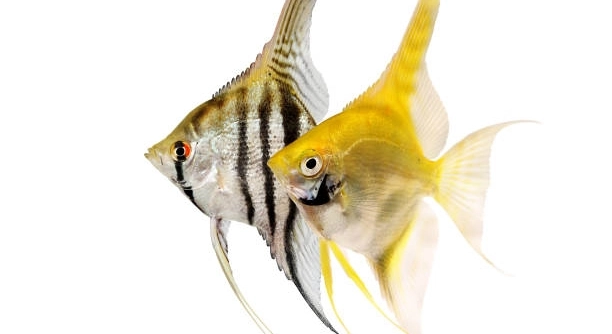
Angelfish are known for their peaceful nature and vibrant colors, but sometimes they can behave differently. If you notice your angelfish hiding more than usual, it may be a sign of an underlying issue.
There are several possible reasons why your angelfish might be hiding. It could be due to stress from changes in the environment, illness, or issues with tank mates. Other factors like water quality or breeding behavior might also contribute to this behavior.
Identifying the cause of your angelfish’s hiding will help you address the issue effectively and restore balance to your tank environment.
Stress from Tank Changes
Angelfish are sensitive to changes in their environment, and even small adjustments can cause them stress. If you recently moved their tank, altered the water temperature, or added new equipment, they may be hiding to seek comfort. Stress can also result from sudden loud noises, vibrations, or disturbances outside the tank. When angelfish feel threatened or uncomfortable, they often retreat to a quiet spot.
These factors disrupt their peaceful nature, prompting them to take refuge in darker corners or behind objects. If you suspect stress, monitor the tank for further signs of distress, such as erratic swimming or loss of appetite. Addressing environmental changes and minimizing disturbances can help calm them down.
It’s important to be mindful of the tank’s stability. Once the environment returns to a more stable condition, your angelfish will likely regain confidence and resume more active behavior.
Illness or Injury
If your angelfish is sick or injured, hiding may be a response to pain or discomfort. Illness often causes fish to seek out secluded spots, where they feel safer and less exposed.
Common signs of illness in angelfish include discoloration, reduced appetite, or abnormal swimming patterns. Any of these symptoms paired with hiding should prompt a closer look at their health. If you notice any of these signs, isolating the sick fish may prevent the spread of potential diseases. Regular water changes and maintaining good water quality are essential in preventing illness.
In some cases, fish may hide to heal from injuries, such as those caused by aggression from other tank mates or accidental bumps. Addressing these issues promptly will help ensure your angelfish recovers and returns to its usual behavior.
Tank Mates and Aggression
Angelfish are peaceful by nature but can become stressed if they feel threatened by tank mates. Larger or more aggressive fish may bully them, causing them to hide more often. This behavior is a natural reaction to avoid conflict and protect themselves.
If there’s tension in the tank, it may be best to observe the interactions between the fish. Aggressive species like cichlids, or even fast-moving fish, can intimidate angelfish, leading them to seek cover. In this case, separating the aggressive fish from the angelfish can help reduce stress and restore harmony.
Sometimes, angelfish will hide if they feel overwhelmed by the presence of other fish. Ensuring that all tank mates are compatible and not overcrowded can minimize this behavior. Giving angelfish enough space and hiding spots can help them feel safe again.
Poor Water Quality
Poor water quality is one of the leading causes of stress in fish, including angelfish. If your angelfish is hiding more than usual, the water parameters could be off, affecting their behavior and health. This includes factors such as pH, ammonia, nitrite, and nitrate levels.
Routine water tests are essential for keeping water quality in check. High levels of ammonia or nitrites, in particular, can be toxic to fish and may lead them to retreat and hide. Frequent water changes and proper filtration can help maintain a stable and healthy environment for your fish.
Ensure that you’re cleaning the tank and monitoring water quality regularly. Keeping the water clean not only prevents illness but also encourages your angelfish to feel comfortable and less inclined to hide. Healthy water conditions are crucial for their overall well-being.
Breeding Behavior
Angelfish sometimes hide when they’re ready to breed. If they’re pairing up, they may seek a secluded area of the tank to protect their space. This is a natural instinct for them, as they want privacy for their eggs.
During this period, their hiding behavior may increase. They can become more territorial and defensive, particularly when they’re preparing to spawn. If your angelfish is hiding more, it could be a sign that breeding behavior is taking place, and they just need some peace and quiet.
If you notice other signs of breeding, like cleaning surfaces or chasing one another, it’s likely that your angelfish is in the process of laying eggs or guarding them.
Water Temperature
Angelfish are sensitive to temperature fluctuations. If the water in their tank is too cold or too hot, they may hide to conserve energy or avoid stress. Maintaining a stable water temperature is key to keeping them healthy.
Angelfish thrive in water temperatures between 75°F and 82°F. Anything outside this range can cause them to seek shelter or become lethargic. A sudden change in temperature, especially from an air conditioner or heater malfunction, could be the reason your angelfish is hiding.
Using a reliable aquarium heater and thermometer will help maintain the proper temperature, reducing the chances of this behavior.
Overcrowding
When there are too many fish in a tank, it can create stress for everyone, including angelfish. Overcrowding leads to competition for space and resources, and your angelfish may retreat to avoid this.
If the tank feels crowded, angelfish may hide more often as they try to avoid interaction with other fish. Providing enough space and hiding spots is crucial. It’s important to follow recommended stocking guidelines for the size of your tank to ensure your angelfish and other fish have enough room to thrive.
FAQ
Why is my angelfish hiding more than usual?
Angelfish may hide more due to stress, illness, aggression from tank mates, poor water quality, or even breeding behavior. These fish are sensitive to environmental changes, so if the tank conditions have shifted, such as fluctuations in temperature, water quality, or the introduction of new fish, they may seek refuge. Stress from aggression can also cause them to hide, as can certain illnesses or injuries. Observing the water quality and tank dynamics is key to determining why your angelfish is hiding more often.
Can angelfish hide when they are stressed?
Yes, stress is a common reason for angelfish to hide. Stress can be caused by various factors, including poor water quality, changes in the environment, or aggressive tank mates. When angelfish feel stressed, they may seek shelter in corners or behind decorations to feel safe and avoid potential threats. It’s important to maintain stable water conditions and ensure the tank mates are compatible to reduce stress.
How can I tell if my angelfish is sick?
A sick angelfish may exhibit several signs, including hiding more than usual, loss of appetite, changes in swimming patterns, or visible symptoms such as discoloration or lesions. If your fish is sluggish, swimming erratically, or avoiding food, it’s a good indication that something is wrong. Early detection is essential, so observing their behavior closely can help you act quickly if needed. Consider isolating the sick fish in a quarantine tank to prevent the spread of illness.
What should I do if my angelfish is hiding a lot?
If your angelfish is hiding more than usual, first check the water quality. Ensure that the temperature, pH, and levels of ammonia, nitrites, and nitrates are within a safe range. If everything seems fine, evaluate the tank’s environment for stressors like loud noises, aggressive tank mates, or overcrowding. If illness is suspected, quarantine the affected fish and treat accordingly. Offering hiding spots can also provide a sense of security and reduce hiding behavior if the fish feels too exposed.
Can temperature fluctuations make my angelfish hide?
Yes, angelfish are sensitive to temperature changes. If the water temperature fluctuates too much or falls outside their preferred range of 75°F to 82°F, they may hide. Angelfish hide to conserve energy or avoid discomfort caused by extreme temperatures. Ensure your aquarium heater is functioning properly and maintain a stable temperature to keep your fish healthy and active. If there are any sudden changes, such as from a heater malfunction or room temperature fluctuations, it’s a good idea to monitor their behavior closely.
Do angelfish hide when they are about to breed?
Angelfish can hide more often when they’re preparing to breed. During this time, they may seek secluded areas to protect their eggs and create a safe environment for the process. This behavior is common as they become more territorial and focused on reproducing. If your angelfish is hiding and you notice other signs of breeding, such as cleaning surfaces or chasing each other, they are likely in the breeding phase. It’s a natural part of their behavior and will pass once the breeding process is complete.
How do I reduce aggression between angelfish and other tank mates?
To reduce aggression, ensure that the tank is large enough for all its inhabitants and that compatible species are chosen as tank mates. Avoid overcrowding, as too many fish can lead to competition for space and resources. You can also add more hiding spots or decorations to give angelfish a place to retreat if they feel threatened. If aggression is severe, separating the more aggressive fish may be necessary. Monitoring their interactions and adjusting the tank environment accordingly will help maintain harmony.
What are the signs that my angelfish is stressed?
Stress in angelfish is often shown through hiding, erratic swimming, loss of appetite, or rapid breathing. They may also display a darker coloration or show signs of injury if they’ve been fighting with other fish. If you notice these symptoms, it’s important to address the underlying issue, such as poor water quality, aggressive tank mates, or sudden environmental changes. By making adjustments to the tank and monitoring their health, you can help your angelfish recover and feel comfortable again.
Can poor water quality cause angelfish to hide?
Yes, poor water quality is a leading cause of stress and hiding behavior in angelfish. When the water contains high levels of ammonia, nitrites, or nitrates, or if the pH or temperature is off, angelfish may retreat to avoid discomfort. Regular water testing and maintenance, such as performing water changes and using a good filtration system, can help prevent these issues. Clean water promotes better health and reduces stress, helping your angelfish feel more secure and active.
How can I tell if my angelfish is lonely?
Angelfish are social and may become lonely if kept in isolation for long periods. They tend to do better with tank mates or another angelfish. Signs of loneliness can include hiding more frequently, lack of interaction with other fish, or appearing withdrawn. If your angelfish is kept alone and is showing signs of distress, consider adding another angelfish or compatible fish to provide company and reduce stress.
Final Thoughts
Understanding why your angelfish may be hiding more than usual is essential for providing the best care. There are many potential causes, such as stress, illness, changes in water quality, or even breeding behavior. Angelfish are sensitive creatures, and small shifts in their environment can affect their behavior. By observing their actions and maintaining a stable tank environment, you can often pinpoint the issue and help your angelfish feel more comfortable. Regular monitoring of water conditions and tank dynamics plays a significant role in keeping your fish healthy.
If your angelfish is hiding due to stress or illness, it’s crucial to address the underlying problem quickly. Improving water quality, ensuring stable temperatures, and removing any sources of aggression can help reduce stress. If your fish is sick, separating it from the main tank and providing proper treatment will prevent further complications. It’s also important to remember that sometimes angelfish hide as part of their natural behavior, especially during breeding times. So, while their hiding may seem concerning, it could simply be a sign of them preparing to breed.
Ultimately, maintaining a stress-free and stable environment is key to keeping your angelfish happy and healthy. Providing enough space, appropriate tank mates, and a balanced diet will ensure that your angelfish thrive. While occasional hiding is normal, constant hiding could indicate a problem that needs your attention. Pay close attention to their behavior and make necessary adjustments to your tank setup. Taking these steps will help prevent future issues and ensure that your angelfish live a long, healthy life.

Hello,
If you enjoy the content that we create, please consider saying a "Thank You!" by leaving a tip.
Every little bit helps us continue crafting quality advice that supports the health, happiness, and well-being of pets around the world, for pets of all shapes, sizes, and species.
We really appreciate the kindness and support that you show us!