
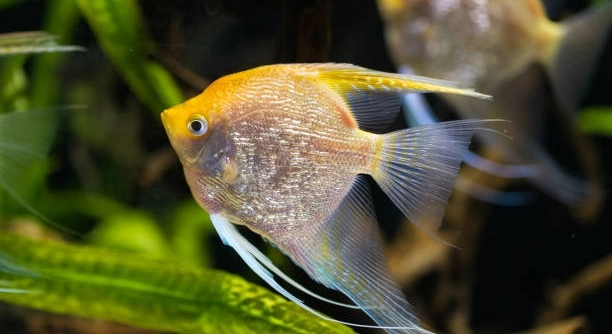
Is your angelfish fry staying near the bottom of the tank? This behavior can be confusing for fish owners, especially if you’re new to caring for these delicate little creatures. Understanding the cause will help improve their well-being.
The primary reasons your angelfish fry may stay near the bottom are related to environmental stressors, health issues, or inadequate water conditions. It’s essential to assess water quality, tank setup, and potential stress factors to address this concern.
Understanding these explanations can help you pinpoint what’s causing the behavior and provide solutions to promote a healthy and thriving fry population.
Poor Water Quality
Water quality plays a crucial role in the health of your angelfish fry. If the water is dirty or contains harmful chemicals, fry may seek the bottom of the tank as a way to avoid discomfort. Elevated ammonia, nitrite, or nitrate levels can stress fry and lead to abnormal behavior. Additionally, improper pH or temperature can also contribute to this issue. Fry are particularly sensitive to these changes and can struggle to thrive in less-than-ideal conditions. Regular water changes, along with testing your water for toxins, can prevent this behavior and encourage healthy development.
Monitoring water conditions with a reliable testing kit will give you peace of mind. Frequent water changes and proper filtration will help maintain a safe environment for the fry. Make sure to check the temperature regularly too.
Inadequate filtration or an overcrowded tank can worsen water quality. If there are too many fish or the filter isn’t working properly, waste builds up quickly, leading to toxic water. Fry have delicate immune systems, and poor water conditions can easily lead to health problems. Make sure your filtration system is suitable for the tank size and fry population. A clean tank ensures your angelfish fry have the best chance of growing strong and healthy.
Lack of Hiding Spots
Angelfish fry are naturally timid and seek shelter when they feel threatened or insecure. A lack of hiding spots in the tank can cause them to stay near the bottom as they feel safer there. Providing hiding places like plants, rocks, or other decorations can help reduce this stress.
If there aren’t enough places for fry to hide, they can feel exposed and vulnerable, leading to unhealthy behavior. You can create these hiding spots by adding plants or decorations that provide shelter and a sense of security. Fry will appreciate the opportunity to retreat and explore, making them feel more comfortable.
Adding some floating plants or small caves is ideal. Fry can use these spots as refuge from any perceived danger. Even if the tank is small, these hiding areas can help them adjust to the environment without constantly feeling stressed. This simple addition helps them feel more secure, encouraging natural swimming behavior.
Poor Temperature Control
Temperature fluctuations can also affect your angelfish fry’s behavior. Fry are especially sensitive to changes in water temperature, which can cause them to become lethargic and retreat to the bottom of the tank. Ensuring a stable water temperature is vital for their health.
A consistent temperature between 76-80°F (24-27°C) is ideal for angelfish fry. A reliable heater and thermometer can help maintain this range, preventing drastic changes that might stress the fish. Inconsistent temperatures could lead to weakened immune systems, leaving fry more vulnerable to diseases. Fry that are too cold might stay at the bottom in an attempt to conserve energy.
Additionally, placing the tank in a drafty area or near heat sources can cause temperature changes that harm the fry. Avoid sudden shifts in water temperature by monitoring the tank’s conditions carefully. Stability is key to ensuring your fry remain healthy and active, rather than hiding at the bottom in distress.
Overcrowding in the Tank
Overcrowding can be a major issue in a fry tank. If there are too many fish in a small space, it leads to stress and competition for food, causing fry to stay near the bottom. The lack of space makes them feel unsafe.
When fry feel cramped, they often retreat to the bottom to avoid interaction with other fish. Overcrowding not only affects their growth but can also lead to diseases and stunted development. To avoid this, ensure your tank has enough space for the fry to swim freely and comfortably.
Poor Nutrition
Angelfish fry need proper nutrition to grow strong and healthy. If they aren’t getting enough food or the right type, they might become lethargic and stay near the bottom. This could be a sign they are not getting the nutrients they need to thrive.
High-quality fry food should be small, rich in protein, and easy for them to consume. If they aren’t eating properly, they may lack energy and spend too much time near the substrate. Overfeeding, however, can lead to water quality issues. It’s important to find a balance and provide fresh food in small, manageable portions.
Illness or Infection
If your fry are staying near the bottom, illness or infection might be the cause. When fry are sick, they often become lethargic and lack the energy to swim properly. This could be due to parasites, bacterial infections, or poor water quality.
Look for signs of disease such as faded color, unusual spots, or clamped fins. If you notice any of these symptoms, isolating the sick fry and treating them immediately can prevent the issue from spreading. Maintaining a clean environment with good water quality can help prevent illness from affecting your fry.
FAQ
Why do angelfish fry stay near the bottom?
Angelfish fry may stay near the bottom for several reasons, including poor water quality, stress, lack of hiding spots, or temperature fluctuations. These factors can make the fry feel unsafe or uncomfortable, causing them to seek the bottom of the tank as a place to hide. Ensuring stable water conditions, providing hiding spaces, and monitoring temperature can help the fry feel more secure and swim freely.
How can I improve the water quality for my angelfish fry?
To improve water quality, perform regular water changes, and test for ammonia, nitrites, and nitrates. Keep levels at zero for ammonia and nitrites and below 20 ppm for nitrates. Ensure proper filtration and maintain consistent pH and temperature. Cleaning the substrate and removing any uneaten food will also help prevent toxins from building up. Using a quality filter and adjusting its flow to be gentle for fry can also make a big difference.
Is it okay to add decorations and plants to the fry tank?
Yes, adding plants and decorations is beneficial. It provides fry with places to hide and reduces stress. Choose soft plants or decorations without sharp edges to avoid injuring them. Floating plants are especially useful as they give fry the opportunity to rest near the surface without feeling exposed.
How often should I feed my angelfish fry?
Feed your fry small amounts multiple times a day, ideally 3-4 times. Use specialized fry food or finely crushed flakes. Overfeeding can lead to poor water quality, so only provide what they can consume in a few minutes. Monitor how much they eat to avoid leftover food from decomposing and affecting water conditions.
Can overcrowding cause angelfish fry to stay at the bottom?
Yes, overcrowding can cause stress and make the fry feel unsafe, leading them to stay near the bottom. Too many fish in a small tank will lead to competition for food and space, both of which can harm the fry’s health. Make sure your tank is not overcrowded and that each fry has enough room to swim freely.
What is the ideal water temperature for angelfish fry?
The ideal water temperature for angelfish fry is between 76-80°F (24-27°C). Keeping the water within this range helps maintain their health and encourages normal behavior. Fry that are too cold or too hot will become stressed and may exhibit signs like staying at the bottom of the tank. Use a reliable heater and thermometer to monitor the temperature closely.
Are angelfish fry sensitive to light?
Yes, angelfish fry can be sensitive to bright light, especially in the early stages of their development. Dim lighting or shading in the tank will help them feel more secure and reduce stress. Gradually introduce lighting as they grow older and more accustomed to their environment. Overly bright lights can cause them to hide at the bottom or swim erratically.
What should I do if my angelfish fry are showing signs of illness?
If your fry show signs of illness, such as faded colors, clamped fins, or unusual swimming patterns, it’s important to isolate the sick fry and monitor the others. Test your water conditions, as poor water quality can often be a factor. If necessary, treat the fry with appropriate medication or consult an aquarium specialist for advice. Keeping the tank clean and making sure the fry are not overcrowded will help prevent disease from spreading.
Can stress cause angelfish fry to stay at the bottom of the tank?
Yes, stress is a major factor in why fry might stay near the bottom. Stress can be caused by sudden changes in water parameters, aggressive tank mates, overcrowding, or even loud noises around the tank. Create a calm and stable environment by ensuring the water quality is optimal, the tank is not overcrowded, and the fry are not facing any aggression from other fish.
Is it normal for angelfish fry to swim at the bottom when they are very young?
Yes, it’s normal for angelfish fry to stay near the bottom when they are very young. At this stage, they are still learning how to swim and are naturally more cautious. As they grow and become more confident, they will begin to explore the entire tank. Providing hiding spots can help them feel secure as they gain strength and develop their swimming abilities.
How can I prevent my angelfish fry from staying near the bottom?
To prevent your angelfish fry from staying near the bottom, ensure they have a stable, stress-free environment. Regularly monitor water quality, keep the temperature consistent, and provide plenty of hiding spots. Avoid overcrowding and ensure they are fed the proper diet. Stress can easily be avoided with proper care, and healthy, well-fed fry will naturally swim around the tank more.
Final Thoughts
Taking care of angelfish fry can be a rewarding experience, but it also comes with challenges. When your fry are staying near the bottom of the tank, it’s important to consider a variety of factors that could be influencing their behavior. From water quality to stress, the reasons can vary, but once you understand the causes, it becomes much easier to create a comfortable environment for your fry. Healthy fry are more likely to grow and thrive when they feel safe and secure in their tank, so paying attention to details like water conditions, temperature, and hiding spots will make a noticeable difference.
It’s also essential to maintain good tank practices like regular water changes and monitoring food intake. Overfeeding can worsen water quality, so feeding smaller portions more frequently is often the best approach. Adding plants and decorations to provide hiding spots will help the fry feel more secure, allowing them to swim freely rather than staying at the bottom in fear. As fry grow and their needs change, the tank environment will need to adapt as well. Making small adjustments, like improving filtration or adjusting the tank’s temperature, can greatly improve their behavior and overall health.
Ultimately, it’s about keeping a careful eye on your fry and addressing any signs of distress as quickly as possible. With time, patience, and the right care, your angelfish fry should begin to swim more actively throughout the tank. Understanding their needs and responding to them helps you become a better aquarium keeper and ensures that your fish have the best chances for healthy development. It might take some time for you to see improvements, but maintaining a consistent and supportive environment will lead to success in the long run.

Hello,
If you enjoy the content that we create, please consider saying a "Thank You!" by leaving a tip.
Every little bit helps us continue crafting quality advice that supports the health, happiness, and well-being of pets around the world, for pets of all shapes, sizes, and species.
We really appreciate the kindness and support that you show us!