
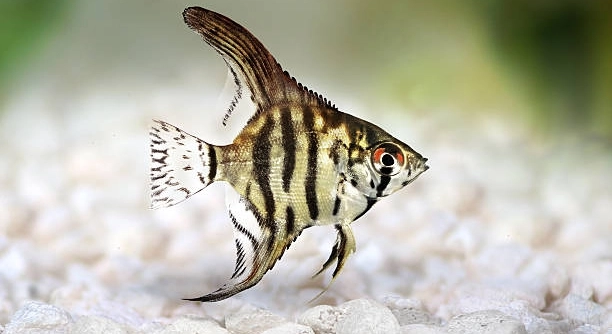
Angelfish are beautiful and popular aquarium pets, but sometimes, their behavior can be puzzling. If you’ve noticed your angelfish floating with its head down, you may be wondering what’s going on.
A head-down position in angelfish is often a sign of health issues, such as swim bladder disease, stress, or poor water conditions. In some cases, it could also result from physical injury or an infection.
Understanding the possible causes behind this behavior can help you address the issue more effectively. Keep reading to learn more about why your angelfish may be floating this way and what you can do to help.
Swim Bladder Disorder
Swim bladder disease is one of the most common causes of abnormal swimming behavior in angelfish. This disorder affects the fish’s ability to control its buoyancy, leading to difficulty maintaining proper position in the water. The swim bladder is an internal organ that helps regulate the fish’s buoyancy. When it malfunctions, the angelfish may float with its head down or struggle to maintain balance. This issue can occur due to a variety of reasons, including infections, injuries, or poor water quality. If left untreated, it can severely impact the health of the fish, making it harder to swim or feed properly.
The condition is often linked to a bacterial infection or injury, which disrupts the swim bladder’s function. Stress and poor water conditions can exacerbate the issue, making the fish more prone to developing the disorder.
If you notice this behavior, it’s crucial to first check the water conditions and make sure they meet the angelfish’s needs. Clean water, a proper temperature, and balanced pH levels are vital for your angelfish’s well-being. In some cases, adding aquarium salt can help ease the symptoms of swim bladder disorder and promote recovery.
Stress and Poor Water Quality
Stress can also lead to unusual swimming behavior in angelfish. Poor water quality is one of the main stress factors. If your tank is overcrowded or the water isn’t filtered correctly, your fish may become anxious. Angelfish are sensitive creatures, and stress can cause them to exhibit unusual behavior, such as floating with their head down.
Dirty water with high levels of ammonia, nitrites, or nitrates can be harmful. It’s important to monitor the water’s parameters regularly. A sudden change in temperature can also trigger stress in angelfish, causing them to swim erratically or in unusual positions. Ensuring stable conditions in the tank will help minimize stress and prevent behavioral issues.
Injury or Physical Damage
Physical injury can also cause an angelfish to float with its head down. If your fish has been injured, either by bumping into objects or during fights with tank mates, it might have internal or external damage that affects its swimming ability. This could lead to an unusual position in the water.
Injuries to the swim bladder or spinal cord are especially concerning, as they may hinder the fish’s ability to maintain balance. It’s important to observe if the fish shows signs of trauma, such as torn fins or swelling. Injuries can cause stress, which further complicates the situation.
A fish with a physical injury may require isolation in a hospital tank to recover. You should also maintain good water quality to help prevent secondary infections. In some cases, a veterinarian may be needed to assess the extent of the injury and recommend treatment options.
Infections and Diseases
Infections or diseases are another factor behind your angelfish’s unusual behavior. If your fish is sick, it might struggle to swim properly. Bacterial, parasitic, or fungal infections can lead to loss of buoyancy and erratic swimming patterns, including the head-down posture.
The symptoms of these infections can be hard to spot at first, but look for other signs like cloudy eyes, abnormal growths, or changes in color. These infections can weaken the fish’s overall health, making it harder for the angelfish to maintain balance in the water. If the infection goes untreated, it can lead to more severe complications.
Treatment depends on the type of infection, but antibiotics, antifungal medications, or parasite treatments are commonly used. Quarantining the infected fish is essential to prevent the disease from spreading to others in the tank. Proper treatment will help the fish recover and return to normal swimming behavior.
Overfeeding and Digestive Problems
Overfeeding can lead to digestive problems in angelfish, which may affect their ability to swim properly. If your angelfish consumes too much food at once, it can cause bloating or discomfort, leading to abnormal swimming behavior.
A bloated angelfish may float unnaturally, including with its head down, due to the pressure on its internal organs. This can cause stress and imbalance in the fish. Overfeeding often results in uneaten food decomposing, which further contaminates the water, making the problem worse.
To avoid this, feed your angelfish small amounts multiple times a day rather than one large feeding. Monitor its appetite and ensure that no excess food is left behind in the tank. Proper feeding will keep your fish healthy and active.
Poor Tank Conditions
Poor tank conditions can severely impact your angelfish’s health. Low oxygen levels, incorrect water temperature, or improper pH can cause stress, leading to erratic swimming patterns. Angelfish are sensitive to changes in their environment and may float unnaturally if the tank conditions are not ideal.
Ensuring the tank is clean, with regular water changes, is essential for your fish’s well-being. Also, check that the filtration system is working properly to maintain oxygen levels. Monitoring the water temperature and adjusting it if necessary can prevent conditions that make your fish feel uncomfortable or stressed. A stable, clean tank is key to avoiding these problems.
Lack of Exercise
Angelfish, like all aquatic animals, need adequate space and opportunities to move. A cramped tank can restrict their natural swimming behavior, causing them to become stressed or float unnaturally. If your angelfish is not able to exercise properly, it may end up in unusual positions, including head-down.
To provide a better environment for your fish, ensure your tank is large enough for them to move freely. A well-structured tank with plants, caves, and hiding spots allows your angelfish to stay active and feel secure.
FAQ
Why is my angelfish floating with its head down?
Angelfish floating with their head down typically indicates a problem with their swim bladder or other health issues. This could be caused by swim bladder disorder, which affects their buoyancy control. Stress, poor water quality, infections, or injuries may also lead to this behavior. It’s important to check the water parameters and ensure the fish is not experiencing any infections or digestive issues.
How can I treat swim bladder disorder in my angelfish?
Treatment for swim bladder disorder often includes improving the water quality and temperature. Adding aquarium salt can help relieve symptoms and aid in healing. In some cases, fasting the angelfish for a few days can help it regain control over its buoyancy. If symptoms persist, it may require medication or even a change in diet.
Can stress cause my angelfish to swim abnormally?
Yes, stress can significantly impact the swimming behavior of angelfish. When fish feel stressed due to overcrowded conditions, poor water quality, or incompatible tank mates, they may exhibit abnormal behavior like floating with their head down. Keeping your angelfish in a calm and stable environment is crucial for its health and well-being.
What water conditions should I maintain for my angelfish?
Maintaining proper water conditions is essential to keeping your angelfish healthy. The water temperature should be between 76°F and 84°F, with a pH level of 6.8 to 7.8. Regular water changes, good filtration, and monitoring ammonia, nitrite, and nitrate levels are crucial for preventing stress and disease. Clean water supports overall health and reduces the chances of abnormal swimming.
Can overfeeding cause my angelfish to swim with its head down?
Overfeeding can lead to digestive issues in angelfish, causing them to float in strange positions. A bloated fish may struggle to swim properly, and overfeeding leads to excess food decomposing in the tank, which further stresses the fish. It’s best to feed angelfish smaller portions multiple times a day to avoid overfeeding and digestive problems.
What should I do if my angelfish gets injured?
If your angelfish is injured, isolate it in a separate quarantine tank to prevent further stress or infection. Make sure the water in the quarantine tank is clean and well-maintained to help the healing process. Observe the injury for any signs of infection, such as swelling or discoloration. In some cases, a visit to a vet may be necessary for proper treatment.
Can diseases cause my angelfish to float with its head down?
Yes, infections and diseases can affect an angelfish’s buoyancy, causing it to swim abnormally. Bacterial, parasitic, or fungal infections can impair the fish’s swimming ability. Signs of illness include changes in color, cloudy eyes, or lesions. It’s important to identify the disease early and treat it with the appropriate medication. Isolating the affected fish and maintaining clean water will help prevent the spread of disease to other tank mates.
How can I prevent my angelfish from becoming stressed?
Preventing stress involves maintaining a stable environment in your aquarium. Keep the water quality high, avoid overcrowding, and provide hiding places for your angelfish to retreat to when needed. Ensure the tank mates are compatible and not aggressive toward each other. Also, avoid sudden temperature or water parameter changes, as they can be stressful for the fish.
What should I feed my angelfish to prevent digestive problems?
Feeding your angelfish a balanced diet is key to preventing digestive issues. Offer a variety of high-quality flake or pellet foods designed for angelfish. Occasionally, you can supplement their diet with live or frozen foods like brine shrimp or bloodworms. It’s important to avoid overfeeding and remove any uneaten food from the tank to maintain good water quality.
How do I know if my angelfish is sick or just stressed?
The signs of stress in angelfish can be subtle, but they typically involve swimming behavior changes, such as floating head-down. A stressed angelfish may also have faded colors, and its fins may be clamped. If you notice any additional symptoms like lesions, cloudy eyes, or abnormal growths, it could be a sign of illness. Monitoring water conditions and ensuring the fish is in a stress-free environment can help prevent these issues.
Can a lack of exercise cause my angelfish to float abnormally?
Yes, lack of exercise can contribute to abnormal swimming behavior. Angelfish need space to swim and explore. If your tank is too small or overcrowded, your angelfish may not get enough exercise, which could cause stress and lead to abnormal swimming patterns, including floating with its head down. Providing a spacious tank with plants, caves, and swimming space will help keep your fish active and healthy.
How do I know if my angelfish is getting enough oxygen?
Angelfish require well-oxygenated water to stay healthy. You can tell if your fish is getting enough oxygen if it swims actively and does not exhibit signs of stress like gasping at the surface or erratic swimming. Ensure your tank is equipped with a proper filtration system and aeration to maintain adequate oxygen levels, especially in larger tanks or those with heavy stocking.
Final Thoughts
When an angelfish starts floating with its head down, it can be concerning for any aquarium owner. This behavior is often a sign that something isn’t quite right with the fish’s health or environment. The most common causes include swim bladder issues, stress, poor water quality, infections, injuries, or overfeeding. Each of these factors can impact the fish’s buoyancy and swimming ability. Understanding the root cause of the issue is the first step in finding a solution and helping your fish recover.
Addressing the problem starts with checking the water quality in your tank. Ensure the temperature, pH, ammonia, and nitrate levels are within the recommended range for angelfish. Poor water conditions are often the main contributor to stress and health issues in fish. Regular water changes, proper filtration, and consistent maintenance can prevent many of the problems that lead to abnormal swimming behavior. In addition to water quality, consider if your angelfish has been overfed or stressed by its environment. Overfeeding can lead to digestive issues, which might cause bloating and difficulty swimming. Stress, on the other hand, can arise from overcrowded tanks or incompatible tank mates.
If the issue persists despite improving the tank environment, it may be necessary to isolate the angelfish in a quarantine tank for further observation and treatment. Sometimes, medical treatment or a diet change is needed to help the fish recover. In cases where there is an injury or infection, timely intervention is crucial. If you’re unsure of the cause, it’s always a good idea to seek advice from an aquarium expert or a veterinarian who specializes in fish health. With proper care and attention, most angelfish can recover from these issues and return to their normal behavior.

Hello,
If you enjoy the content that we create, please consider saying a "Thank You!" by leaving a tip.
Every little bit helps us continue crafting quality advice that supports the health, happiness, and well-being of pets around the world, for pets of all shapes, sizes, and species.
We really appreciate the kindness and support that you show us!