
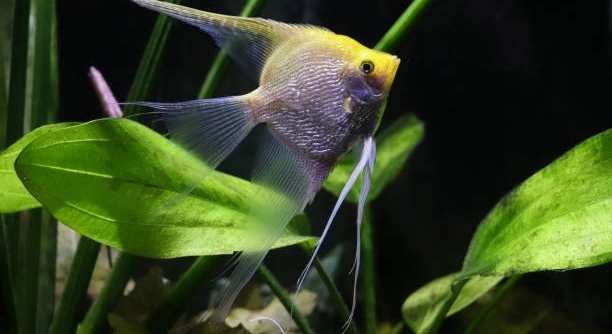
Angelfish are popular pets in many aquariums, loved for their beautiful fins and graceful movement. But sometimes, these lovely fish may eat less than usual, leaving their owners concerned. This behavior can be puzzling, especially for first-time fish keepers.
The main reasons for a decrease in angelfish appetite can be attributed to stress, water quality issues, changes in their environment, or even underlying health concerns. Proper care and observation are essential to ensure their well-being.
Understanding what might cause your angelfish to eat less is crucial for their health. With a few simple changes, you can help restore their appetite and overall health.
Stress in Angelfish
Stress can be a major factor when your angelfish isn’t eating as much as usual. Angelfish are sensitive creatures, and even small changes in their environment can make them anxious. This could be anything from new tank mates to loud noises around the aquarium. Stress weakens their immune system and causes them to become less active, often resulting in a reduced appetite. It’s essential to make sure the tank setup is stable and calm, allowing your angelfish to feel secure.
Environmental stress can be caused by overcrowding, aggressive tank mates, or a sudden change in temperature. If these conditions persist, your angelfish may become too stressed to eat regularly. Ensure that your tank offers plenty of hiding spots for the fish and that the environment remains quiet and stable.
Stress is often the first thing to check when your angelfish isn’t eating. Providing a peaceful environment can encourage your fish to feel safe enough to eat again. With patience and some small adjustments, your angelfish can get back to their usual feeding habits.
Poor Water Quality
Water quality plays a crucial role in the health of your angelfish. Fish rely on clean, well-maintained water to thrive. If the water parameters are off, such as high ammonia or nitrite levels, it can make your angelfish feel uncomfortable and even sick. Dirty water often leads to stress, which, as mentioned earlier, can decrease appetite.
To keep your fish healthy and eating, monitor the water regularly for pH, temperature, ammonia, and nitrate levels. Regular water changes can help maintain a clean environment. Installing a good filtration system is also key to ensuring that water remains clean. If water quality is compromised, angelfish may stop eating due to the stress and discomfort caused by poor conditions.
When you maintain ideal water conditions, you create a stable, healthy environment where your angelfish can thrive. Clean water not only promotes better feeding behavior but also ensures the overall health of your fish. Regular testing and maintenance of your tank are essential for keeping your angelfish happy and healthy.
Tank Mates
Another factor that could affect your angelfish’s eating habits is their tank mates. Angelfish, while peaceful, can become stressed if housed with aggressive or overly active fish. This stress can lead to reduced eating. When tank mates fight or crowd the space, your angelfish may retreat, losing interest in food.
Choosing tank mates that are calm and compatible with angelfish is important. Fish that constantly chase or bully your angelfish can stress them out and lead to a lack of appetite. When selecting new fish, be mindful of their temperament and the size of your tank. This will help avoid any tension in the tank and ensure your angelfish feels comfortable enough to eat.
Properly selecting tank mates will encourage your angelfish to feed regularly and remain healthy. Ensuring a harmonious tank environment is essential for all fish. If needed, consider moving overly aggressive fish to a different tank to promote peace and better eating habits.
Illness or Disease
If your angelfish is eating less, it might be a sign of an illness or disease. Fish tend to stop eating when they feel unwell or are dealing with an infection. Common conditions include swim bladder disease, parasites, or bacterial infections. These illnesses often cause lethargy, difficulty swimming, and changes in appearance.
Monitoring your fish closely can help you catch these problems early. If you notice abnormal behavior or physical signs like spots, lesions, or bloating, it’s important to act quickly. Isolate the sick fish to prevent the spread of illness and consult a veterinarian or aquatic specialist for proper diagnosis and treatment.
In some cases, the cause might be internal, such as parasites or an infection affecting the digestive system. These conditions can make it painful for your fish to eat. Proper diagnosis and timely treatment are essential for recovery. Ensure you maintain good tank hygiene and monitor the health of all your fish to catch potential problems early.
Water Temperature
Angelfish require a specific water temperature range to stay healthy. If the water is too cold or too warm, your fish may become sluggish and lose interest in eating. They thrive best in temperatures between 76°F and 82°F. When the temperature falls outside this range, their metabolism slows down, affecting their appetite.
Make sure your tank has a reliable heater to maintain a stable temperature. A thermometer is essential to monitor water temperature, as even slight fluctuations can stress the fish. Cold water can cause angelfish to become inactive, while overly warm water can decrease oxygen levels, making it harder for your fish to breathe and eat.
Maintaining the right water temperature ensures your fish are in an environment where they can comfortably feed and remain active. A steady and appropriate temperature also helps reduce the chances of disease and other health issues. Consider investing in a high-quality heater and thermometer to regulate the water temperature effectively.
Overfeeding
Overfeeding can lead to your angelfish eating less. If you provide too much food, the fish may only nibble on a small portion, leaving the rest to decay in the water. Excess food can pollute the tank, affecting water quality and making the fish uncomfortable.
Try feeding your angelfish smaller amounts of food, ensuring they eat it all within a few minutes. This approach helps maintain water quality and encourages your fish to eat more regularly. Remove any uneaten food to prevent it from affecting the tank environment. Overfeeding not only harms your fish’s appetite but also their health.
Changes in Diet
Sometimes, a change in the type of food can make your angelfish less interested in eating. Angelfish can be picky eaters, and if their usual food is replaced with something they don’t like, they may refuse to eat. Ensure the food is suitable for angelfish.
Try offering a variety of high-quality foods to see if your angelfish prefers one over the other. Switching up their diet with occasional live food, such as brine shrimp or daphnia, can stimulate their appetite and provide additional nutrients. Make sure to avoid drastic changes, as sudden shifts might stress your fish.
Old Age
As angelfish age, their appetite may decrease naturally. Older fish may become less active and lose interest in food. Their metabolism slows down, which means they require less food than they did when they were younger. This is a common occurrence in many species of fish.
If your angelfish is older, monitor their feeding habits and adjust their diet accordingly. It’s still important to offer them nutritious food to maintain their health. However, don’t be alarmed if they start eating less. Just ensure they still show interest in food occasionally to avoid malnutrition.
FAQ
Why is my angelfish not eating but still swimming?
When an angelfish swims around but refuses to eat, it could be stressed or dealing with water quality issues. The fish may feel the need to stay active to escape from stressors, but the discomfort of their environment prevents them from eating. Check the water temperature, ammonia levels, and cleanliness of the tank. Additionally, if you’ve recently added new fish or made changes to the tank, this could also cause stress. Consider isolating the fish if it seems ill, and consult an expert if the behavior persists.
How can I get my angelfish to eat again?
To encourage your angelfish to eat, make sure the water conditions are perfect—test the pH, temperature, and ammonia levels regularly. Offer a variety of foods such as flakes, pellets, or live foods like brine shrimp. If the fish is stressed, consider reducing noise and ensuring tank mates are peaceful. Sometimes, providing a quiet and secure environment can help them regain their appetite. You may also need to reduce the amount of food in the tank if overfeeding is an issue. Consistency and patience are key when helping your angelfish.
Can water temperature affect my angelfish’s appetite?
Yes, water temperature plays a big role in the feeding habits of angelfish. These fish thrive in temperatures between 76°F and 82°F. If the water is too cold, their metabolism slows down, and they might not feel like eating. On the other hand, if the water is too warm, it may cause oxygen levels to drop, which can also reduce their appetite. Ensure that the temperature is stable within the ideal range using a reliable heater and thermometer.
Should I worry if my angelfish stops eating for a few days?
If your angelfish stops eating for a couple of days, it might not be a cause for immediate concern. Angelfish, like many other fish, may skip a meal or two without any major health issues. However, if the lack of appetite continues for more than a few days, or if there are other signs like lethargy or abnormal behavior, it’s important to investigate further. Check for signs of illness, stress, or poor water conditions. If the issue persists, consider consulting a fish expert for advice.
Is it normal for angelfish to eat less as they age?
Yes, as angelfish age, it’s normal for them to eat less. Older fish tend to become less active and may not require as much food. Their metabolism slows down, so they don’t need to eat as much to stay healthy. However, it’s important to keep offering them high-quality food to ensure they’re getting the necessary nutrients. As long as they still show interest in food occasionally, there’s no need to worry. If they completely refuse food for an extended period, that may indicate an underlying issue.
Can stress cause angelfish to lose their appetite?
Yes, stress is one of the most common reasons why angelfish may stop eating. Stress can be triggered by many factors, including poor water quality, aggressive tank mates, sudden changes in their environment, or overcrowding. When fish feel stressed, their immune systems weaken, and they may become lethargic or stop eating. To minimize stress, ensure your tank is stable, quiet, and peaceful. Adding hiding spots and reducing noise can help your angelfish feel secure and encourage eating.
How much should I feed my angelfish?
Feeding angelfish in the right amounts is important to maintain both their health and water quality. Generally, angelfish should be fed small portions of food twice a day. Only offer as much food as they can eat in about 3–5 minutes. Any leftover food should be removed to prevent it from polluting the water. Overfeeding can lead to water quality issues and a decrease in appetite. It’s important to stick to a regular feeding schedule and monitor how much your angelfish is consuming to avoid overfeeding.
What is the best food for angelfish?
Angelfish are omnivores, meaning they eat both plant and animal matter. The best food for angelfish includes high-quality flakes, pellets, or live foods like brine shrimp, bloodworms, and daphnia. You can also offer occasional vegetable matter, such as blanched spinach or zucchini. It’s a good idea to rotate between different food types to keep your angelfish interested and ensure they receive a balanced diet. Avoid feeding them only one type of food, as this can lead to nutritional imbalances. Always choose foods that are specially formulated for angelfish or other tropical fish.
Can tank mates affect an angelfish’s eating habits?
Yes, tank mates can significantly affect an angelfish’s eating habits. If your angelfish is housed with aggressive or overly dominant fish, they may become stressed and less likely to eat. It’s important to choose peaceful tank mates that won’t harass your angelfish. Similarly, if your tank is overcrowded, this can cause stress and result in a decreased appetite. Ensure your tank has enough space and that all fish are compatible in terms of temperament. Creating a peaceful and calm environment is essential for encouraging good feeding behavior.
Final Thoughts
If your angelfish isn’t eating as much as usual, it’s important to understand that there can be several reasons behind it. Stress, poor water quality, or even illness could be affecting your fish’s appetite. It’s crucial to regularly monitor the water quality and ensure that the temperature, pH, and ammonia levels are within the ideal range for your angelfish. Keeping the tank environment stable and quiet can also reduce stress, helping your fish feel comfortable enough to eat. Overfeeding should also be avoided, as uneaten food can cause pollution and make your angelfish uncomfortable.
Another factor that can impact your angelfish’s feeding behavior is its tank mates. Angelfish are relatively peaceful, but aggressive or dominant fish can stress them out, which in turn may cause a loss of appetite. Choosing the right tank mates is essential for maintaining a harmonious environment where all fish feel secure. If your angelfish is being bullied or crowded, it’s important to separate the more aggressive fish or reduce the number of fish in the tank. This can help your angelfish feel less threatened and encourage them to eat again.
In some cases, changes in diet or the natural aging process may be factors behind your angelfish eating less. Angelfish, like many fish, can become picky eaters or have reduced appetites as they age. This is often a normal part of their life cycle, and as long as they are still interested in food occasionally, it’s not usually a cause for concern. Experimenting with different food types can help re-stimulate their appetite. If the issue persists or worsens, it’s always best to consult a professional to rule out any underlying health issues. Keeping an eye on your angelfish’s health and maintaining a stable environment are the best ways to ensure they remain healthy and happy.

Hello,
If you enjoy the content that we create, please consider saying a "Thank You!" by leaving a tip.
Every little bit helps us continue crafting quality advice that supports the health, happiness, and well-being of pets around the world, for pets of all shapes, sizes, and species.
We really appreciate the kindness and support that you show us!