
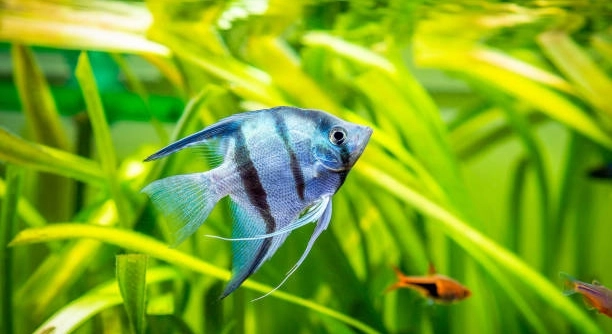
Angelfish are beautiful, graceful creatures that can sometimes display surprising behavior, such as digging in the gravel. This action often raises concerns for aquarium owners trying to understand what’s happening beneath the surface.
The main reasons why your angelfish dig in the gravel include natural behavior, such as preparing for breeding, exploring their environment, or creating a safe space. Digging can also result from stress or the need for cleaner water.
Understanding why your angelfish dig in the gravel will help you create a healthier and more stable environment for them.
Breeding Behavior and Nest Building
Angelfish are known to dig in the gravel as part of their natural breeding behavior. When they are ready to spawn, they often clear areas of the substrate to create a space for laying eggs. This digging helps them prepare a clean and safe area for the eggs to stick to, usually on flat surfaces like rocks or plants. The act of digging is not random; it is a purposeful activity aimed at ensuring the survival of their offspring. As part of their instinct, they may continue this behavior until they feel their nest is properly formed and secure.
In a well-maintained tank, this behavior is entirely natural. It is an indication that the fish are comfortable and possibly ready to breed. However, if this behavior occurs too frequently without the appearance of eggs, it might suggest other factors influencing the fish’s actions.
While this behavior is normal during breeding times, it can sometimes be seen in angelfish that feel safe and are exploring their environment. Even without mating, they still seek ways to rearrange their surroundings.
Stress or Discomfort
Digging can also be a sign of stress or discomfort in angelfish. Stress factors like poor water quality, overcrowding, or sudden changes in the tank environment can cause this behavior. When angelfish are stressed, they often look for ways to alleviate their discomfort. Digging might be a way to cope, as it can help them feel more secure.
It’s important to monitor the tank conditions regularly, ensuring that the water is clean and stable. Angelfish are sensitive to changes in their environment, and any shifts in their habitat can lead to abnormal behaviors. Maintaining a consistent routine, such as regular water changes, will help reduce stress.
Tank Conditions and Substrate Preferences
Angelfish may dig in the gravel due to the type of substrate used in the tank. Soft, fine gravel or sand can trigger digging behavior as they explore or search for food. This type of substrate offers a more natural feel for the fish, encouraging them to engage in such activities.
Changing the substrate to a more coarse material may reduce the frequency of this behavior. Gravel with larger, uneven pieces provides more resistance, making it less tempting for the fish to dig. If you observe constant digging, it might be time to evaluate the tank’s substrate to see if it aligns with the fish’s natural instincts.
Although the act of digging might seem excessive, it is usually harmless. However, if the fish are digging too much or in certain areas of the tank, it may be an indication that they are unhappy with their environment. Consider testing the substrate to ensure it is a good match for your angelfish.
Temperature Fluctuations
Changes in temperature can lead to unusual behavior in angelfish, including excessive digging. Fluctuations in water temperature often cause stress and discomfort, prompting fish to act out. Angelfish thrive in consistent conditions and may dig in an attempt to find a more comfortable spot.
If you notice the water temperature changing too much, it’s important to address it. A stable water temperature of 76 to 82°F (24 to 28°C) is ideal for angelfish. Using a reliable heater with a thermometer can help prevent temperature fluctuations that may cause stress or discomfort.
Ensure the tank is in an area that is not exposed to drafts or direct sunlight, which can lead to rapid temperature changes. Consistency in temperature is key for your angelfish’s health and well-being.
Inadequate Space
Angelfish are territorial creatures. If the tank is too small or overcrowded, they may dig in the gravel to establish boundaries. Limited space can cause stress, and digging becomes a way for the fish to claim their area.
Providing a larger tank or reducing the number of tankmates can help prevent this behavior. When angelfish have more space to roam, they are less likely to feel the need to dig excessively. This ensures that they are comfortable and secure in their environment, allowing for a more peaceful and natural behavior.
Angelfish require at least a 30-gallon tank for a small group. The more space they have, the less territorial behavior you’ll likely see. Always consider the size of the tank before adding more fish to prevent overcrowding.
Incompatible Tankmates
Angelfish may dig if they are stressed by other tankmates. Aggressive or overly active fish can cause anxiety, and digging might become a coping mechanism. These fish are generally peaceful but can be bothered by fish that invade their space.
Choosing compatible tankmates is essential for a peaceful environment. Avoid aggressive species, and instead, focus on calm, slower-moving fish. If your angelfish feels threatened, it may start digging to create a more secure area. Ensuring that all fish in the tank are compatible will reduce stress and encourage natural behavior.
Hunger or Searching for Food
Angelfish might dig in the gravel while looking for food. This behavior is not uncommon, as they may sift through the substrate in search of lost or missed food particles. This digging is often temporary and stops once they feel they’ve found enough to eat.
To prevent this, ensure your angelfish’s diet is sufficient. Feed them in moderation and avoid overfeeding, as excess food can also lead to water quality issues. Regularly vacuum the gravel to remove any uneaten food and reduce the chances of your fish digging in search of it.
FAQ
Why do angelfish dig in the gravel?
Angelfish dig in the gravel for several reasons, such as breeding, exploration, or creating a safe space. When they are preparing to spawn, they clear areas in the gravel to lay their eggs. Digging can also occur as part of their natural behavior to explore their surroundings or search for food. In some cases, stress or discomfort from poor tank conditions or overcrowding can trigger this digging behavior.
Can stress cause angelfish to dig in the gravel?
Yes, stress can cause angelfish to dig in the gravel. Stressors like poor water quality, overcrowding, or sudden changes in tank conditions can lead to this behavior. Angelfish may dig as a way to cope with the stress or to establish their territory. To reduce stress, make sure the tank environment is stable and that water quality is consistently maintained.
Is it normal for angelfish to dig while breeding?
Yes, it is completely normal for angelfish to dig while breeding. They often dig in the gravel to create a clean and secure space for laying their eggs. This is a natural part of their reproductive behavior. Once the area is prepared, the female will lay her eggs, and the male will fertilize them. Afterward, the parents will guard the eggs and protect them from potential threats.
How can I stop my angelfish from digging in the gravel?
To stop your angelfish from digging in the gravel, first assess whether the behavior is related to stress or breeding. If the digging is due to breeding, there may be little you can do to prevent it, as it’s a natural behavior. However, if stress is the cause, you can address it by improving water quality, ensuring the tank is not overcrowded, and providing compatible tankmates. Additionally, you could consider using a coarser substrate to make digging more difficult for the fish.
Does the substrate type affect angelfish digging?
Yes, the substrate type can affect angelfish digging behavior. Soft, fine gravel or sand encourages angelfish to dig, as it is easier for them to move around. If you want to reduce digging, you can switch to a coarser substrate with larger pieces that are more difficult for the fish to shift. A harder substrate can also help maintain a more stable environment for the fish.
How can I tell if my angelfish is stressed?
There are several signs that an angelfish may be stressed. These include unusual behaviors like excessive digging, hiding, or aggression toward other tankmates. Stress can also manifest in physical changes, such as faded colors, rapid gill movement, or abnormal swimming patterns. If you notice any of these signs, it’s important to check the water parameters, tank size, and tankmates to identify and address the cause of stress.
Should I be concerned if my angelfish is always digging?
If your angelfish is always digging, it’s important to evaluate the situation. If they are digging constantly, it could indicate stress, boredom, or an issue with the tank conditions. However, if the digging is part of normal breeding behavior, it’s not something to worry about. If you’re unsure, closely monitor their behavior and make adjustments to improve the tank’s environment.
Can angelfish dig too much?
Yes, angelfish can dig too much if they are experiencing stress, discomfort, or boredom. While occasional digging is normal, excessive digging may indicate an underlying problem, such as poor water quality, overcrowding, or an unsuitable tank setup. Regularly monitor water parameters and ensure that the tank provides enough space and stimulation to keep the fish healthy and content.
What can I do if my angelfish is digging up the plants?
If your angelfish is digging up plants, it could be a sign that they are looking for a place to lay eggs or rearrange their environment. You can try anchoring the plants more securely by using heavier pots or rocks. Alternatively, adding more hardy plants that can tolerate being disturbed may help. You could also check the water quality and ensure the tank has enough hiding spots for the fish to feel secure.
Is it safe for my angelfish to dig in the gravel?
In most cases, it is safe for your angelfish to dig in the gravel. This behavior is natural, especially during breeding or exploration. However, if the digging is excessive or causing harm to other tank inhabitants, it could indicate an issue. Ensure that the substrate is safe for the fish and that the digging does not disrupt the tank’s balance.
Final Thoughts
Angelfish digging in the gravel is a common behavior, and in most cases, it is entirely natural. Whether they are preparing to spawn, exploring their environment, or simply looking for food, digging can be part of their daily routine. However, while it is generally harmless, it is important to observe the fish and understand the cause of the behavior. If the digging seems excessive or happens frequently, it may indicate stress or discomfort, which requires attention.
Providing the right tank conditions is crucial to maintaining a healthy and happy angelfish. Ensuring stable water quality, temperature, and compatible tankmates can significantly reduce the likelihood of stress. Adequate space is also essential to prevent territorial behavior, as angelfish can become more inclined to dig if they feel cramped. Additionally, the substrate you choose can either encourage or discourage digging. A fine, soft substrate may invite more digging, while coarser materials can make it harder for the fish to engage in this behavior.
In conclusion, while it is natural for angelfish to dig in the gravel, understanding the underlying reasons for this behavior is key to ensuring your fish are thriving. Observing their actions and maintaining optimal tank conditions will help you manage this behavior effectively. If the digging becomes problematic, small adjustments to their environment, like changing the substrate or reducing tank stressors, can often make a big difference. By taking these steps, you can create a peaceful environment for both you and your angelfish.

Hello,
If you enjoy the content that we create, please consider saying a "Thank You!" by leaving a tip.
Every little bit helps us continue crafting quality advice that supports the health, happiness, and well-being of pets around the world, for pets of all shapes, sizes, and species.
We really appreciate the kindness and support that you show us!