
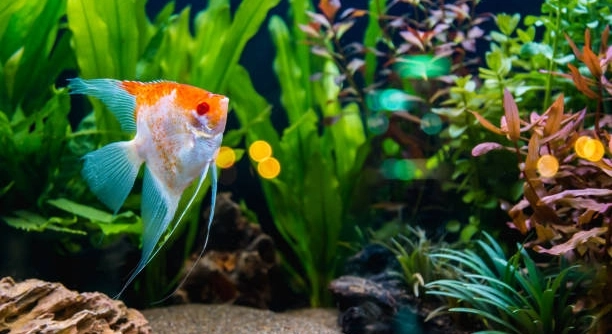
Angelfish are beautiful, graceful creatures that can be quite intriguing to observe. However, if you notice your angelfish chasing its own reflection, it can be a puzzling behavior. This article will explore seven possible reasons behind it.
Angelfish may chase their own reflection due to territorial instincts, stress, or even boredom. In some cases, they mistake their reflection for a rival or intruder. Understanding the causes can help you address the issue effectively.
There are various factors that can influence this behavior, from tank size to lighting. By understanding the causes, you can create a more peaceful environment for your angelfish. Let’s explore the potential reasons behind this curious behavior.
Territorial Behavior
Angelfish are naturally territorial animals. When they see their reflection in the glass, they may interpret it as another angelfish intruding on their space. This can lead them to chase after the image as they would with a real competitor. This territorial behavior is most common when an angelfish feels threatened or protective of their area. They may swim aggressively or posture to assert dominance. In the wild, angelfish guard their breeding sites or shelter areas, and this instinct often carries over to captive tanks. If your tank doesn’t provide enough hiding spots or territories, your fish may be more prone to these types of actions.
When multiple angelfish are housed together, their territorial instincts can become more pronounced. If the tank is not large enough, there might not be enough space for each fish to feel secure. This can result in them becoming more territorial and defensive. Ensuring that there are plenty of hiding spaces and territories can help ease this behavior.
To help alleviate the chasing, consider increasing the number of plants, decorations, or other elements in the tank. This will give your angelfish more areas to claim, reducing their need to chase their reflection.
Stress and Anxiety
Stress is a common factor behind unusual fish behavior. In an aquarium, several things can trigger stress for your angelfish. Factors like poor water quality, sudden temperature changes, or overcrowding in the tank can all contribute to the heightened stress levels that lead to reflection-chasing. Fish that are stressed might look for any outlet to release their tension, and chasing after their own reflection may become one such way to cope with it.
The symptoms of stress can manifest in various ways. In some cases, it might be subtle, like your angelfish becoming more active or agitated, but in other cases, it can show as visible health problems like faded colors or lethargy. This behavior can be a sign that something in the tank environment is off. Regular maintenance of water conditions and keeping the tank clean can help reduce stress and prevent reflection-chasing.
To manage stress, ensure your angelfish are living in a suitable environment. This includes maintaining stable water parameters and providing enrichment like plants and caves for hiding. A happy, well-adjusted angelfish is less likely to focus on chasing reflections.
Boredom and Lack of Stimulation
Angelfish are active swimmers and need mental and physical stimulation to stay engaged. If the tank lacks enough objects to explore or interact with, your angelfish may start chasing its own reflection out of boredom. They can easily become fixated on the glass as a form of entertainment when they feel there’s nothing else to do. This is particularly common in tanks that are too sparse or lack variety in their environment.
Providing a stimulating environment with plants, decorations, or other fish to interact with can help prevent this behavior. Adding new elements to the tank regularly, like caves or floating plants, can offer your angelfish more things to explore. This will keep them busy and reduce the likelihood of them focusing on their reflection.
In addition to adding physical items, consider rearranging the tank occasionally. This will give your angelfish a fresh environment to explore and can help reduce any fixation on their reflection. Keeping the environment dynamic helps prevent boredom and promotes a healthier, more active lifestyle for your angelfish.
Aggressive Behavior
Aggressive behavior in angelfish is sometimes triggered by competition or a perceived threat. If there’s another fish in the tank that they don’t get along with, your angelfish might react by chasing its own reflection, thinking it’s the other fish. This type of aggression is normal, but it can become problematic if it starts to affect the tank’s harmony.
If your angelfish is constantly chasing its reflection, it may be time to evaluate tank mates. Some fish species, especially other territorial or aggressive fish, might cause tension in the tank. If the aggression seems focused on a specific area, like a corner or side of the tank, this could be the cause of the behavior. A peaceful tank is vital for maintaining balance.
To reduce aggressive tendencies, consider removing any fish that might be provoking the angelfish. A larger tank can also provide more space for all the fish to establish territories and reduce the likelihood of territorial disputes. Ensuring each fish has enough room can help avoid these types of aggressive behaviors.
Reflection as a Mating Behavior
Angelfish are known to be territorial during breeding periods. When they see their reflection, they may mistake it for a potential mate. This is particularly common if there’s a breeding pair in the tank. The fish may chase its reflection in an attempt to defend or court the imagined mate.
If the tank is not properly set up for breeding, this behavior can become exaggerated. The angelfish may chase the reflection, thinking it’s a threat to their breeding territory. In this case, the behavior is often linked to their reproductive instincts rather than aggression or stress.
To reduce this behavior, consider adding more hiding spots and decorations to make the tank feel secure for breeding. This can also help the fish focus on real mates instead of reflections.
Poor Water Quality
Poor water quality can stress your angelfish, leading them to behave in unusual ways. High levels of toxins, like ammonia or nitrites, can cause agitation. When the water quality isn’t ideal, fish may become more active or even aggressive as they try to escape unfavorable conditions.
If the water is not changed regularly or if there are inconsistencies in the filtration system, the stress levels for your angelfish will increase. This can cause them to behave erratically, including chasing their reflection. It’s crucial to maintain proper water parameters to ensure your fish are comfortable.
Maintaining stable water conditions not only helps reduce stress but also supports overall health. Regular water testing and proper filtration will help create a balanced environment for your fish.
Lighting and Tank Placement
Lighting plays a big role in fish behavior. In some cases, if the light hits the tank at a certain angle, it can cause the reflection to appear stronger or more prominent. This can make the angelfish more likely to chase it.
Changing the position of your tank or adjusting the light source might help reduce the effect of reflections. Soft or diffused lighting can minimize the chances of creating strong reflections. This may calm your fish and reduce their fixation on the glass.
Experiment with different lighting setups to see which one helps your fish feel more at ease.
FAQ
Why does my angelfish keep chasing its reflection?
Angelfish may chase their reflection due to territorial behavior, stress, boredom, or even aggressive instincts. They can mistake their reflection for another fish, leading to aggressive behavior. If they are stressed, they might also chase their reflection as a way to release that tension. Additionally, if the tank is sparse or lacks enrichment, the fish might turn to their reflection as a source of stimulation. Providing hiding spots, decorations, and making sure the tank conditions are optimal can help reduce this behavior.
How can I stop my angelfish from chasing its reflection?
The best way to stop your angelfish from chasing its reflection is to reduce stress and provide enrichment in the tank. You can rearrange decorations or add more plants and caves to create hiding spots. Ensuring that the water quality is optimal and the tank isn’t overcrowded is also important. Lastly, adjusting the lighting to avoid strong reflections can help. If there are aggressive fish in the tank, consider moving them to another tank to prevent further stress.
Can poor water quality cause my angelfish to chase its reflection?
Yes, poor water quality can contribute to stress, which may cause your angelfish to chase its reflection. If the water parameters are off, the fish will likely feel uncomfortable and agitated. This stress can manifest in various behaviors, including reflection chasing. To prevent this, test the water regularly, perform water changes, and ensure the filtration system is working properly. Keeping the water clean and stable helps promote healthier fish and reduces erratic behavior.
Can angelfish chase their reflection during mating behavior?
Yes, angelfish may chase their reflection as part of their mating behavior. If they see their reflection in the tank, they might mistake it for another fish or a potential mate. This is especially true if there’s a breeding pair in the tank. The angelfish may chase its reflection in an attempt to defend its territory or court the reflection. To reduce this, provide ample hiding spots and territories for the fish, and if you have a breeding pair, ensure that they have a suitable area for breeding.
Is reflection chasing a sign of aggression?
Reflection chasing can be a sign of aggression in angelfish, especially if they perceive their reflection as a rival. Angelfish are territorial, and if they feel that their space is being invaded by the reflection, they may act aggressively to protect their territory. This is a natural response, but it can become problematic if it leads to stress or injury. Adding more hiding spaces and tank dividers can help alleviate this behavior by providing the fish with more space to claim as their own.
Does the tank size affect reflection chasing?
Yes, tank size plays a significant role in whether or not your angelfish will chase its reflection. If the tank is too small, your fish may feel cramped and territorial, making them more likely to react aggressively when they see their reflection. A larger tank gives angelfish more space to establish territories and reduce conflicts. If possible, increase the size of your tank to provide a more comfortable environment for your fish, which can help prevent this behavior.
How do lighting and tank placement affect reflection chasing?
Lighting and tank placement can affect how visible reflections are in your aquarium. If the tank is placed in an area with bright, direct lighting, the reflections on the glass may appear stronger and more distracting to your angelfish. This can lead them to chase the image they see. To minimize this, consider placing the tank in a shaded area or adjusting the lighting to a softer, diffused level. This will reduce the intensity of the reflections and help keep your angelfish from focusing on them.
Can I add more fish to the tank to stop reflection chasing?
Adding more fish to the tank may help reduce reflection chasing, but it depends on the species and their temperament. Some angelfish will do better with other fish that aren’t aggressive or overly territorial. Adding tank mates can help distract the angelfish and reduce its focus on its reflection. However, if the tank is too small or if the new fish are not compatible with the angelfish, it could lead to more aggression and stress. Make sure the tank has enough space and hiding places for all the fish.
Do angelfish need other fish to stop chasing reflections?
Angelfish do not necessarily need other fish to stop chasing reflections, though companionship can sometimes help reduce stress. If the tank is large enough and has plenty of hiding spots and distractions, a single angelfish can be content without other fish. However, if your angelfish seems lonely or bored, adding compatible tank mates may help. Just be mindful of the tank size and the personalities of the fish you add, as some species may cause more stress rather than alleviate it.
Can I prevent reflection chasing by changing tank decorations?
Yes, changing tank decorations can help prevent reflection chasing. Angelfish are less likely to focus on their reflection if there are more objects to explore. Adding plants, rocks, or caves will not only enrich the environment but also give your fish more areas to hide, reducing the chance of reflection fixation. Rearranging the decorations periodically can also keep the fish mentally stimulated and less likely to chase their reflection. Keep in mind that too many decorations can crowd the tank, so ensure there’s enough space for the fish to swim freely.
Final Thoughts
Angelfish chasing their reflection can be frustrating, but it’s important to remember that this behavior is often a natural response to various factors. Whether it’s territorial instincts, stress, boredom, or even mating behavior, your angelfish is reacting to something in its environment. In most cases, it’s not an indication of serious health issues, but rather a sign that something needs to be adjusted in their surroundings. Understanding the reasons behind this behavior is the first step toward solving it.
If you notice your angelfish constantly chasing its reflection, start by checking the water quality and ensuring that the tank is well-maintained. Stress from poor water conditions can lead to erratic behavior. Also, make sure your tank has enough space and hiding spots. Angelfish are territorial, and a lack of space can cause them to feel insecure, leading to reflection-chasing. Adding more plants, decorations, or even rearranging the tank can help reduce this behavior by providing more territories and distractions for your fish.
Lastly, consider adjusting the lighting in your tank. Reflections can be more prominent with bright or direct light, so changing the light placement or switching to softer lighting can reduce the chances of your angelfish becoming fixated on their own image. With a bit of trial and error, you can create a more comfortable and engaging environment for your angelfish, helping them feel less stressed and focused on their reflection. Ensuring a balanced tank with good water conditions, proper lighting, and plenty of space will lead to happier, healthier fish.

Hello,
If you enjoy the content that we create, please consider saying a "Thank You!" by leaving a tip.
Every little bit helps us continue crafting quality advice that supports the health, happiness, and well-being of pets around the world, for pets of all shapes, sizes, and species.
We really appreciate the kindness and support that you show us!