
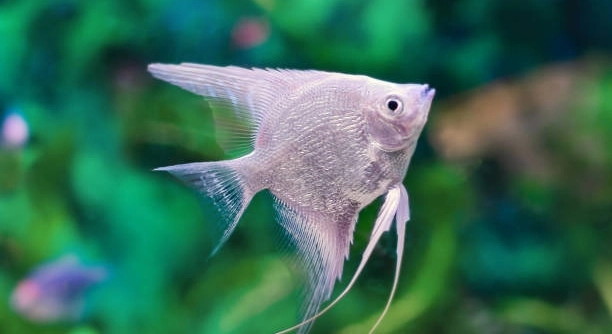
Have you ever noticed your angelfish swimming around with its mouth open and wondered if something might be wrong? This behavior can be concerning, especially when it becomes more frequent or persistent.
Angelfish often breathe with their mouths open due to poor water quality, low oxygen levels, gill infections, high ammonia, stress, elevated temperature, or overcrowding. Identifying the underlying issue is essential for maintaining your fish’s health and comfort.
Learning what each of these causes means can help you make better decisions for your angelfish and improve its tank conditions.
Poor Water Quality
When the water conditions in your aquarium aren’t ideal, angelfish may start breathing with their mouths open. Dirty or unbalanced water can quickly affect their gills and make breathing harder. Ammonia, nitrite, and nitrate levels should always stay within safe limits, and regular testing is key. Uneaten food, decaying plants, or waste buildup can all throw off the balance in the tank. A filter that isn’t working well or water changes that are too infrequent only add to the problem. Clean, well-maintained water helps your angelfish stay comfortable and breathe easily. It also lowers the chance of illness.
Routine water testing using a reliable kit helps track changes before they become serious. Stick to a weekly schedule for partial water changes and clean any waste buildup on the substrate or decorations.
Even if everything looks clear, water parameters can still shift. Staying consistent with maintenance helps prevent issues before they affect your fish.
Low Oxygen Levels
Angelfish breathing with their mouths open may be responding to low oxygen in the tank. This is often due to poor water circulation or high temperatures that reduce dissolved oxygen levels.
Add a bubbler, increase surface agitation, or adjust your filter output to help oxygen levels stay balanced. Warmer water holds less oxygen, so lowering the temperature slightly can also help. Live plants provide oxygen, especially during the day, but avoid overstocking as too many fish can reduce oxygen availability. Make sure your tank isn’t overcrowded and your equipment is functioning properly. These small steps can make a big difference for your angelfish.
Gill Infections
Gill infections can make it hard for your angelfish to breathe properly. Bacterial, parasitic, or fungal infections often inflame the gills, causing labored breathing. Mouth-gaping is one of the early signs that something is wrong with their respiratory system.
You might also notice faded gill color, excess mucus, clamped fins, or sluggish swimming. These signs can worsen quickly without treatment. Clean water and prompt identification are important. A vet or experienced aquarist can help confirm the issue through a physical exam or microscope. Medications like antiparasitics or antibiotics may be needed, depending on what’s causing the infection. Remove any carbon from your filter when treating, as it can absorb medications. Improving water quality during and after treatment supports recovery and helps stop the issue from coming back.
After treatment, keep an eye on the gills and breathing. Regular monitoring and quick action can prevent long-term damage and help your angelfish recover smoothly.
Elevated Temperature
When tank temperatures rise too high, angelfish can struggle to breathe. Warmer water holds less oxygen, forcing fish to breathe more rapidly or open their mouths wider. Even a few degrees can make a noticeable difference in their behavior and comfort.
Try keeping the temperature between 76°F and 80°F. Use a reliable aquarium thermometer to monitor conditions daily. If the room is hot or sunlight hits the tank, it can raise the temperature without you noticing. Fans or cooling units may help stabilize things. Also, avoid placing the tank near heating vents or windows. Proper circulation helps too, especially at the surface where gas exchange happens. Don’t forget to recheck your heater settings regularly—malfunctions happen. If your angelfish is already mouth-breathing, lowering the temperature gradually may offer quick relief. Preventing future spikes is just as important, so keeping your setup consistent goes a long way.
Stress
Stress can cause your angelfish to breathe with its mouth open. Loud noises, sudden changes in light, aggressive tank mates, or frequent handling can all lead to stress. Over time, this affects breathing and weakens their overall health.
Look for other signs like hiding, darting, or loss of appetite. Keeping the tank environment calm and predictable helps reduce stress. Adding plants, maintaining stable conditions, and avoiding overcrowding can make your angelfish feel more secure.
Overcrowding
Too many fish in one tank leads to lower oxygen and more waste, both of which make breathing harder for your angelfish. It also causes competition for space, which raises stress and can impact overall health.
Ammonia Spike
A sudden rise in ammonia can irritate your angelfish’s gills, making it hard to breathe. Even a small increase is dangerous. Check for overfeeding, decaying matter, or filter issues. Test your water often and respond quickly. Regular water changes and good filtration are key to preventing ammonia problems.
FAQ
Why is my angelfish breathing rapidly with its mouth open?
Rapid mouth-breathing is often a sign that something is wrong with your angelfish’s environment. Poor water quality, low oxygen levels, or even a sudden temperature change could cause them to struggle with breathing. If the water conditions are not right, your fish will naturally try to get more oxygen, which often results in opening its mouth wider than usual. Check the water parameters regularly, ensure proper filtration, and avoid overcrowding to help your angelfish breathe easier. If the behavior persists, consider checking for possible infections or disease.
How do I fix low oxygen levels in my aquarium?
Low oxygen levels can be fixed in a few ways. Increasing surface agitation or adding an air pump can help improve oxygen exchange. Airstones or sponge filters are also useful in raising oxygen levels. Ensure that your aquarium has adequate water movement, especially near the surface. If your tank is overcrowded, reducing the fish population can also make a noticeable difference. Live plants, especially during the day, can help provide oxygen as well. Monitoring your filter to ensure it’s not clogged is another important step to ensure proper oxygen flow.
Can high water temperature affect my angelfish’s breathing?
Yes, high temperatures can stress angelfish and cause them to breathe more rapidly. Warm water holds less oxygen, and as a result, your fish might open its mouth wider to get the oxygen it needs. Ensure that the tank temperature stays between 76°F and 80°F to prevent such issues. If the temperature rises, try using fans or aquarium chillers to stabilize the environment. Placing the tank away from direct sunlight or heat sources also helps maintain a stable, comfortable environment for your angelfish.
What are the signs of a gill infection in angelfish?
A gill infection in angelfish can manifest as mouth-gaping, sluggish swimming, or changes in the gill’s appearance. Look for excess mucus, pale gills, or swelling. Your angelfish may also display rapid or labored breathing and may be less active than usual. If the fish starts rubbing its gills against objects in the tank, it could be a sign of irritation. If you notice these symptoms, it’s important to separate the affected fish and treat the water to avoid the infection spreading. You may need to consult a professional for further diagnosis and treatment options.
How do I prevent ammonia spikes in my aquarium?
Ammonia spikes are often caused by overfeeding, poor filtration, or insufficient water changes. To prevent these spikes, ensure you’re feeding your angelfish only what it can consume in a few minutes. Remove any uneaten food promptly to prevent it from breaking down into ammonia. Regular water changes—about 25% of the water each week—will help keep ammonia levels low. Check your filter to make sure it’s working properly, and consider adding a filter media designed to reduce ammonia. It’s also important to avoid overstocking the tank to maintain balanced water conditions.
Can overcrowding cause angelfish to breathe with their mouths open?
Yes, overcrowding can directly affect your angelfish’s breathing. When there are too many fish in the tank, oxygen levels can decrease, and waste buildup increases. As a result, your angelfish may try to breathe more efficiently by opening its mouth wider. Additionally, overcrowded tanks often lead to increased stress, which further impacts the fish’s health. Be mindful of the stocking levels for your tank and ensure each fish has enough space to thrive. If needed, consider upgrading the tank size or reducing the number of fish to improve conditions.
What should I do if my angelfish is stressed?
Stress is a common cause of mouth-breathing in angelfish. To reduce stress, make sure the tank environment is calm and stable. Avoid sudden changes in water parameters or lighting. If you have aggressive tank mates, consider moving them or separating your angelfish. Providing plenty of hiding spots with plants or decorations can help your fish feel secure. Ensure that your fish are not overcrowded and that the water temperature and quality are consistent. Any changes to the tank should be made gradually to avoid shocking the fish.
How do I check water quality for my angelfish?
Checking water quality is essential for the health of your angelfish. Use an aquarium test kit to measure ammonia, nitrites, nitrates, pH, and water hardness. Ammonia and nitrites should always be at 0 ppm, while nitrates should not exceed 20-40 ppm. The pH should ideally be between 6.5 and 7.5 for angelfish. Water hardness (GH) should also fall within the recommended range for angelfish. Testing your water regularly will help you catch any changes in water quality before they become problematic. If any readings are off, take action to correct them, such as performing water changes or adjusting your filtration system.
Why does my angelfish breathe with its mouth open after eating?
After eating, some angelfish may breathe with their mouths open due to the additional strain on their digestive system. Large meals or feeding too often can cause a temporary increase in respiratory effort. This can be especially noticeable in warm water conditions, which further stress the fish. If you notice this behavior, avoid overfeeding and offer smaller meals more frequently. This will help reduce the strain on their digestive system and improve their overall health. Keep an eye on the water quality as well, as poor conditions can exacerbate breathing problems after meals.
What should I do if my angelfish is breathing with its mouth open?
If your angelfish is breathing with its mouth open, first check the water quality. Ensure that ammonia, nitrites, and nitrates are all within safe limits. Next, test the temperature to make sure it’s within the recommended range. If the water conditions are good, check for signs of stress or illness. Ensure the tank is not overcrowded and that the fish have plenty of oxygen. If there’s no improvement, consider consulting a veterinarian who specializes in fish for further advice. Taking quick action can help prevent long-term damage to your fish.
Final Thoughts
Understanding why your angelfish is breathing with its mouth open is essential for their overall health. This behavior can be caused by several factors, such as poor water quality, stress, overcrowding, or even an underlying infection. Regularly checking water parameters, such as ammonia, nitrites, nitrates, and pH, is crucial to maintaining a stable and healthy environment. If these factors are not addressed, they can lead to further health issues for your angelfish. Proper water maintenance and monitoring are key to preventing these problems from occurring in the first place.
Stress and overcrowding are also significant contributors to mouth-breathing in angelfish. Overcrowded tanks often lead to poor water quality, lower oxygen levels, and increased competition for space. These conditions can make your fish anxious and result in excessive breathing. Providing plenty of space, hiding spots, and a peaceful environment can reduce stress levels in your angelfish. If your tank is overcrowded, consider reducing the number of fish or upgrading to a larger tank to ensure each fish has enough space to thrive.
In some cases, infections or health issues can cause abnormal breathing patterns in angelfish. If the behavior continues despite improving water quality and reducing stress, it may be a sign of a gill infection or another illness. Regularly observing your fish for other symptoms, such as abnormal swimming or changes in appetite, is essential for early detection. If you suspect an infection, isolating the affected fish and seeking professional advice may be necessary. By taking proactive steps to maintain a healthy environment, you can help your angelfish thrive and prevent potential health issues in the future.

Hello,
If you enjoy the content that we create, please consider saying a "Thank You!" by leaving a tip.
Every little bit helps us continue crafting quality advice that supports the health, happiness, and well-being of pets around the world, for pets of all shapes, sizes, and species.
We really appreciate the kindness and support that you show us!