
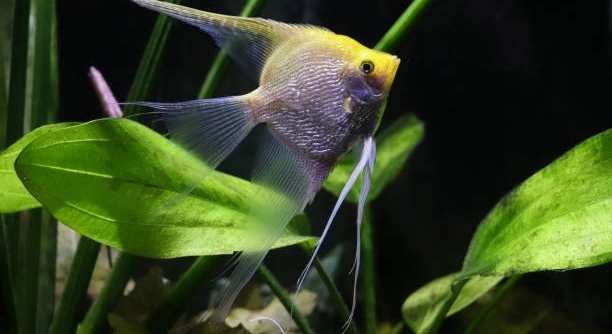
Angelfish are beautiful and peaceful creatures, often a popular choice for aquarium enthusiasts. However, when you notice them breathing heavily, it can be concerning. Understanding the possible reasons behind this behavior is essential to ensure their health and well-being.
Heavy breathing in angelfish can be caused by various factors such as poor water quality, high water temperature, stress, or illness. These issues can interfere with their breathing patterns, leading to increased respiratory rates as a sign of distress.
Addressing these issues quickly can prevent more serious health problems. Learning the causes of heavy breathing in angelfish will help you provide the proper care and maintain a healthy environment for them.
Poor Water Quality
One of the most common reasons for heavy breathing in angelfish is poor water quality. Angelfish are sensitive to changes in their environment, and water parameters like pH, ammonia, nitrites, and nitrates can affect their health. High levels of these substances can lead to oxygen depletion in the water, forcing angelfish to breathe harder to get the oxygen they need. Dirty water may also contain harmful chemicals or toxins that irritate their gills, causing them to work harder.
When testing water, make sure the levels are in the optimal range for angelfish. Regular water changes and a good filtration system can help maintain a clean, healthy environment. Always monitor the water’s temperature, as well, since extreme fluctuations can stress the fish.
Keeping the tank clean and stable is key to preventing stress and respiratory issues. Regularly clean the substrate, filter, and change out part of the water to help your angelfish thrive. A clean tank will make breathing easier for your fish and keep them healthy.
High Water Temperature
A high water temperature can contribute to your angelfish’s heavy breathing. Warm water holds less oxygen, making it harder for fish to get the air they need.
If the temperature is too high, angelfish may need to work harder to get enough oxygen, which leads to faster breathing. It is recommended to keep the tank temperature between 76°F and 82°F for angelfish. Higher temperatures can be particularly problematic in small tanks where oxygen circulation may already be poor.
Increased temperatures also accelerate metabolism in fish, causing them to need more oxygen. To manage the water temperature, use an aquarium heater with a thermostat and always monitor the tank’s temperature. A thermometer in the tank can help keep things under control.
Stress
Angelfish can experience stress from many factors, including changes in their environment, overcrowding, or the presence of aggressive tank mates. When stressed, their breathing rate increases as they try to cope with the discomfort.
Stress may also be caused by sudden changes in water conditions or loud noises around the tank. Fish can become more sensitive if they are not accustomed to these disruptions. They may start breathing heavily as a way of reacting to the stress. If your fish is stressed, it’s crucial to identify the root cause and address it promptly.
To reduce stress, ensure the tank is peaceful with compatible fish and that the environment remains stable. If a fish becomes stressed, try to isolate the cause—whether it’s poor tank conditions or aggressive tank mates—and resolve it. Providing plenty of hiding spaces can also help angelfish feel safer in their home.
Illness
Heavy breathing can be a sign of illness in angelfish. Certain diseases, like gill parasites or internal infections, can make it difficult for them to breathe properly. These illnesses often affect the gills or the fish’s ability to take in oxygen.
If the gills appear inflamed or discolored, or if your angelfish is showing other symptoms like lethargy or loss of appetite, it may be infected. Consult a veterinarian who specializes in fish diseases for diagnosis and treatment options. Early intervention is key to preventing the illness from worsening and to preserving the fish’s health.
It’s important to isolate the sick fish from the rest of the tank to prevent the disease from spreading. Treatment might include medicated water or specialized treatments based on the type of illness. Keep the water quality high during treatment to support the fish’s recovery.
Poor Oxygen Levels
Angelfish need a well-oxygenated tank to thrive. Low oxygen levels in the water can cause them to breathe heavily as they struggle to get enough air. This is common in tanks with poor water movement or overcrowding.
To improve oxygen levels, use a good filtration system and consider adding an air pump or aerator. Make sure the water is circulating well, and avoid overcrowding, as too many fish can deplete the oxygen supply quickly.
Adding plants can also help increase oxygen, as they release oxygen during the day. Keep the water clean and filtered to ensure your fish have access to the oxygen they need.
Overfeeding
Overfeeding angelfish can result in leftover food that decays and contaminates the water, leading to poor water quality. This can cause heavy breathing as the fish struggle with the buildup of toxins or ammonia in the tank.
Excess food can also lead to obesity, which affects the fish’s metabolism and overall health, leading to breathing difficulties. To avoid overfeeding, only give your angelfish enough food to eat in a few minutes, removing any uneaten portions. This will help maintain a cleaner, healthier environment for your fish.
Tank Size
Angelfish require a spacious tank to thrive. A small tank can cause overcrowding, increasing stress and leading to heavy breathing. Without enough space to swim freely, angelfish may experience respiratory distress.
Ensure your tank is large enough for the number of fish you have. A 20-gallon tank is the minimum recommended for a pair of angelfish. Larger tanks allow for better filtration, water movement, and less stress for your fish. If the tank is too small, consider upgrading to a larger one to improve their health and comfort.
FAQ
What should I do if my angelfish is breathing heavily?
If your angelfish is breathing heavily, the first step is to check the water quality. Test for ammonia, nitrites, and nitrates, as these can affect your fish’s breathing. If any levels are too high, perform a partial water change immediately. Also, ensure the temperature is within the appropriate range of 76°F to 82°F, as extremes can stress your fish. Make sure the tank is not overcrowded, and there are no aggressive tank mates causing stress. If the heavy breathing continues despite improvements in water quality and tank conditions, consider consulting a vet who specializes in fish.
How can I improve oxygen levels in my aquarium?
To improve oxygen levels in your tank, you can add an air pump or an air stone, which will increase surface agitation and help oxygenate the water. A good filtration system also promotes water movement, helping oxygen dissolve into the water. Additionally, keeping the tank clean by performing regular water changes and avoiding overfeeding can ensure there’s enough oxygen for your angelfish. Adding live plants can also naturally increase oxygen levels since they release oxygen during photosynthesis. Be sure to check the water temperature regularly, as warmer water holds less oxygen.
How do I know if my angelfish is stressed?
Stress in angelfish can show through several behaviors. Look for signs like increased breathing rate, hiding more than usual, or aggression towards tank mates. Stressed angelfish may also swim erratically or show less interest in food. You may also notice that their color becomes dull or their fins clamped against their bodies. To reduce stress, ensure that their environment is calm, the water parameters are stable, and that they have enough space to swim freely. If the stress is caused by another fish, consider separating the aggressive tank mate.
Can poor water quality affect my angelfish’s breathing?
Yes, poor water quality is a leading cause of heavy breathing in angelfish. High levels of toxins like ammonia, nitrites, and nitrates can irritate your fish’s gills and make it harder for them to absorb oxygen. If the water is dirty or improperly filtered, angelfish may begin to breathe more rapidly as a response to the lack of oxygen. Regularly monitor and adjust the water parameters to keep them in optimal range, and perform partial water changes as needed. Ensuring good water quality is crucial for your fish’s overall health.
What diseases can cause angelfish to breathe heavily?
Several diseases can cause angelfish to breathe heavily, including gill parasites, internal infections, and bacterial or fungal diseases. Gill parasites, like gill flukes, can cause inflammation and breathing difficulties, while infections may damage the gills, preventing proper oxygen absorption. If you notice other symptoms, such as lethargy, loss of appetite, or discolored gills, the fish might be sick. In this case, it’s best to isolate the affected fish and treat the tank with appropriate medications. A vet specializing in fish diseases can help diagnose the problem and recommend a proper treatment plan.
Can a heater cause angelfish to breathe heavily?
Yes, a malfunctioning or improperly set aquarium heater can cause problems for your angelfish. If the heater is too hot, it can raise the water temperature above what is ideal for your fish. Warmer water holds less oxygen, and angelfish may struggle to breathe. Conversely, if the heater is broken and water becomes too cold, it can stress the fish and lower their metabolism. To avoid this, make sure your heater is set to the appropriate temperature and consider using a thermometer to monitor the tank’s conditions. A stable temperature is crucial for keeping your angelfish healthy.
Is overcrowding a problem for angelfish?
Overcrowding is a significant issue for angelfish, as it can lead to poor water quality, stress, and heavy breathing. When too many fish are in a small space, waste accumulates quickly, and oxygen levels decrease. This forces your angelfish to breathe harder to compensate for the lack of oxygen. To avoid overcrowding, make sure your tank is large enough for the number of fish you have. A 20-gallon tank is the minimum size for a pair of angelfish, and larger tanks are always better. Proper filtration and regular water changes can also help prevent problems caused by overcrowding.
Can overfeeding affect my angelfish’s breathing?
Yes, overfeeding can have a direct impact on your angelfish’s breathing. Leftover food decays in the tank, leading to an increase in harmful toxins such as ammonia. This can stress your fish and cause them to breathe heavily as their gills work harder to filter out these toxins. Overfeeding can also lead to obesity in fish, which can strain their body and lead to breathing difficulties. To prevent overfeeding, only provide your angelfish with the amount of food they can consume in 2 to 3 minutes, and remove any uneaten food after feeding.
How often should I clean my angelfish tank?
Regular tank maintenance is essential for keeping your angelfish healthy and preventing issues like heavy breathing. You should perform partial water changes of about 25-30% every 1 to 2 weeks, depending on the tank size and the number of fish. Regularly clean the substrate, filter, and remove any algae buildup from the glass. Keeping the tank clean reduces the chances of toxins building up, which can cause stress and respiratory problems in your fish. Make sure to monitor the water parameters closely, adjusting the cleaning schedule if needed based on water quality.
What temperature is ideal for angelfish?
The ideal water temperature for angelfish is between 76°F and 82°F (24°C to 28°C). If the temperature is too low, the fish can become sluggish and stressed. If it’s too high, the water will hold less oxygen, which can lead to heavy breathing and respiratory distress. You can use a heater with a thermostat to maintain a consistent temperature. Be sure to regularly check the water temperature with an aquarium thermometer to avoid fluctuations that could harm your angelfish.
Final Thoughts
If you notice your angelfish breathing heavily, it’s important to first check the tank conditions. Poor water quality, high water temperature, and stress are some of the most common reasons for heavy breathing. Keeping your tank clean and ensuring the water parameters are stable is the best way to prevent this issue. Regular water tests, along with consistent water changes, can make a big difference in maintaining a healthy environment for your fish.
Additionally, monitoring your angelfish for signs of illness is crucial. If they are breathing heavily and showing other symptoms like loss of appetite, lethargy, or discolored gills, it could indicate a health problem that requires immediate attention. Diseases like gill parasites or internal infections can significantly affect your fish’s breathing. In such cases, isolating the sick fish and providing proper treatment is essential to prevent the illness from spreading to other tank mates.
Finally, keeping your angelfish stress-free is another key factor in maintaining their overall health. Avoid overcrowding, ensure the tank has compatible fish, and provide plenty of hiding spots to help your angelfish feel secure. By paying attention to these factors, you can create an environment that promotes both physical health and emotional well-being for your angelfish. Always stay vigilant, make adjustments as needed, and your angelfish will thrive in their aquatic home.

Hello,
If you enjoy the content that we create, please consider saying a "Thank You!" by leaving a tip.
Every little bit helps us continue crafting quality advice that supports the health, happiness, and well-being of pets around the world, for pets of all shapes, sizes, and species.
We really appreciate the kindness and support that you show us!