
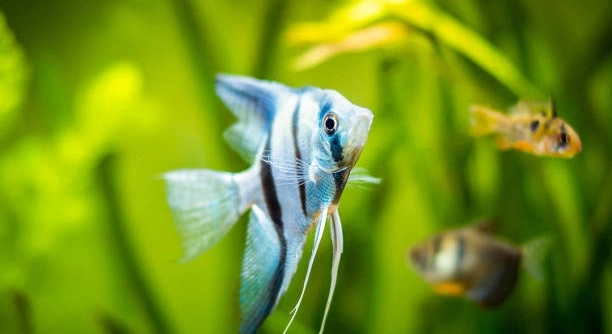
Is your angelfish moving around more than usual, breathing fast, and leaving you feeling unsure about what’s going on in the tank?
Rapid breathing in angelfish is commonly caused by poor water quality, lack of oxygen, stress, disease, high temperature, toxins, or overcrowding. Identifying the root cause early is essential to ensuring your fish’s health.
Understanding what’s affecting your angelfish can help you fix the problem quickly and avoid future stress for your aquatic friend.
Poor Water Quality
Angelfish are sensitive to changes in their water. When ammonia, nitrites, or nitrates are too high, your fish may start breathing faster to cope with the stress. Dirty water can also lower the oxygen level, making it harder for them to breathe. If you haven’t cleaned the tank in a while or checked your filter, it’s a good idea to do so. Make sure you’re using a test kit regularly to monitor the water parameters. A clean, stable tank with the right pH and temperature helps angelfish stay calm and breathe normally. Adding live plants can improve oxygen levels too.
Fast breathing can be the first sign that something is wrong with the water. It should not be ignored, even if the fish looks fine otherwise.
Keep a consistent tank cleaning schedule and always treat tap water before adding it to the tank. These simple habits can prevent a lot of stress.
Low Oxygen Levels
Low oxygen makes it harder for angelfish to breathe, and they may start moving their gills faster or swim near the surface.
This often happens in tanks with little surface movement or too many fish. Warmer water also holds less oxygen, which can make things worse. An easy fix is to add an air stone or increase surface agitation with a filter that disturbs the top of the water. If your fish are breathing heavily, look for these signs. Avoid overcrowding and always consider the size of your tank before adding more fish. Keeping the water well-oxygenated is key for angelfish to breathe easily and stay healthy.
Stress from Environmental Changes
Fast breathing can happen when angelfish are stressed by sudden changes in their environment. This might include moving to a new tank, loud noises nearby, or sudden light changes.
When angelfish feel threatened or uncomfortable, their breathing rate can go up. They might also hide more or show less interest in food. This kind of stress usually comes from rapid shifts—like water changes that are too cold or warm, rough handling, or a tank rearranged too often. Try to keep their environment calm and stable. Use a dim light when cleaning or feeding, and avoid tapping the glass. If you need to move or transport them, do it gently and gradually. Giving them time to adjust helps reduce their stress and supports normal breathing.
A peaceful tank setup with hiding spots, proper lighting, and minimal noise helps reduce stress. Consistency is key—keep the tank routine the same to avoid unnecessary changes.
Illness or Parasites
Some infections and parasites can cause angelfish to breathe faster than usual. Gill flukes, bacterial infections, and internal parasites are common issues that affect their breathing.
When disease is involved, you may also notice other signs like clamped fins, loss of color, or rubbing against objects. These symptoms mean the fish isn’t just stressed—it’s likely sick. Gill parasites can make it physically harder for them to take in oxygen. A good way to respond is by moving the fish to a quarantine tank and treating with medications suited for the specific illness. Always double-check water quality first, since poor conditions can also weaken their immune system. Acting early gives your fish a better chance to recover. Watching them closely every day can help you spot small changes before things get worse.
High Water Temperature
Warm water holds less oxygen, which can lead to faster breathing in angelfish. If the tank gets too hot, your fish may struggle to breathe and become more stressed overall.
Use a reliable aquarium thermometer and keep the temperature between 76°F and 82°F. Avoid placing the tank near direct sunlight.
Exposure to Toxins
Toxins like chlorine, cleaning sprays, or even cigarette smoke can enter the tank and affect your angelfish’s breathing. These substances irritate the gills, making it hard for them to breathe properly. Always use a water conditioner when adding new water and avoid spraying anything near the tank. Be mindful of what goes into or around the aquarium, including your hands if they’ve touched soap, lotion, or chemicals. If toxins are suspected, perform a partial water change right away. Activated carbon in the filter can also help remove harmful substances from the water and keep it safer for your fish.
Overcrowding
Too many fish in one tank can reduce oxygen levels quickly. It also causes more waste, which affects water quality and leads to stress. Keeping a balanced number of fish helps your angelfish breathe easier and stay healthy.
FAQ
Why is my angelfish breathing rapidly but acting normal?
When an angelfish is breathing fast but seems otherwise normal, it’s likely due to environmental stressors or minor discomforts. Common causes include fluctuations in water temperature, poor water quality, or changes in the tank setup. It’s important to check the water parameters, clean the tank, and make sure the temperature is within the ideal range of 76°F to 82°F. If the fish’s behavior returns to normal once the conditions stabilize, there’s no cause for alarm.
Can angelfish breathe too fast if they are stressed?
Yes, stress can cause angelfish to breathe faster. Stressors like loud noises, sudden water changes, or overcrowding can cause a fish to exhibit rapid gill movement. Stress may also reduce their appetite or make them hide. To alleviate stress, ensure that the tank environment is calm and stable. This means avoiding sudden changes to water conditions and minimizing disturbances like tapping on the glass.
What should I do if my angelfish’s breathing becomes rapid and they are showing other signs of illness?
If your angelfish is breathing rapidly and also displaying other symptoms like clamped fins, loss of color, or unusual swimming patterns, they may have a disease or parasite. In this case, it’s best to quarantine the fish immediately to prevent the spread of any illness. Treat the affected fish with appropriate medications based on the symptoms observed. You can also check for parasites or signs of bacterial infection. It’s crucial to address both the health issue and the water quality.
Can high temperatures cause my angelfish to breathe faster?
Yes, high temperatures can lower the oxygen content in the water, making it harder for angelfish to breathe. This leads them to compensate by breathing faster. If the water temperature exceeds 82°F, it’s a good idea to take steps to cool it down. This can be done by reducing the lights, using a fan near the tank, or moving the tank to a cooler area in the room. Maintaining a stable and appropriate water temperature helps your angelfish stay comfortable.
Is it possible that poor water quality is the reason for my angelfish’s fast breathing?
Poor water quality is one of the most common reasons for rapid breathing in angelfish. High ammonia, nitrite, or nitrate levels in the water can lead to irritation and make it harder for the fish to breathe. Regular water testing is crucial to ensure these levels are within safe ranges. If your water parameters are off, perform a partial water change, and clean the tank and filter. Always make sure that water is properly conditioned before adding it to the aquarium.
Can overfeeding cause my angelfish to breathe fast?
Overfeeding can lead to excess waste in the tank, which may degrade water quality and increase stress levels in your angelfish. This can make them breathe more quickly in an attempt to cope with the poor water conditions. To prevent this, feed your angelfish only as much as they can eat in a few minutes. Regularly remove any uneaten food to maintain a clean tank and avoid water pollution.
How can I increase the oxygen levels in my tank for my angelfish?
Increasing oxygen levels is essential to helping your angelfish breathe easier. You can achieve this by adding an air pump with an air stone or using a filter that agitates the surface of the water. Increasing surface agitation helps oxygen exchange, especially in tanks with warmer temperatures. Adding live plants can also help, as they naturally release oxygen into the water. Regular water changes also keep oxygen levels healthy.
Why do my angelfish breathe faster when they are spawning?
Spawning can cause angelfish to breathe faster due to the stress and excitement of the process. During mating, they may be more active, and the increased movement can lead to faster breathing. Additionally, changes in water conditions or tank rearrangement during spawning can cause temporary stress, which might contribute to rapid gill movement. As long as other signs of illness are absent, this is usually a normal behavior during breeding.
Should I be concerned if my angelfish is only breathing faster at night?
If your angelfish is breathing faster at night, it could be a sign of lower oxygen levels or warmer water temperatures. At night, plants stop releasing oxygen, which may lead to a slight decrease in oxygen levels. Check the tank’s oxygenation and temperature. Consider using an air stone or adjusting the filter to create more surface movement. If this behavior continues during the day as well, further attention may be required to ensure water quality is optimal.
What are the common signs of illness that could cause my angelfish to breathe rapidly?
Common signs of illness in angelfish that may lead to rapid breathing include clamped fins, loss of color, erratic swimming, rubbing against tank surfaces, or changes in appetite. These symptoms often indicate gill or skin infections, internal parasites, or poor water quality. If your fish shows these signs along with fast breathing, quarantine the fish and treat it accordingly.
Final Thoughts
Rapid breathing in angelfish is often a sign that something is wrong with the environment or their health. While it can sometimes be linked to minor stressors, it’s important not to overlook it. Factors like poor water quality, high temperatures, or overcrowding can all make your fish breathe faster. The key is to stay observant and address potential issues early on to ensure your angelfish remains healthy.
Taking care of the water quality should be your first step when noticing fast breathing in your angelfish. Regularly testing for ammonia, nitrites, and nitrates can help you catch problems before they become serious. Additionally, maintaining a proper tank temperature between 76°F and 82°F will prevent discomfort and stress. Keep in mind that small changes, such as moving the tank or sudden water changes, can have a big impact. So, try to keep things as stable as possible. Also, make sure you’re not overfeeding, as excess food can lead to waste build-up and poor water quality.
If your angelfish continues to breathe quickly despite addressing environmental factors, illness could be a factor. Parasites, bacteria, and other infections can cause fast breathing and may require treatment. Monitoring your fish closely for other symptoms, such as loss of color or abnormal behavior, will help you spot illness early. A quarantine tank can be helpful to prevent the spread of disease if you’re treating one fish. Ultimately, paying attention to your angelfish’s behavior and taking proactive steps to maintain a clean, stable tank will help keep them happy and healthy.

Hello,
If you enjoy the content that we create, please consider saying a "Thank You!" by leaving a tip.
Every little bit helps us continue crafting quality advice that supports the health, happiness, and well-being of pets around the world, for pets of all shapes, sizes, and species.
We really appreciate the kindness and support that you show us!