
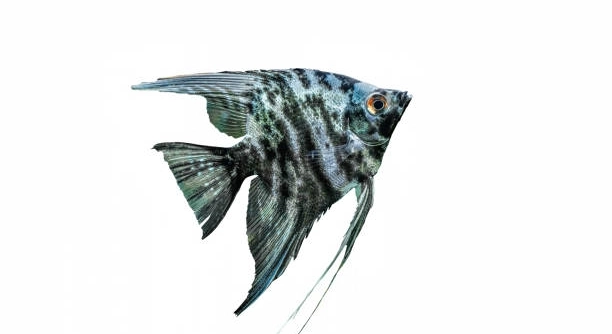
Angelfish are a popular choice for many aquarium enthusiasts. However, it can be concerning when they avoid the middle of the tank. Understanding the reasons behind this behavior is important to ensure their well-being in the aquarium.
Angelfish may avoid the middle of the tank due to several factors, such as territorial behavior, poor water quality, stress, or health issues. Identifying the root cause can help improve the fish’s environment and behavior.
The behavior of your angelfish can be influenced by many factors. Identifying these issues will help create a better environment for your fish.
Stress and Anxiety
Stress can significantly affect your angelfish’s behavior. New tank mates, changes in lighting, or even sudden changes in water conditions can cause your angelfish to feel unsafe. These fish are sensitive to environmental changes. If they feel threatened, they may avoid the middle of the tank as a way of staying out of sight.
Stress can lead to a weakened immune system, making fish more susceptible to illnesses. It is essential to maintain a stable environment for your angelfish. Keep the tank’s temperature, pH, and other conditions within the recommended range.
To reduce stress, consider adjusting the tank setup. Providing hiding spots and plants for shelter can make the fish feel more secure. Additionally, avoid sudden changes, such as overcrowding or introducing new fish too quickly. Monitoring the water quality regularly can also help reduce stress levels, ensuring your angelfish remains healthy and active.
Tank Size and Space
If your aquarium is too small, angelfish may feel cramped. Insufficient space can lead to discomfort and avoidance of open areas like the middle of the tank. A larger tank provides more room for your fish to swim freely.
Angelfish require a tank of at least 30 gallons to thrive. Overcrowding can stress them, making them more likely to stay near the edges rather than in the center. A spacious tank also allows for proper filtration, reducing the likelihood of poor water quality.
A well-maintained tank with plenty of space ensures your angelfish can move around comfortably. They will feel more at ease in a larger, healthier environment. Additionally, providing plenty of plants and decorations can create a more natural habitat, further encouraging the fish to explore all areas of the tank.
Poor Water Quality
Poor water quality is one of the most common reasons angelfish avoid certain parts of the tank. High levels of ammonia, nitrites, or nitrates can create an unsafe environment. Angelfish may steer clear of the middle of the tank if the water conditions are off.
Regular water changes are essential to maintaining a clean environment. Testing the water for pH, ammonia, nitrites, and nitrates can help you identify any issues. If water quality is low, your fish may avoid areas that seem to have a higher concentration of harmful substances.
In addition to regular water changes, ensure your filtration system is working efficiently. A high-quality filter will help keep the water clean and clear, reducing the risk of toxins building up. Keeping the tank free of debris and excess food is also important. It can be helpful to maintain consistent water temperatures, as fluctuations can stress the fish, leading them to avoid the center of the tank.
Health Issues
Health issues can also cause angelfish to behave unusually. If they’re feeling unwell, they may avoid the middle of the tank to find a quieter, more secluded spot. Common health problems include parasites, injuries, or internal diseases.
If an angelfish is avoiding the middle of the tank, it could be a sign of discomfort or pain. Observing your fish closely for any visible signs of illness, such as faded colors, bloated bellies, or unusual swimming patterns, is key. Seeking treatment as soon as symptoms appear will help improve their chances of recovery.
Addressing the root cause of the health issue is vital for their recovery. If you suspect parasites or infections, consider consulting an aquarium professional. Early intervention and isolation from other tank mates can prevent the spread of illness and help your angelfish regain its health.
Territorial Behavior
Angelfish are territorial by nature. If there are other fish in the tank, they may avoid the middle if they feel it is already claimed by a more dominant fish. Territorial disputes often lead to hiding in corners or at the edges.
Adding more plants or decorations can break up the space, allowing angelfish to establish their own territories. This can help reduce aggression between tank mates and give each fish its own space. Ensuring each fish feels secure will improve the overall environment and help your angelfish become more comfortable.
Tank Mates
Choosing the right tank mates is crucial for keeping angelfish calm. Aggressive or overly active fish can stress angelfish, leading them to avoid the middle of the tank. Peaceful tank mates will reduce stress levels.
Consider keeping angelfish with other non-aggressive species that won’t compete for space. Avoid overcrowding to prevent territorial conflicts and ensure all fish have enough room. Peaceful surroundings will encourage your angelfish to swim freely and explore the tank without feeling threatened. Monitoring behavior after introducing new fish is essential to avoid long-term stress.
Lighting
Angelfish can be sensitive to lighting conditions. If the tank is too brightly lit, they may avoid the middle as it may feel too exposed. Dim lighting or strategically placed lighting can provide a more relaxed environment.
FAQ
Why does my angelfish swim near the surface but avoid the middle of the tank?
This behavior may indicate poor water quality or stress. Angelfish often swim near the surface if they are trying to avoid contaminants or low oxygen levels in the middle of the tank. Regular water changes and maintaining a clean filter can improve water quality. Monitoring pH levels, ammonia, and nitrate concentrations will help maintain a safe environment.
Can angelfish avoid the middle of the tank because of other fish?
Yes, angelfish can become territorial or stressed due to the presence of other fish. If a tank mate is overly aggressive or dominant, the angelfish may avoid certain areas, including the middle. Adding more hiding spaces, plants, or decorations can reduce aggression and help your fish feel more secure.
Could my angelfish’s behavior be due to a disease?
Illnesses can lead to unusual behavior in angelfish. If your fish is avoiding the middle of the tank, it might be a sign of discomfort or pain. Look for signs like faded colors, bloating, or irregular swimming patterns. Treating health issues early can improve their chances of recovery and reduce stress.
How can I reduce stress in my angelfish?
Providing a stable environment is key to reducing stress. Make sure the water conditions are optimal by testing for pH, ammonia, nitrites, and nitrates. Introducing tank mates gradually and avoiding overcrowding can also help. Adding plants and hiding spots will give your angelfish more space to retreat if needed.
Does tank size affect angelfish behavior?
Yes, tank size plays a significant role in the behavior of angelfish. A tank that’s too small can make them feel cramped and stressed. Angelfish require a minimum of 30 gallons to thrive. Larger tanks provide more space to swim and help reduce territorial behavior.
What type of lighting is best for my angelfish?
Angelfish prefer soft, dim lighting. Bright lights can stress them out and cause them to avoid the center of the tank. Consider using low-intensity lights or adjustable lighting that can create shaded areas. A gentle, natural light cycle will mimic their natural environment and make them feel more comfortable.
Could my angelfish be avoiding the middle of the tank due to temperature fluctuations?
Angelfish are sensitive to temperature changes. Sudden shifts can cause stress, making them avoid open areas. Keep the tank temperature stable, ideally between 75°F and 82°F (24°C to 28°C). Invest in a reliable aquarium heater and thermometer to maintain consistent conditions.
Are there any specific tank mates that work well with angelfish?
Angelfish are peaceful but can become aggressive when stressed. Suitable tank mates include other peaceful fish such as tetras, gouramis, or corydoras catfish. Avoid species that are too active or aggressive, as they may cause stress and territorial behavior in your angelfish.
Can angelfish live with other species of cichlids?
Angelfish can sometimes coexist with other cichlid species, but it depends on the temperament of both fish. Larger or more aggressive cichlids may intimidate or harm your angelfish. If you keep multiple cichlids, ensure that they have enough space and hiding spots to avoid conflicts.
How can I tell if my angelfish is stressed?
Signs of stress in angelfish include erratic swimming, hiding, loss of color, and avoiding certain areas of the tank. Stress can result from poor water quality, overcrowding, or aggression from other fish. Monitoring water parameters and making environmental changes will help alleviate stress.
Why do angelfish sometimes swim in circles or at the edges of the tank?
Swimming in circles or along the edges of the tank can be a sign of stress or illness. This behavior may also occur if the fish are trying to find a more suitable area to feel safe. Check water quality, and ensure there are no aggressive tank mates causing distress.
Do angelfish need special tank decorations?
Angelfish do better in tanks with decorations such as plants, rocks, or driftwood. These items provide hiding spots, which help reduce stress and create territories. Make sure there’s enough open swimming space, as angelfish enjoy exploring but also need places to retreat when feeling threatened.
Can I change the position of decorations in my tank?
Yes, but changes should be gradual. Moving decorations frequently can stress your angelfish. If you need to make changes, do it slowly and monitor the fish’s behavior afterward. Consistency helps angelfish feel secure in their environment, so avoid constant rearrangements.
Is it necessary to use a filter in an angelfish tank?
Yes, a filter is essential for maintaining water quality. Angelfish thrive in clean, oxygenated water, and a good filtration system helps remove waste and toxins. Ensure that the filter’s current isn’t too strong, as angelfish prefer gentle water movement.
How can I encourage my angelfish to swim in the middle of the tank?
To encourage your angelfish to swim in the middle, create a calm, stable environment. Minimize stressors like excessive noise, bright lights, or aggressive tank mates. Adding plants and decorations in the right spots can also offer protection while allowing the fish to feel secure enough to explore more of the tank.
Final Thoughts
Angelfish are beautiful, peaceful creatures, but like all fish, they can exhibit unusual behavior when they are stressed or uncomfortable. If your angelfish is avoiding the middle of the tank, it’s important to first consider the overall health of the tank. Water quality plays a major role in your fish’s well-being. High levels of ammonia, nitrites, or nitrates can cause discomfort and lead your fish to seek out areas where they feel safer, such as corners or near the surface. Regularly testing and maintaining the water parameters can prevent many issues that cause stress.
Another factor that should not be overlooked is the presence of other fish in the tank. Angelfish can become territorial, especially if they are living with other more aggressive or dominant species. If this is the case, adding hiding spots or rearranging the tank can help reduce the tension. Peaceful tank mates, along with plenty of space to swim, will encourage the angelfish to explore all areas of the tank, including the middle. If your angelfish is avoiding certain areas, the solution may be as simple as adjusting the tank setup to make it more comfortable.
Lastly, the environmental conditions in your aquarium are just as important as the tank’s inhabitants. Lighting and temperature fluctuations can also affect your angelfish’s behavior. Bright, harsh lights or large temperature changes can cause them to avoid open spaces like the middle of the tank. Providing consistent and appropriate lighting, along with stable water temperature, will help your angelfish feel at ease. By paying attention to these factors, you can create a peaceful environment that encourages your fish to swim freely and confidently throughout the tank.

Hello,
If you enjoy the content that we create, please consider saying a "Thank You!" by leaving a tip.
Every little bit helps us continue crafting quality advice that supports the health, happiness, and well-being of pets around the world, for pets of all shapes, sizes, and species.
We really appreciate the kindness and support that you show us!