
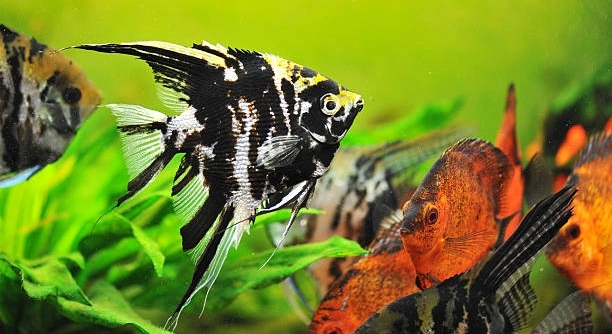
Angelfish are popular aquarium pets, known for their beauty and easy care. However, when they start avoiding certain foods, it can be confusing and concerning. Understanding why this happens can help ensure your fish stays healthy and happy.
Angelfish may avoid certain foods due to a variety of reasons, including preferences, water quality issues, or health problems. Factors such as stress, improper diet, or unappealing food textures can also contribute to their eating habits.
Identifying why your angelfish is avoiding specific foods can help you adjust their care routine. This article will explain the common reasons behind this behavior and how you can resolve the issue.
Stress or Anxiety
Angelfish can be sensitive to changes in their environment. If they feel stressed, whether from tank mates, water conditions, or sudden changes in their habitat, it can lead to a loss of appetite. Stress can also cause them to become less active, which further reduces their interest in food. It’s important to pay attention to any changes that might be stressing them out. If you notice unusual behavior like hiding, rapid swimming, or aggression, it’s a sign that your fish may be stressed.
Sometimes, angelfish will avoid eating when they are adjusting to new tank mates or are dealing with bullying from other fish. Adding too many fish at once can also create a stressful environment, making it harder for your angelfish to feel safe.
To reduce stress, make sure your tank has enough hiding spots and that your fish are not overcrowded. Keep the tank’s water parameters stable and avoid drastic changes, as these can overwhelm your angelfish.
Poor Water Quality
If the water conditions aren’t right, your angelfish may stop eating. Dirty water, improper pH levels, or incorrect temperatures can all play a role in causing feeding issues. Fish rely on clean water to feel comfortable, and if it’s off, they may refuse to eat.
Maintaining water quality is essential for keeping your angelfish healthy. Regular water changes, checking filtration systems, and monitoring pH levels are key tasks. A sudden drop in temperature or increase in ammonia or nitrites could cause your fish to avoid food. When the environment isn’t ideal, they may prioritize finding a safer or more comfortable space over eating.
Regularly testing water parameters will give you insight into what might be wrong. If the conditions aren’t ideal, fix the issue as soon as possible. Otherwise, your angelfish might continue to avoid food until the water quality improves.
Incorrect Diet or Food Type
Angelfish can be picky eaters. They might avoid food if it’s not suited to their preferences. Some fish are more likely to reject pellets or flakes if they don’t like the texture or size. Offering a variety of food types, such as live or frozen options, might help.
Trying different food types is key to finding what your angelfish will enjoy. Some prefer live food like brine shrimp or daphnia, while others may enjoy frozen or freeze-dried alternatives. If you’re offering one type of food consistently, they may eventually lose interest. Experimenting with different textures and foods will help you find what appeals to your fish.
It’s important to monitor your angelfish’s response to each new food type. Gradually introduce new foods to prevent stressing them out. If they are still refusing to eat after a variety of options, it’s possible there could be another underlying issue.
Health Issues
Illness can cause your angelfish to avoid food. Symptoms such as swimming abnormally, changes in appearance, or clamped fins often signal something is wrong. Fish that are sick may not have the energy to eat or might feel discomfort while doing so.
Common health issues in angelfish include parasites, fungal infections, or internal diseases. In some cases, they might experience digestive issues or constipation that makes eating painful. If you notice signs of illness, it’s best to separate your angelfish from other fish and treat them promptly.
For sick fish, try to lower stress by keeping the tank clean and stable while they recover. Offering easily digestible foods such as soaked pellets or live food might help them regain their appetite. Be patient as they recover, and seek professional advice if symptoms persist.
Overfeeding
Overfeeding can lead to a lack of appetite in angelfish. When they are constantly fed more food than they can consume, it can make them less likely to eat. The excess food may even pollute the water, contributing to poor tank conditions.
Overfeeding can also lead to digestive issues, which could cause your angelfish to avoid food. It’s important to provide just enough food for them to consume within a few minutes. This prevents uneaten food from sinking to the bottom and fouling the water. Stick to a feeding schedule and avoid offering too much.
A healthy feeding routine will not only help maintain your angelfish’s appetite but will also keep your tank cleaner. Always remove any leftover food after a few hours to maintain water quality.
Water Temperature
Angelfish are sensitive to water temperature. If the water is too cold, they may lose interest in eating, as they become sluggish and less active. The ideal water temperature for angelfish is between 76-80°F (24-27°C).
If the temperature fluctuates or falls below this range, your angelfish might stop eating. They prefer a stable environment, so sudden temperature changes can be stressful. Make sure your tank has a reliable heater and check the temperature regularly to ensure it stays within the optimal range.
Maintaining a stable temperature will help your angelfish stay healthy and active, which will make feeding time more successful.
FAQ
Why is my angelfish not eating after a water change?
Angelfish may refuse food after a water change due to sudden shifts in their environment. Even slight changes in water temperature, pH, or hardness can cause stress, making them hesitant to eat. If you’ve changed a lot of water, they may be adjusting to the new conditions. To reduce this, try performing smaller, more frequent water changes to avoid drastic shifts. Additionally, make sure the water is at the right temperature before adding it to the tank. You can also check water quality to ensure nothing harmful, like chlorine or ammonia, is present.
How do I know if my angelfish is stressed?
Stress in angelfish can manifest in several ways. You may notice them swimming erratically, hiding more than usual, or becoming more aggressive toward other fish. Their colors may dull, and they could stop eating altogether. Stress can be caused by poor water quality, overcrowding, or incompatible tank mates. Keeping the tank environment stable and observing their behavior will help you spot signs early. If stress continues, check water parameters and reduce tank changes or other factors that could contribute.
Can angelfish get too much food?
Yes, overfeeding is a common issue in angelfish care. Angelfish have small stomachs, and giving them too much food can cause digestive problems and lead to water pollution. Overfeeding can also make your fish lethargic and less interested in eating. It’s essential to feed them only what they can consume in about 2-3 minutes. Removing uneaten food will prevent it from polluting the tank, helping maintain better water quality. If your angelfish consistently refuses food, it could be a sign that they’re already getting enough or too much.
Should I give my angelfish live food?
Live food can be a great addition to your angelfish’s diet as it mimics their natural feeding habits. They enjoy live brine shrimp, worms, or daphnia, and these foods can encourage them to eat more. However, live food should be offered in moderation to prevent overfeeding and maintain a balanced diet. Some live foods can carry parasites or diseases, so ensure the live food is sourced from a clean and reputable provider. Offering a variety of foods—live, frozen, or high-quality pellets—will give your angelfish the nutrition they need.
What are the signs of illness in angelfish?
When angelfish are sick, they may exhibit abnormal behavior such as swimming erratically, clamping their fins, or staying near the surface or bottom of the tank. Their coloration might fade, and they could develop visible lesions or spots on their skin. Ill fish may also show reduced appetite, avoiding food altogether. If you notice these signs, it’s important to isolate the sick fish to prevent spreading potential diseases and begin treatment immediately. A visit to a veterinarian with experience in fish care is recommended for proper diagnosis and treatment.
How can I reduce stress in my angelfish?
To reduce stress, ensure your angelfish have a stable and clean environment. Regular water changes are essential to maintaining good water quality, and the temperature should be kept in a stable range (76-80°F). Avoid overcrowding in the tank and ensure tank mates are compatible. Additionally, having hiding spots and plants can give angelfish a sense of security. Keeping the tank well-maintained and avoiding sudden changes can help prevent stress and encourage better feeding behavior.
Can angelfish stop eating if they are too cold?
Yes, angelfish are sensitive to temperature changes. If the water gets too cold, they may become lethargic and lose interest in food. The ideal temperature range for angelfish is between 76-80°F (24-27°C). If the water dips below this range, they may stop eating or refuse food altogether. Keeping the temperature stable and within the recommended range is essential for their overall health and appetite. A reliable heater will help maintain the proper temperature and prevent your fish from becoming stressed due to cold water.
Is it normal for angelfish to be picky eaters?
Yes, angelfish can be selective about their food. They may refuse certain foods based on their texture, size, or scent. For example, some angelfish may prefer live or frozen foods like brine shrimp or daphnia over pellets or flakes. Offering a variety of food types can help identify what your angelfish prefers. If they consistently refuse a specific food, try switching it out for something else. It’s also important to ensure the food is properly sized for their mouths to make eating easier and more enjoyable.
Why is my angelfish not eating and hiding all the time?
If your angelfish is hiding and not eating, it’s likely stressed or unwell. It could be dealing with poor water quality, incompatible tank mates, or illness. Make sure your water conditions are ideal, and check the temperature, pH, and ammonia levels. If the water quality is off, perform a water change and test the parameters. If the hiding continues, consider isolating the fish to prevent any potential spread of disease. Make sure the tank provides enough hiding spots to reduce stress, but be mindful of their overall health.
Final Thoughts
It can be frustrating when your angelfish refuse to eat, especially when you’re doing everything you can to provide proper care. Understanding the reasons behind this behavior can make a big difference in helping your fish get back to normal. Whether it’s stress, water quality issues, or a simple preference for different foods, identifying the root cause can help you address the problem effectively. By being patient and observant, you can find the best solution for your fish.
Maintaining a stable and healthy environment is crucial for keeping your angelfish happy and well-fed. Regular water changes, monitoring temperature, and ensuring your fish aren’t stressed will go a long way in keeping them comfortable. Also, experimenting with different food types and offering a varied diet is key to finding what they enjoy most. Remember that each fish is unique, and what works for one might not work for another, so it’s important to try a few different approaches.
Ultimately, the health and well-being of your angelfish depend on consistent care and attention to their needs. If your angelfish continue to refuse food despite your efforts, it might be time to consult with a professional. A veterinarian with experience in fish care can help identify underlying health issues. By staying proactive and providing the best possible care, you’ll be able to keep your angelfish happy and ensure they live a long, healthy life in your tank.

Hello,
If you enjoy the content that we create, please consider saying a "Thank You!" by leaving a tip.
Every little bit helps us continue crafting quality advice that supports the health, happiness, and well-being of pets around the world, for pets of all shapes, sizes, and species.
We really appreciate the kindness and support that you show us!