
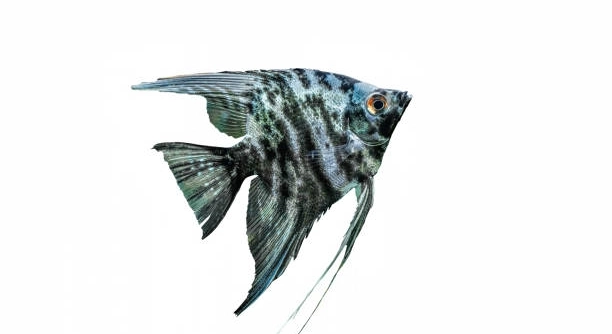
Angelfish are beautiful and peaceful aquarium companions. However, if your angelfish is consistently hiding in the same spot, you might wonder why this behavior is occurring and what it means for their health and well-being.
There are several reasons why an angelfish may hide in the same spot. Stress, illness, or environmental factors like water quality can lead to this behavior. Ensuring the right tank conditions, along with a stable environment, is essential for the fish’s health.
Understanding the possible causes will help you identify the issue and ensure your angelfish is happy and thriving. Keep reading to discover the seven common explanations behind this behavior.
1. Stress and Anxiety
Stress can affect your angelfish and cause them to hide in the same spot. Changes in the tank environment, like unfamiliar objects or loud noises, may increase their anxiety. When angelfish feel threatened, they often retreat to a safe place to feel secure. It’s essential to minimize stressors in the tank to create a peaceful environment.
Water quality is another significant factor. Poor water conditions, such as high levels of ammonia, nitrates, or pH imbalances, can be stressful for your fish. Regular water changes and testing can help maintain a healthy environment. Poor tank mates or an overcrowded tank can also contribute to your fish’s stress. Make sure your tank is the right size for the number of fish you have.
To reduce stress, provide hiding places where your angelfish can feel secure, but make sure these spaces are not too dark or confined. A calm environment with appropriate water conditions helps your angelfish feel safe and reduces the need to hide frequently.
2. Illness or Injury
Sometimes, an angelfish will hide due to illness or injury. Infected fish may seek out a quiet, dark area where they feel protected while they recover. Symptoms of illness can include clamped fins, discoloration, or lethargy. If your fish exhibits these signs, consider isolating them in a quarantine tank for observation and treatment.
Injuries, whether from tank mates or objects in the aquarium, may also cause hiding behavior. When injured, angelfish may instinctively hide to avoid further harm or predators. To help your fish heal, remove any sharp objects from the tank and monitor their condition closely.
In cases of illness, it is important to address the underlying cause promptly. Whether it’s a bacterial infection, parasites, or poor water quality, identifying the issue early can improve the chances of recovery.
3. Overcrowding in the Tank
Overcrowding can lead to hiding behavior in angelfish. When there are too many fish in the tank, they may feel territorial and stressed. This stress can cause your angelfish to seek out secluded areas to avoid conflict. It’s important to provide enough space for each fish to establish their own territory.
If your angelfish is hiding and you suspect overcrowding, consider reducing the number of fish or upgrading to a larger tank. A more spacious environment will help your fish feel less stressed and prevent territorial disputes. Additionally, ensure that each fish has enough space to swim freely without feeling threatened by others.
Proper tank maintenance is also vital when dealing with overcrowding. Regular water changes will help ensure clean water and reduce stress caused by poor conditions. This can help alleviate hiding behavior, especially when combined with a lower fish density.
4. Lack of Proper Hiding Places
Angelfish may hide in the same spot if there aren’t enough hiding places in the tank. These fish enjoy having a secure place to retreat to when they feel threatened. Without proper hiding spots, they may choose an area that feels safe, even if it’s not ideal for them.
To provide better hiding spots, add plants, rocks, or decorations that allow your angelfish to feel more comfortable. Make sure the hiding places are accessible but not too cramped. The goal is to create a balanced environment with areas of shade and shelter without overcrowding the tank.
By offering more hiding spaces, you’ll give your angelfish the opportunity to retreat when necessary. This can reduce stress and encourage more natural behavior. Just ensure the hiding spots are clean and spacious enough to allow your angelfish to move freely.
5. Poor Water Quality
Angelfish are sensitive to poor water quality. When ammonia, nitrates, or nitrites build up in the tank, your fish may hide as a sign of discomfort. Monitoring water parameters regularly can help prevent this issue. If you notice your fish hiding often, check the water for imbalances and address them.
Frequent water changes and proper filtration can help keep the water clean and safe. Avoid overfeeding your fish, as leftover food can pollute the water quickly. A proper water testing kit is a must to monitor parameters like pH, temperature, and hardness to ensure they stay within the optimal range.
6. Breeding Behavior
During breeding, angelfish may exhibit different behavior, including hiding. The female angelfish may seek out secluded spots to lay eggs, while the male will guard them. This instinctual behavior is natural and should not be a cause for concern unless it becomes excessive or leads to aggression between tank mates.
Breeding can also stress angelfish, leading them to retreat and seek a sense of security. If you have both male and female angelfish in the same tank, it’s common for them to hide when preparing to spawn. They may spend time in dark corners or behind plants, away from potential disturbances. This behavior is temporary, and once the eggs are laid, they often return to normal.
7. Underfeeding or Malnutrition
Underfeeding or malnutrition can cause your angelfish to hide. If they are not receiving enough food, they may feel weak and less active. Insufficient nutrition can also affect their immune system, making them more susceptible to illness. Providing a balanced diet with the right amount of food is essential for their well-being.
Over time, an underfed angelfish will grow lethargic and may start hiding more often. It’s important to feed them high-quality food that includes both protein and plant matter. If your angelfish appears to be hiding and not eating, consider increasing the frequency of feeding or adjusting the food provided.
FAQ
Why is my angelfish hiding all the time?
If your angelfish is hiding frequently, it could be due to stress, illness, or environmental issues. Stressors like sudden changes in water temperature, loud noises, or aggressive tank mates can make your fish feel unsafe. Poor water quality, overcrowding, or lack of hiding spots can also contribute to this behavior. If you notice consistent hiding, check the water parameters and ensure they are within the ideal range for angelfish. Regular water changes and providing hiding places can help reduce stress.
How can I make my angelfish stop hiding?
To help your angelfish feel comfortable and reduce hiding, focus on creating a stable and peaceful environment. First, check the water quality regularly and perform water changes to maintain a healthy tank. Ensure the tank has enough hiding spots, such as plants and rocks, but not too many that your fish feel trapped. Avoid overcrowding, and make sure your tank mates are compatible. Lastly, try to minimize stressors by keeping the environment calm and consistent. If hiding persists, check for signs of illness and consider isolating the fish for treatment if necessary.
How do I know if my angelfish is sick?
A sick angelfish may exhibit various symptoms, such as faded color, clamped fins, lethargy, or erratic swimming. Other signs of illness include swollen abdomen, spots or lesions on the body, rapid gill movement, or rubbing against objects. If your fish is hiding and showing any of these symptoms, it’s important to act quickly. Quarantine the affected fish, improve water quality, and consult a vet or aquarium expert to identify and treat the illness.
Can angelfish hide because of aggression from other fish?
Yes, angelfish may hide if they are being harassed by more aggressive tank mates. Angelfish are relatively peaceful, but they can be bullied by territorial or aggressive species. If the aggression becomes too much, your angelfish may seek out a secluded spot to avoid conflict. Make sure to choose tank mates that are known to be peaceful and avoid overstocking the tank. Providing plenty of hiding places can also give your angelfish a retreat from aggressive fish.
Is it normal for angelfish to hide after being introduced to a new tank?
Yes, it is normal for angelfish to hide after being introduced to a new tank. Like many fish, angelfish can be stressed by changes in their environment. New tank setups can be overwhelming, and your fish may seek out a quiet, secure space to adjust to their surroundings. Give your angelfish time to acclimate to the new environment. During this period, make sure the water quality is optimal, and ensure the tank conditions are stable.
What water temperature is best for angelfish?
Angelfish thrive in water temperatures between 76°F and 82°F (24°C to 28°C). Consistent temperature is important for their well-being. If the water is too cold, they may become lethargic, and if it’s too warm, it could stress them out or lead to rapid bacterial growth in the tank. Use a reliable heater to maintain the correct temperature range, and monitor the water regularly to ensure stability.
How often should I feed my angelfish?
Angelfish should be fed two to three times a day. It’s important to provide small portions of high-quality food, such as pellets, flakes, or live food, in amounts they can consume within a few minutes. Overfeeding can lead to poor water quality, so always remove any uneaten food after feeding. A varied diet of protein and plant matter will ensure your angelfish remains healthy.
Can I add other fish with my angelfish?
Yes, but be careful when choosing tank mates. Angelfish do well with other peaceful species like tetras, rasboras, and certain types of gouramis. However, they may become territorial or aggressive toward smaller fish, especially during breeding periods. Avoid housing them with overly aggressive species or small, fin-nipping fish, as these can stress out your angelfish. Always research compatibility before adding new fish.
How do I prevent my angelfish from getting stressed?
To prevent stress in angelfish, provide a stable tank environment with consistent water parameters. Ensure there is enough space for swimming, and avoid overcrowding the tank. Offer hiding spots for security and place the tank in a quiet area, away from heavy traffic or loud noises. Regular water changes, proper filtration, and avoiding sudden changes in temperature will also help keep your angelfish stress-free.
What should I do if my angelfish is acting lethargic?
Lethargy in angelfish can indicate stress, illness, or poor water quality. First, check the water parameters to ensure they are within the optimal range. If the water is fine, observe the fish for any signs of illness, such as unusual swimming patterns, loss of appetite, or visible sores. If you see any concerning symptoms, isolate the fish in a quarantine tank and treat accordingly. Also, ensure the tank conditions are calm, and there are no aggressive tank mates.
Final Thoughts
Angelfish are beautiful and relatively peaceful creatures, but their behavior can sometimes be puzzling, especially when they hide in the same spot for extended periods. Understanding the reasons behind this behavior is important for ensuring their well-being and providing a healthy, stress-free environment. Whether it’s due to stress, illness, or other environmental factors, recognizing the cause of your angelfish’s hiding behavior allows you to address it properly and keep your fish comfortable.
Creating a balanced and stable aquarium environment is crucial for angelfish. Maintaining clean water, ensuring proper filtration, and monitoring the temperature are key factors that can prevent many common issues. Additionally, providing plenty of hiding spots and ensuring that tank mates are compatible can reduce stress and help your angelfish feel secure. While it’s normal for fish to hide occasionally, especially in the face of changes in their environment, consistently hiding or becoming reclusive could be a sign that something is wrong.
Ultimately, the key to a thriving angelfish tank is careful attention to their needs and habits. Regular water checks, proper feeding, and creating a calm, peaceful environment will go a long way in making your angelfish feel at ease. If your angelfish continues to hide despite addressing these factors, it may be time to consult a professional or aquarium expert to rule out any potential health issues. Keeping a close eye on their behavior and acting quickly when something seems off will help ensure that your angelfish remains healthy, active, and happy in your aquarium.

Hello,
If you enjoy the content that we create, please consider saying a "Thank You!" by leaving a tip.
Every little bit helps us continue crafting quality advice that supports the health, happiness, and well-being of pets around the world, for pets of all shapes, sizes, and species.
We really appreciate the kindness and support that you show us!