
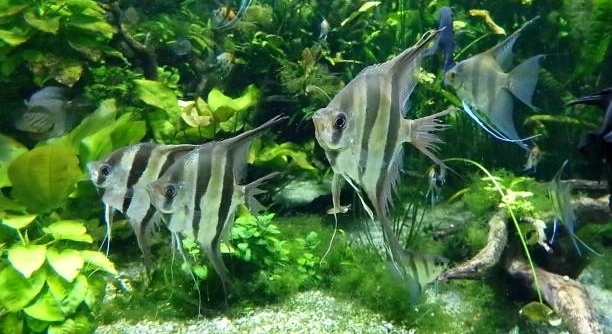
Angelfish are beautiful, graceful creatures that often captivate aquarium owners. If you’ve noticed your angelfish always facing the same direction, you might be curious about what’s going on. There are a few possible explanations.
The behavior of your angelfish facing the same direction can stem from various factors. It might be related to natural habits, environmental conditions, or even health issues. Understanding these possibilities will help you interpret your fish’s actions more accurately.
Understanding these factors will not only help you address the behavior but also ensure your angelfish’s well-being in the long run.
The Influence of Tank Setup on Angelfish Behavior
The environment in which your angelfish lives can greatly influence its behavior. Factors like the size of the tank, placement of decorations, and water quality all play a role. Angelfish tend to favor certain areas of the tank that provide comfort and security. If your angelfish faces the same direction, it might be due to the arrangement of tank decorations or how the water flows. For example, if there is a plant or structure in one spot, your fish may find it safer to orient themselves in a specific direction. Similarly, water currents can cause fish to position themselves facing a current for stability or ease.
Creating a balanced tank setup is key. Ensure that your angelfish has plenty of space to swim freely and that there are no obstructions in its path. Proper filtration and water movement can also contribute to a more natural and comfortable environment.
A well-planned tank setup helps ensure your angelfish can engage in natural behaviors. This reduces stress and promotes healthier, more active fish. By maintaining optimal water conditions and arrangement, you may notice changes in your angelfish’s behavior, including more variety in its swimming patterns.
Fish Health and Facing the Same Direction
Angelfish may face the same direction if they are feeling stressed or unwell. Illness, such as parasites or internal infections, can cause them to behave unusually. Fish tend to limit their movements when they’re not feeling well, which may result in them staying in one spot, facing the same direction.
A sick angelfish may show other signs of distress, such as a loss of appetite, faded color, or clamped fins. If your angelfish exhibits these symptoms, it’s important to address the issue immediately. Make sure the water quality is optimal, and consider seeking advice from a veterinarian specializing in fish.
When an angelfish is healthy, it should swim more freely and explore different areas of the tank. If the behavior continues for an extended period despite proper care, it’s crucial to investigate further. Ensuring a proper diet and the right environment can help your angelfish recover and resume its usual behavior.
Natural Behavior and Instincts
Angelfish are naturally inclined to face certain directions due to their instincts. In the wild, they may position themselves to avoid predators or to follow food sources. This behavior can carry over to captive environments, leading them to face the same direction.
Angelfish often position themselves near tank walls or corners, areas that provide a sense of security. This positioning may be a natural reaction to feeling threatened or seeking shelter. While this behavior can be normal, it’s important to monitor any other signs of distress. A properly maintained tank will allow your angelfish to display more natural movement.
Angelfish also tend to face the current in the water. If there’s a strong flow in one area of the tank, your fish may naturally orient themselves to face the direction of the current for stability. This is a typical behavior and should not cause concern unless other issues arise.
Water Temperature and Angelfish Behavior
Water temperature plays a significant role in your angelfish’s behavior. If the water is too cold, angelfish may become lethargic and face the same direction. Proper temperature range for angelfish is between 76°F and 82°F.
Cold water can slow down their movements, making them less active. This may result in your angelfish staying in one spot, facing the same direction. Ensure your aquarium heater is functioning properly to maintain a stable temperature.
Angelfish are more likely to exhibit normal swimming patterns when their water temperature is consistent and within the ideal range. Avoid sudden temperature changes, as they can stress the fish.
Water Quality and Angelfish Movement
The quality of the water in your tank directly impacts your angelfish’s behavior. Poor water conditions, such as high ammonia or nitrite levels, can cause your fish to behave unnaturally. If the water quality is compromised, your angelfish may become stressed and less active, often facing the same direction.
Maintaining proper filtration and performing regular water changes is essential to keep your fish healthy. In addition to keeping ammonia and nitrites in check, ensure your pH and hardness levels are appropriate for angelfish. Test your water regularly to avoid sudden changes that could cause stress.
When your angelfish is kept in clean, well-maintained water, it will have more energy to swim freely and explore its surroundings. This also promotes natural, varied behaviors. Be mindful of the water quality and make adjustments as needed to support your angelfish’s well-being.
Tank Mates and Angelfish Behavior
Angelfish are territorial creatures and may face the same direction if they are trying to avoid confrontations with tank mates. If the tank is overcrowded or contains aggressive fish, your angelfish may adopt defensive behavior.
Providing ample space and proper hiding spots is essential for maintaining peace in the tank. If you notice your angelfish staying in one spot and facing the same direction, it might be due to a need for personal space. It’s best to avoid aggressive tank mates, as this can cause stress and limit your fish’s movement.
FAQ
Why does my angelfish face the same direction?
Angelfish may face the same direction for several reasons. It could be related to their instinctual behaviors, environmental factors like water flow, or health issues. Fish naturally position themselves to stay safe or face a current, both in the wild and in captivity. However, if they remain stationary or show signs of stress, it’s a good idea to check water quality, temperature, and tank mates.
Can angelfish stay in one spot for too long?
Yes, angelfish can stay in one spot for extended periods, particularly if they are stressed or unwell. If the tank setup is not optimal, the fish might feel unsafe or confined. Angelfish tend to be more active when the tank offers enough space and suitable hiding spots. If the fish stays in one place constantly, it could be a sign of poor water quality, illness, or an unsuitable tank environment.
Do angelfish prefer to face a current?
Angelfish are often seen facing a water current. This is a natural behavior as they tend to position themselves in line with the flow for stability. In the wild, they may use currents to help them move more efficiently through the water. In a tank, if there is a filter or water movement, your angelfish might orient themselves in the direction of the current.
How do water temperature changes affect my angelfish?
Angelfish are sensitive to temperature changes. Water that is too cold can make them sluggish, causing them to stay in one spot and face the same direction. Ideally, angelfish should be kept in water between 76°F and 82°F. Sudden drops or rises in temperature can cause stress and potentially lead to health issues. Always ensure the temperature is stable by using a reliable heater.
Can angelfish show signs of illness by facing the same direction?
Yes, facing the same direction or staying in one place can sometimes indicate illness. When angelfish are not feeling well, they may reduce their activity level and remain stationary. Common signs of illness include faded coloration, clamped fins, and loss of appetite. If you notice these symptoms along with the behavior of facing the same direction, check for any potential health issues and consult a veterinarian if necessary.
How does tank size impact angelfish behavior?
Tank size plays a big role in your angelfish’s behavior. Angelfish need adequate space to swim freely and establish territories. If the tank is too small, your fish may feel cramped and could exhibit unusual behaviors like staying in one spot or facing the same direction. Ensure your tank is large enough to accommodate the size and needs of your angelfish for better overall health and activity.
Can aggressive tank mates cause angelfish to face the same direction?
Yes, aggressive tank mates can cause angelfish to display defensive behaviors, including facing the same direction to avoid confrontation. Angelfish are territorial and can become stressed if they feel threatened by other fish. To prevent this, choose peaceful tank mates that won’t bully or crowd your angelfish. Providing plenty of hiding spots can also reduce stress and help your angelfish feel secure.
What are the signs of a stressed angelfish?
Stress in angelfish can show up in various ways. Common signs include staying in one spot, facing the same direction, or swimming erratically. Other indicators include clamped fins, rapid gill movement, loss of color, and hiding more often than usual. Stress can be caused by poor water quality, overcrowding, aggressive tank mates, or improper tank conditions.
How do I improve my angelfish’s environment?
To improve your angelfish’s environment, start by ensuring the water quality is optimal. Perform regular water changes, use a good filtration system, and check for ammonia, nitrites, and pH levels. Additionally, offer plenty of space for swimming and consider adding plants or decorations for hiding spots. Maintaining stable water temperature is also crucial. Reducing overcrowding and choosing compatible tank mates will help minimize stress and improve your angelfish’s overall well-being.
Why is my angelfish staying at the bottom of the tank?
Angelfish staying at the bottom of the tank can be a sign of several issues. It could be related to water quality problems, stress, or illness. If the water is too cold or if there’s insufficient oxygen at the surface, the fish may spend more time near the bottom. Check the water parameters, temperature, and ensure that the fish have enough space and hiding spots. Illness, such as a parasite or internal infection, can also cause this behavior.
Do angelfish need companions or can they be kept alone?
Angelfish are social creatures, but they can be kept alone if necessary. However, they will be happier with compatible tank mates. If kept alone, they may become more territorial or stressed. Having other peaceful fish can help them feel more secure and engaged, though they should have enough space for each fish to have its own territory.
Can I adjust the water flow to help my angelfish?
Yes, adjusting the water flow can help your angelfish. If the flow is too strong, angelfish may become stressed and spend more time in a single direction or stationary. If it’s too weak, the fish may not feel stimulated enough. Aim for a moderate water flow that allows the angelfish to swim comfortably while still facing natural currents. Adjusting your filter or water pump can help strike the right balance.
Final Thoughts
Angelfish are fascinating creatures with distinct behaviors that can sometimes leave owners wondering about their actions. One common behavior is staying in one spot and facing the same direction, which can be influenced by several factors. Water temperature, water quality, tank mates, and even the flow of water in the tank can all play a role in how active or stationary your angelfish becomes. Understanding these factors is essential for maintaining a healthy and happy aquarium environment.
If you notice your angelfish staying in one position for an extended period, it’s important to first assess the tank conditions. Check the water quality, temperature, and the general health of your fish. Poor water quality, like high ammonia levels or incorrect pH, can cause stress and lead to unusual behaviors. Similarly, extreme temperatures, whether too hot or cold, can make your angelfish lethargic. Regular maintenance, including water changes and keeping the tank at the proper temperature, will help prevent such issues.
Additionally, it’s crucial to consider the other fish in the tank. Angelfish are territorial and can become stressed if they are crowded or have aggressive tank mates. Ensuring your angelfish has enough space to swim and establish its territory can prevent behavior that seems unusual, such as staying stationary and facing the same direction. By creating an environment that caters to their natural instincts, your angelfish will be more likely to exhibit normal, healthy behaviors.

Hello,
If you enjoy the content that we create, please consider saying a "Thank You!" by leaving a tip.
Every little bit helps us continue crafting quality advice that supports the health, happiness, and well-being of pets around the world, for pets of all shapes, sizes, and species.
We really appreciate the kindness and support that you show us!