
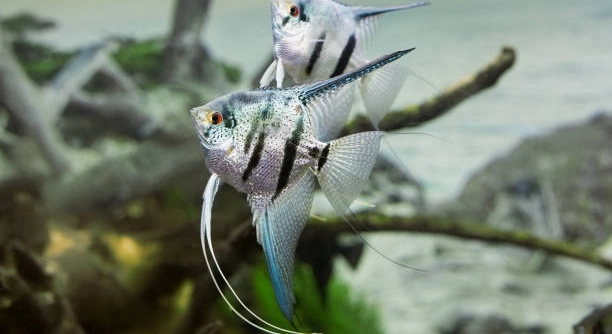
Do you ever find yourself worried when your angelfish starts acting out after the lights go out at night?
Angelfish can become aggressive at night due to a combination of stress, territorial instincts, poor lighting conditions, or disruptions in their environment, which can heighten their natural defensiveness during low-visibility periods.
Several possible reasons might be behind this nighttime behavior, and understanding them can help keep your tank peaceful and your fish happy.
Territorial Behavior After Dark
Angelfish can be very territorial, especially when they feel unsure about their surroundings. During the day, they often rely on light and visual cues to navigate and manage their space. But at night, everything changes. Darkness can make them feel more threatened or insecure. This can lead them to lash out at tank mates they would normally ignore. If your angelfish shares its space with others, especially in a crowded tank, nighttime might trigger this territorial response. It doesn’t mean your fish is mean or broken—it’s just reacting to changes in its environment. You may notice this behavior more if your angelfish has recently been moved, introduced to new tank mates, or experienced a change in lighting schedule. Sudden darkness, without a gradual dimming, may also stress them out more than a natural shift from day to night.
Their instincts often kick in once visibility drops.
To reduce this behavior, try installing dim lighting that gradually fades. Also, ensure your tank has hiding spots and enough room for each fish to have its own area. Stress-reducing products like water conditioners or adding plants can also help. Observing your fish closely at night can give you clues about what might be triggering the aggression. Each angelfish is different, so try adjusting one thing at a time and see how they respond. Some aquarists also report that keeping a low-light night cycle, instead of total darkness, leads to calmer fish behavior overall. With a little patience, your angelfish can feel safer and act more relaxed—even after the lights go out.
Changes in Light and Sleep Patterns
Bright lights being turned off too suddenly can confuse your angelfish. They need time to adjust from light to dark gradually.
In their natural habitat, light fades slowly at dusk, which signals rest and calm. But in a tank, lights often go from bright to dark instantly. This can startle your angelfish, leaving them confused or anxious. They may act out during this time, either from fear or the need to protect their space. Adding a dim light that stays on for a short time after the main lights go off can help mimic a more natural transition. Also, try to keep a regular schedule. Sudden changes in the timing of your tank lights can interrupt their internal clock. If they don’t get a consistent rest cycle, they may become more aggressive or restless during the night. Keeping things steady and predictable will help your angelfish feel more secure. It’s a simple step that can make a big difference.
Lack of Hiding Spots or Shelter
Angelfish need places to retreat when they feel threatened or overwhelmed. Without enough hiding spots, they may become more aggressive at night when they feel vulnerable or exposed.
In the wild, angelfish have plenty of natural cover to help them feel safe. In a tank, decorations like plants, caves, and driftwood can help create similar shelter. When the tank feels open and bare, especially in low light, angelfish may panic or become defensive. This often leads to chasing or nipping at other fish. Providing enough hiding spots helps reduce stress and gives your angelfish a chance to calm down. Each fish should have at least one space where it can retreat without being disturbed. Even artificial plants can help create boundaries and make the tank feel more secure to them. The more comfortable they feel, the less likely they are to act out.
Angelfish also use visual barriers to establish their own space. If the tank doesn’t offer enough structure, they might see other fish as invaders. Rearranging your tank to create sections or “zones” can help reduce tension, especially at night. Try placing tall plants or rocks between open swimming areas. This breaks up line-of-sight and reduces direct confrontations. Sometimes, aggression comes from fish constantly seeing each other and feeling challenged. A well-decorated tank helps simulate a more natural environment and gives your fish more freedom to move without clashing. It’s a simple fix that can make nighttime much calmer in your aquarium.
Stress from Daytime Interactions
Tension built up during the day can carry over into nighttime. If your angelfish is already stressed by its tank mates, this can make them more aggressive once the lights go out.
Angelfish are sensitive to social dynamics. If there’s bullying, overcrowding, or food competition during the day, it doesn’t just go away at night. In fact, stress often increases after dark when visibility is low, and the fish feel more on edge. If one fish has been pushed around all day, it may finally snap and fight back once the tank is quiet. Or, a dominant angelfish might get bolder when it senses less movement around it. That’s why it’s important to observe how your fish behave during feeding and active hours. If there’s tension or chasing during the day, it’s likely part of the problem. Reducing this stress early can stop things from getting worse at night.
To help, feed your fish in multiple spots to reduce competition. Make sure the tank isn’t overcrowded and that each angelfish has enough room to swim and hide. It also helps to choose tank mates carefully. Avoid pairing angelfish with fin-nippers or overly active species. Stress builds up quickly in tight or chaotic environments. Try to keep the tank as peaceful and balanced as possible. If one fish keeps getting picked on, consider rearranging the tank or moving fish around. You might also try introducing new hiding places to break patterns of chasing. A calm day usually leads to a calm night.
Breeding Behavior Triggered at Night
Breeding instincts can cause angelfish to act more aggressively, especially during quiet nighttime hours. If they are preparing to spawn or guarding eggs, they may chase off any fish that come too close to their chosen spot.
Even without eggs present, angelfish sometimes display territorial breeding behavior. This can include fin flaring, nipping, and guarding certain areas in the tank.
Reflection and Tank Glass Confusion
At night, lighting conditions can cause angelfish to see their own reflection in the tank glass. They may mistake it for another fish and react aggressively toward it. This happens more often when tanks are lit from certain angles or have dark backgrounds that increase reflectivity.
To reduce this issue, try adjusting the tank lighting or placing a background behind the glass. Adding more plants or decorations along the edges of the tank can also help break up reflections. If your angelfish seems to be attacking one side of the tank repeatedly at night, it might just be reacting to its own image. This kind of confusion can lead to unnecessary stress and aggressive behavior. Small changes in lighting and tank layout can often solve the problem.
Hunger or Uneven Feeding Schedules
When angelfish don’t get enough to eat during the day, they may become more aggressive at night, especially if food competition is already an issue.
FAQ
Why does my angelfish only act aggressive at night and not during the day?
Nighttime often creates a more stressful environment for angelfish due to lower visibility and the absence of normal daytime cues. Without light, they can feel exposed, confused, or more defensive. During the day, visual boundaries and routine activity help them stay calmer. But once the lights go off, their instincts to protect territory or react to unclear movements kick in more strongly. If there are unresolved tensions or a lack of space and shelter, those issues tend to surface more clearly at night.
Can tank lighting really affect my angelfish’s behavior that much?
Yes, lighting plays a huge role in how angelfish behave. Sudden changes in brightness, too much reflection, or total darkness can stress them out. Angelfish prefer consistency, and even the way light fades can impact how secure they feel. Using a dimmer or a light with gradual transitions helps them wind down more gently, instead of reacting to an instant blackout. You may also want to experiment with keeping a low night light or background glow to reduce panic or aggressive reactions.
Is it okay to keep angelfish in a completely dark room at night?
A completely dark room can make angelfish anxious, especially if they aren’t used to it. In their natural environment, darkness comes gradually, not all at once. While total darkness isn’t always harmful, some angelfish react badly to it if they’ve been raised in tanks with consistent low lighting. If you notice nighttime aggression after switching to full darkness, try adding a soft light for a short period or using ambient room light as a buffer.
How can I tell if aggression is related to breeding behavior?
Breeding aggression usually looks different from regular territorial aggression. If you notice your angelfish cleaning a surface, guarding a spot, or chasing away only specific fish, breeding might be the reason. Pairs often become more aggressive when preparing to spawn or after laying eggs. You’ll see them guarding a part of the tank more strictly, and they may act fine toward each other but chase others away. This behavior can continue for days or weeks and may come and go with their breeding cycle.
Will adding more fish help reduce aggression at night?
Adding more fish usually makes things worse unless done with careful planning. Overcrowding increases stress, which can lead to more aggression. If you’re thinking about adding tank mates to “spread out” aggression, make sure the tank is large enough and well-structured. It’s better to focus on improving territory layout, adding hiding spots, and managing light conditions before introducing new fish. Only add more fish if you’re confident your current setup can support it peacefully.
Do angelfish need to sleep? Could poor sleep cause aggression?
Yes, angelfish do rest, and just like any animal, poor sleep can make them irritable. If your tank has bright lights on too long, or there’s a lot of nighttime disturbance, your angelfish may not get proper rest. Over time, this can lead to stress and unusual behavior, including aggression. Keeping a regular light schedule and providing a quiet environment can help them sleep better and stay calm overnight.
Can feeding them at night stop aggression?
Feeding at night won’t usually stop aggression unless hunger is the main issue. If you suspect food competition is causing tension, try spreading out feeding spots during the day or offering small snacks shortly before lights go off. However, most fish should not be fed right before bed consistently, as uneaten food can rot and lower water quality. Focus on balanced feeding earlier in the day and make sure no fish are being left out.
Should I separate my angelfish if the aggression gets worse?
If your angelfish is injuring other fish or showing extreme aggression every night, it might be best to separate them temporarily. Use a tank divider or a breeding box as a short-term solution. While separation isn’t ideal long term, it can help calm things down while you adjust the environment. Look into the cause of the aggression—whether it’s lighting, territory, stress, or tank mates—and make changes before reintroducing them.
Final Thoughts
Nighttime aggression in angelfish can feel confusing at first, especially when everything seems fine during the day. But in most cases, there’s a reason behind it. Changes in light, stress, hunger, or breeding instincts can all make your angelfish act out after dark. The tank environment plays a big role in how your fish behaves. Small things like sudden darkness, poor layout, or limited hiding spots can make your angelfish feel uneasy. They respond to these triggers by becoming more defensive or aggressive. By learning what your fish needs, you can start to reduce the behavior and make the tank feel safer.
It’s important to watch your angelfish closely and look for patterns. Think about how they act before and after lights go off. Are they guarding a spot? Chasing the same tank mate? Do they look stressed or panicked when the lights change? These clues can help you figure out what’s bothering them. Try not to change everything at once. Start by fixing one thing—like adding more plants or adjusting the lighting schedule—and see how they respond. Every angelfish is a little different, and what works for one might not work for another. Be patient and give them time to adjust to changes in their environment.
Creating a calm, comfortable tank is the best way to reduce nighttime aggression. Make sure your angelfish have space, shelter, a consistent light cycle, and a peaceful group of tank mates. If they feel secure during the day, they’re more likely to stay relaxed at night. It’s also helpful to keep a routine. Feed them at regular times, avoid overcrowding, and keep the tank clean. Over time, small improvements can make a big difference in their behavior. While it can be frustrating to deal with aggression, it’s often a sign that something isn’t quite right in the tank. Once you figure out what that is, your angelfish will have a better chance at staying calm, even after the lights go out.

Hello,
If you enjoy the content that we create, please consider saying a "Thank You!" by leaving a tip.
Every little bit helps us continue crafting quality advice that supports the health, happiness, and well-being of pets around the world, for pets of all shapes, sizes, and species.
We really appreciate the kindness and support that you show us!