
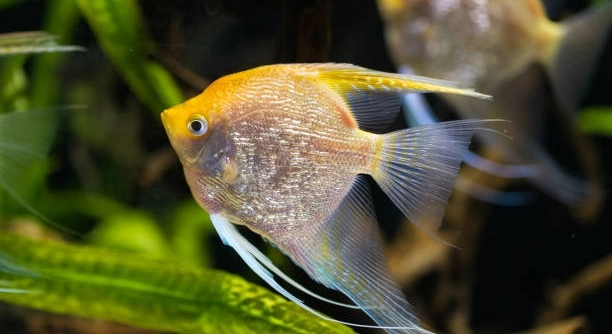
Angelfish are popular in home aquariums, but sometimes, they can act shy or withdrawn. If your angelfish seems more reserved than usual, it might be due to a variety of factors affecting its behavior.
Angelfish may appear shy for several reasons, such as environmental changes, illness, or stress. The presence of other fish, water quality, or even lighting could also play significant roles in altering their behavior.
Understanding the possible causes behind this behavior can help you provide a better environment for your angelfish. Keep reading to learn more about the factors that could be influencing your fish’s change in demeanor.
Changes in Water Quality
Water quality is one of the most common reasons your angelfish may become shy. Fish are very sensitive to their environment, and even small changes in the water can stress them out. Poor water conditions can make your fish feel unsafe and cause them to hide. If the water is too warm or too cold, or if there is too much ammonia or nitrites, your angelfish might show signs of discomfort by staying out of sight.
It’s essential to keep the water in your tank clean and properly balanced. Regular water changes and using a water testing kit can help ensure the tank stays at ideal conditions. Angelfish thrive in water with a temperature of 76°F to 82°F and a pH level between 6.5 and 7.5. If the water gets too dirty, fish may become lethargic, stressed, or avoid being around other tank mates.
In addition to water quality, check the filtration system. A weak filter can fail to keep the water clear, leading to debris or harmful substances building up. If you haven’t been maintaining the water properly, this might be the first area to address.
Illness and Stress
When fish feel sick or stressed, they may hide. Illness can lead to lethargy, loss of appetite, and a change in behavior, such as acting shy. Fish are good at hiding discomfort.
Stress can be caused by several things, like overpopulation in the tank, bullying from other fish, or sudden changes in the environment. Keep an eye on your angelfish’s body for any signs of illness, such as white spots, faded colors, or abnormal swimming patterns. Stressful situations can lead to a more timid attitude, making your fish seek out hiding places in the tank. Proper tank management and peaceful tank mates are essential to maintaining a stress-free environment for your fish.
Lighting Changes
Lighting in the aquarium can greatly affect your angelfish’s behavior. If the lights are too bright, your fish might feel threatened and retreat to darker areas of the tank. Angelfish naturally prefer softer, more diffused lighting, which mimics their natural habitat. If you’ve recently adjusted the tank’s lighting, your fish may be reacting to that change.
Consider reducing the intensity of your aquarium lights or adding plants and decorations to provide shaded areas. Dimmer lights help angelfish feel secure and less exposed. If the lighting is too harsh, try adjusting the time the lights are on, or add a light filter. Maintaining the right lighting is key to keeping your fish comfortable.
If your angelfish has been exposed to lighting that is too bright for a long period, it may lead to stress, causing them to act more timid. Ensure the light schedule is consistent and doesn’t overwhelm your fish. This will make them feel safe and reduce shy behavior.
Aggressive Tankmates
Aggressive fish can create a stressful atmosphere that makes your angelfish retreat or hide. If there are more dominant or territorial fish in the tank, your angelfish might act shy or overly cautious. This behavior is a response to being intimidated or harassed.
Certain species, like cichlids or bettas, can sometimes bully more peaceful fish. This could cause your angelfish to feel threatened and choose to stay in hiding. Keep a close eye on the dynamics between your fish to ensure there isn’t any bullying taking place. If you notice aggression, it may be time to separate the more aggressive fish.
Another approach is to add plants and tank decorations to provide hiding spots for your angelfish. These spaces will give your fish a safe place to retreat to if they feel stressed. By managing tankmates carefully and keeping the peace, your angelfish will feel more comfortable in the tank.
Overcrowding in the Tank
Overcrowding can cause stress and make your angelfish feel insecure. If there are too many fish in your aquarium, it can lead to competition for space and resources, which causes anxiety. When fish are stressed, they often become shy and retreat into corners.
To resolve this, make sure your tank is appropriately sized for the number of fish you have. Each angelfish needs ample space to swim and explore. By reducing the number of fish or upgrading to a larger tank, you can help create a more peaceful and comfortable environment.
Water Temperature
Changes in water temperature can cause discomfort for your angelfish. If the water is too cold or too hot, your fish may become lethargic or shy. Fish are very sensitive to temperature fluctuations and may hide if they are not comfortable.
Maintaining a stable water temperature between 76°F and 82°F is essential. A heater with a thermometer can help keep the water within the ideal range. Avoid drastic changes in temperature, as this can stress your fish further. A consistent environment helps keep your angelfish calm and comfortable.
Poor Diet
Feeding your angelfish an imbalanced or poor diet can affect its behavior. If your fish isn’t getting the right nutrients, it might become weak or less active, leading to shy behavior. A proper diet helps maintain energy levels and overall health.
Make sure you are offering a varied diet that includes high-quality flakes, pellets, and occasional live or frozen foods. Proper nutrition strengthens your fish’s immune system and can prevent illness, which may cause shyness. Healthy fish are more likely to swim confidently and interact with other tank mates.
FAQ
Why is my angelfish hiding all the time?
Angelfish may hide due to stress, poor water quality, or aggression from other tank mates. If the environment isn’t ideal, they often retreat to safer spots. Try checking the water parameters, ensuring the tank isn’t overcrowded, and observing any aggressive behavior from other fish. Providing hiding places with plants or decorations can also help your angelfish feel more secure.
Can angelfish become shy if they’re not feeling well?
Yes, illness can make angelfish act more shy. Fish that are sick often hide to avoid being seen and may lose their appetite. Check for signs of illness like faded colors, white spots, or abnormal swimming patterns. If you suspect your fish is sick, isolating it in a quarantine tank and adjusting water conditions can help.
Is the tank size affecting my angelfish’s behavior?
Yes, the size of the tank can significantly impact your angelfish’s behavior. If the tank is too small, your fish may feel cramped and stressed. This can lead to shyness and hiding. Ensure your tank is large enough for your angelfish to swim comfortably and avoid overcrowding. A tank of at least 20 gallons is recommended for a pair of angelfish.
Do angelfish get shy when they’re breeding?
Angelfish can become more territorial and shy during breeding. They may hide or become more protective of their eggs. During this time, they may also show changes in behavior, like guarding specific areas. If you notice this happening, avoid disturbing them too much, as it’s a natural part of their reproduction cycle.
What is the ideal water temperature for angelfish?
Angelfish prefer water temperatures between 76°F and 82°F. If the water is too cold or too hot, it can stress the fish, making them act more shy or lethargic. Use a reliable aquarium heater to maintain a stable temperature, and avoid sudden fluctuations to keep your angelfish calm.
How does lighting affect my angelfish’s behavior?
Angelfish prefer softer, diffused lighting. If the light is too bright or harsh, they may feel threatened and hide. This could cause your angelfish to become more withdrawn. To create a comfortable environment, use low to medium lighting and add plants or decorations to provide shaded areas where your angelfish can retreat if needed.
Can poor water quality make my angelfish shy?
Yes, poor water quality is a common reason for a shy angelfish. High levels of ammonia, nitrites, or nitrates can stress fish, causing them to become timid. Regular water changes and using a water test kit can help you monitor the water quality. Keeping the tank clean will help your fish stay healthy and less prone to stress.
How can I tell if my angelfish is stressed?
Stressed angelfish may exhibit signs like hiding, swimming erratically, or staying in the corners of the tank. They might also lose their appetite or display unusual swimming patterns. Watch for physical signs like faded colors or torn fins, which could indicate stress or illness. Addressing the root cause—whether it’s water quality, aggression, or other factors—can help reduce stress.
Can other fish in the tank cause my angelfish to be shy?
Yes, aggressive or dominant tank mates can stress your angelfish and cause them to become shy. Fish that chase or nip at angelfish can make them feel unsafe and retreat into hiding. If you notice aggressive behavior, consider moving the aggressive fish to a different tank or rearranging the aquarium to reduce territorial disputes.
What should I do if my angelfish is always hiding?
If your angelfish is always hiding, start by checking the water quality, temperature, and lighting. Ensure the tank isn’t overcrowded and that there are enough hiding spots or plants to make your angelfish feel secure. If none of these seem to be the issue, observe for signs of illness or stress and take action accordingly.
Final Thoughts
If your angelfish has been acting shy, it’s important to consider a few key factors. Environmental conditions, such as water quality, temperature, and lighting, can all play a role in how comfortable and confident your fish feels. Angelfish are sensitive creatures, and any sudden change in their environment, whether it’s the water chemistry or the presence of aggressive tank mates, can cause them stress and make them hide more often. Regularly checking water conditions and making adjustments can go a long way in making your fish feel at ease.
Another factor to keep in mind is the behavior of other fish in the tank. Angelfish can be shy by nature, but if they are being bullied or feel threatened by more dominant fish, they may choose to stay hidden. It’s crucial to ensure that all the fish in the tank get along, and there’s enough space for everyone. If you notice any signs of aggression or territorial behavior, it might be worth considering rearranging the tank or even moving more aggressive species to separate tanks. This can help create a more peaceful environment where your angelfish can swim comfortably.
Lastly, remember that your angelfish may simply be going through a phase of shyness due to changes in their life cycle or natural instincts. For example, during breeding season, angelfish may act more territorial and withdraw. In such cases, there is often little to worry about, and they will return to their usual behavior once the breeding process has finished. By monitoring their health, observing their interactions with other fish, and making the necessary environmental adjustments, you can ensure that your angelfish remains healthy, happy, and confident in its home.

Hello,
If you enjoy the content that we create, please consider saying a "Thank You!" by leaving a tip.
Every little bit helps us continue crafting quality advice that supports the health, happiness, and well-being of pets around the world, for pets of all shapes, sizes, and species.
We really appreciate the kindness and support that you show us!