
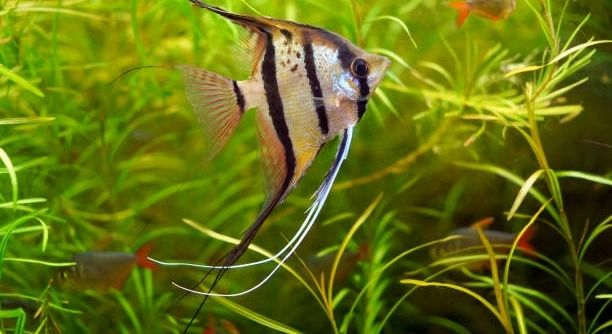
Angelfish are known for their graceful movements and vibrant colors, but when their behavior suddenly changes after the loss of a tankmate, it can leave you puzzled. Understanding what’s going on can help improve their well-being.
The death of a tankmate can cause your angelfish to act differently due to stress, changes in their social dynamics, or even mourning. The absence of a familiar companion may disrupt their routine and affect their overall behavior.
The reasons behind these changes are complex but understanding them can help you address your angelfish’s emotional and physical needs. Keep reading to explore the possible causes of these shifts and how to help them adjust.
Stress from the Loss of a Tankmate
When an angelfish loses a tankmate, it can experience stress. Fish are social creatures, and the presence of another fish can be reassuring. The loss can create a sense of emptiness or loneliness in the tank, which may cause changes in behavior. Angelfish might become less active, more hiding, or even more aggressive toward remaining tankmates. The sudden change in their environment can trigger these responses as they try to adjust to the new normal.
Even small disruptions in the tank’s dynamics can affect their emotional well-being. Fish are sensitive to changes in their surroundings, whether it’s the loss of a companion or changes in water conditions. Stress can negatively impact their immune system, making them more susceptible to illnesses. It’s important to pay attention to these signs and take action to reduce their stress levels.
Creating a stable, calm environment can help reduce stress. Monitor your angelfish’s behavior closely and provide a comfortable space where they can feel safe. Adding hiding spots or plants might help them feel more secure during this period of adjustment.
Changes in Tank Dynamics
The remaining fish may also feel the impact of losing a tankmate. They might start acting differently due to shifts in their relationships. Some fish, especially those that were once closely paired, may show signs of confusion or unease. This may lead to them becoming more territorial or less social with others.
A shift in hierarchy or dominance can occur when one fish’s absence alters the balance in the tank. Angelfish are territorial creatures, and without the presence of a former companion, they might start acting more aggressively toward other fish. It’s also possible for them to become more reclusive if they feel uncertain about their new position in the tank’s social structure.
It’s essential to keep a close eye on these changes. If you see aggression or significant isolation, it may be necessary to rearrange the tank or add new tankmates. This can help establish a fresh dynamic and offer the remaining fish some time to adjust to their new reality.
Possible Grieving Behavior
When an angelfish loses a tankmate, it may go through a grieving process. Though it’s not fully understood, fish may show signs of mourning. They might stop eating or become less active, which can mimic depression. This behavior is especially common if the tankmate had a close bond with the angelfish.
Grieving can cause a change in the angelfish’s routine, making it appear distant or disinterested in its surroundings. This might be a temporary phase that resolves on its own. However, prolonged signs of grief may require more attention. If your angelfish seems to be having a hard time adjusting, adding new tankmates or rearranging the tank might help. Be patient and try to monitor how it reacts to any changes.
Although fish can’t express emotions the way humans can, their reactions to loss are visible through behavioral shifts. If you notice these changes, it’s essential to create an environment that allows your fish to heal and adapt.
Water Quality and Stress
Changes in water quality can worsen your angelfish’s stress after the loss of a tankmate. Poor water conditions may already be causing stress before the death of the fish, but the loss might make your angelfish more sensitive to its environment. Any fluctuation in water parameters can lead to behavior changes.
Make sure the water temperature, pH, ammonia, nitrites, and nitrates are all within the proper range for angelfish. After a tankmate passes, it’s a good idea to do a water change and check for any imbalances. Clean the filter and test the water quality regularly to avoid additional stressors.
A stable, clean environment is essential for your angelfish to recover from the loss. It will allow the fish to focus on adjusting emotionally rather than worrying about water quality. Be diligent in keeping the tank in top condition to help your angelfish feel safe.
Impact of Tankmate Size and Species
The size and species of the tankmate that died can influence how your angelfish reacts. If the deceased fish was significantly larger or very social, it might leave a noticeable gap. The angelfish could become more anxious or withdrawn, especially if the deceased fish played a key role in their social behavior.
The loss of a larger or more dominant tankmate may cause the angelfish to adjust its behavior, either by becoming more dominant or more passive. Angelfish are territorial, and the absence of another species could shift the balance in the tank. They may seek a new role within the environment or feel insecure.
Understanding your angelfish’s relationship with the tankmate helps in predicting its reaction. Larger, more territorial tankmates may leave a bigger void, affecting your angelfish’s behavior for a longer period.
Overcrowded Tank
Overcrowding can also contribute to your angelfish’s stress after the loss of a tankmate. Without enough space to claim territory, angelfish can feel more vulnerable and anxious. An overcrowded tank can increase aggression, especially in times of change.
Ensuring the tank has enough space per fish is crucial for maintaining healthy behavior. A cramped environment can heighten stress and result in fights or isolation. Consider reducing the number of fish or rearranging the setup to offer your angelfish more room to adjust comfortably.
Temperature Fluctuations
Temperature fluctuations after a tankmate dies can also affect your angelfish’s behavior. A sudden drop or rise in temperature can stress the fish and make them more sensitive. It’s important to maintain a stable temperature to keep your angelfish calm.
Fish are highly sensitive to temperature changes, and an unstable environment can weaken their immune system. Ensure your tank has a reliable heater and thermometer to avoid these disruptions. A consistent temperature helps your angelfish focus on recovery rather than dealing with external stressors.
FAQ
Why is my angelfish hiding after the death of a tankmate?
Hiding is a common response when an angelfish experiences stress or grief. Losing a tankmate can leave your angelfish feeling vulnerable, as it might have relied on the deceased fish for companionship or security. Angelfish may seek out hiding spots in the tank to feel safe and recover from the stress. This behavior could be temporary, so try not to worry unless it lasts for an extended period. Providing plenty of plants, rocks, or other hiding spots can help your angelfish feel more secure.
Should I add a new tankmate to keep my angelfish company?
Introducing a new tankmate could help, but it’s important to consider your angelfish’s temperament and the new fish’s compatibility. If your angelfish seems very lonely or stressed, adding a companion might ease its anxiety. However, the new fish should be of similar size and temperament to avoid aggression. Give your angelfish some time to adjust before adding another fish, and ensure the new tankmate is a good fit for your tank’s conditions.
How do I know if my angelfish is stressed after losing a tankmate?
Signs of stress in angelfish include changes in behavior like lethargy, loss of appetite, hiding more than usual, or increased aggression. They may also appear more skittish or constantly darting around the tank. Physical signs, like faded colors or clamped fins, are also indicators of stress. If you notice these behaviors, consider checking the water quality and giving your fish some time to adjust. If stress persists, it might help to change the tank environment or introduce a new companion.
Can angelfish grieve the loss of a tankmate?
While it’s difficult to say if angelfish experience grief in the same way humans do, many fish show signs of altered behavior after the death of a companion. These signs, like reduced activity or a lack of interest in eating, could be interpreted as a form of mourning. Though this behavior may not be identical to human grief, it is still an indication that the fish is affected by the loss.
How long will it take for my angelfish to adjust after a tankmate dies?
The adjustment period varies from fish to fish. Some angelfish may return to their normal behavior in a few days, while others may take weeks to fully recover. Factors like the personality of the fish, the relationship with the deceased tankmate, and the overall environment will influence the recovery time. Be patient and monitor your angelfish closely, as it may need some time before returning to normal.
What should I do if my angelfish refuses to eat after the death of a tankmate?
If your angelfish refuses to eat, it could be a sign of stress, grief, or poor water conditions. First, check the water quality to make sure it’s within the appropriate range for angelfish. If the water quality is good, offer a variety of food to tempt the fish. You might try live food, such as brine shrimp, or frozen food, which can be more appealing. If the refusal to eat continues, it may be a sign that the fish is too stressed or unwell, and you should seek advice from an aquatic veterinarian.
Can temperature changes affect my angelfish after a tankmate dies?
Yes, temperature changes can increase stress for your angelfish. Fish are sensitive to fluctuations in water temperature, and a sudden change can make them more vulnerable to illness and affect their behavior. To avoid further stress, ensure that your tank’s temperature is stable and within the optimal range for angelfish (around 76-82°F or 24-28°C). Consistent conditions are key for helping your angelfish adjust after a loss.
Is it normal for my angelfish to become more aggressive after the death of a tankmate?
Yes, aggression can be a response to the change in the tank dynamics. If the deceased fish was a dominant presence, the angelfish may try to fill that role. It may become more territorial or aggressive toward the remaining fish. Additionally, if the angelfish is feeling stressed, it could act out aggressively as a way to protect itself. Monitoring the tank and keeping a close eye on the interactions between fish is important. If aggression continues, rearranging the tank or adding more hiding spaces may help reduce tension.
Should I rearrange the tank to help my angelfish adjust?
Rearranging the tank can be a useful strategy to help your angelfish adjust. It changes the territorial boundaries and can provide the fish with a new environment to explore, which may help reduce stress. This can be especially beneficial if your angelfish is acting more aggressively or if there is visible tension with other tankmates. Just be sure not to make too many changes at once, as this can further stress the fish.
How can I help my angelfish cope with the loss of a tankmate?
The most important thing is to create a calm, stress-free environment. This includes ensuring that water quality is optimal, keeping the temperature stable, and providing plenty of hiding spots. Give your angelfish time to adjust and monitor its behavior. If needed, consider adding a compatible tankmate to help with the transition. Patience is key, and if the stress continues, you may need to consult a professional for advice.
Final Thoughts
The loss of a tankmate can be a stressful experience for an angelfish. These fish can form bonds with their companions, and when one passes away, it may take time for the remaining angelfish to adjust. You may notice changes in behavior such as hiding, reduced activity, or loss of appetite. These are common reactions to the loss of a tankmate and usually reflect stress or a form of grieving. Although fish don’t grieve in the same way humans do, they can still experience changes in their emotional state, which can impact their behavior.
It’s important to be patient and allow your angelfish time to adapt. Most of the time, they will slowly return to their normal routines as they adjust to the new environment. However, it’s crucial to ensure that the water quality remains at its best. Stress from poor water conditions can worsen the situation and delay their recovery. Regular water testing, keeping the temperature stable, and making sure the tank is clean will help reduce additional stress. If your angelfish continues to show signs of distress, consider checking the tank for any changes in its environment or introducing a new companion if appropriate.
Remember, every fish is different, and their reactions to the loss of a tankmate will vary. Some may bounce back quickly, while others may take longer to recover. Watching for signs of continued stress or aggression and being proactive in addressing any potential issues in the tank can help your angelfish feel more comfortable. If you find that your angelfish is struggling for an extended period, it may be worth consulting with a fish expert or veterinarian to ensure its well-being.

Hello,
If you enjoy the content that we create, please consider saying a "Thank You!" by leaving a tip.
Every little bit helps us continue crafting quality advice that supports the health, happiness, and well-being of pets around the world, for pets of all shapes, sizes, and species.
We really appreciate the kindness and support that you show us!