
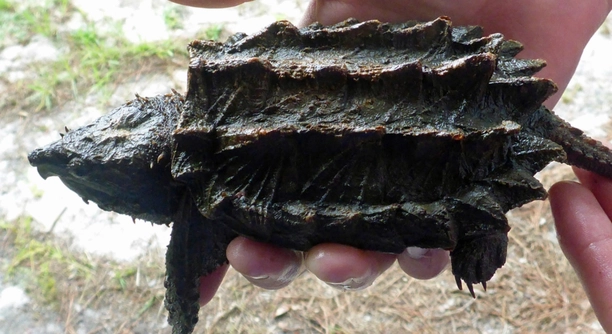
Alligator snapping turtles are fascinating creatures, but if you’ve noticed yours floating more than usual, you might be concerned. Understanding why this happens is essential for their well-being and can help address any potential issues.
The most common reason your alligator snapping turtle is floating is due to buoyancy issues, often caused by an internal gas buildup or a respiratory infection. This can occur when the turtle’s lungs or shell are affected, preventing proper sinking.
Taking action right away can help ensure your turtle stays healthy. There are different solutions depending on the cause, and addressing it quickly will make a significant difference in your turtle’s comfort and care.
Why Does My Alligator Snapping Turtle Float?
Alligator snapping turtles can float due to a variety of reasons, from minor health issues to more serious concerns. One common cause is an internal gas buildup, which can cause them to become too buoyant. This can happen if they accidentally ingest air while breathing or eating. Other times, floating is linked to a respiratory infection. These turtles may develop pneumonia or other illnesses that affect their lungs, causing them to struggle with sinking. It’s important to keep an eye on your turtle’s behavior and health to address any potential issues early on.
If your alligator snapping turtle floats more than usual, it’s likely due to an issue with its buoyancy, which might be caused by a buildup of gas or a health condition like a respiratory infection.
Sometimes, turtles naturally float when they are relaxing or basking. However, prolonged floating or difficulty diving can indicate something wrong, such as lung infections or an improper shell. If your turtle consistently floats, it’s important to check for symptoms like difficulty breathing, lethargy, or changes in appetite. Regular tank maintenance is also key, as poor water conditions can contribute to health issues.
How to Tell If Your Turtle Is Sick
If your alligator snapping turtle is floating and you suspect it may be sick, there are some key signs to watch for. Respiratory issues like labored breathing, a change in eating habits, or visible mucus around the nose can point to an infection. Additionally, look for swelling or redness on the turtle’s shell or limbs, as this can indicate an infection or injury.
Checking your turtle for symptoms like wheezing, lack of appetite, or unusual behavior can help detect early signs of illness. These issues require immediate attention to avoid further complications.
To ensure proper care, bring your turtle to a vet experienced with reptiles for a thorough check-up. If necessary, the vet may perform tests to check for internal issues or infections. Treating respiratory infections early can help prevent more serious conditions. Additionally, ensure that your turtle’s habitat has clean water, the correct temperature, and proper humidity levels, as these factors play a major role in its health.
What to Do If Your Alligator Snapping Turtle Is Floating
If your alligator snapping turtle is floating, the first step is to check its health. Look for signs of distress like difficulty breathing or changes in appetite. If you notice any unusual symptoms, it’s time to consult a vet.
You should also check the tank conditions. The water should be clean, at the right temperature, and have proper filtration. Poor water quality can lead to infections or stress, which might be contributing to the floating. Also, make sure the tank isn’t overcrowded, as this can increase stress levels.
A floating turtle with gas buildup may benefit from gentle massage around its shell. This can help release any trapped air. If the turtle is sick, it might need medication or antibiotics. A vet will be able to prescribe the correct treatment. You may also need to adjust its diet, making sure it gets the proper nutrition and hydration.
Preventing Floating in the Future
Maintaining a healthy habitat for your alligator snapping turtle is key to preventing floating issues. Keep the tank clean, with regular water changes and filtration. This reduces the risk of bacterial or fungal infections that can cause respiratory issues.
Feeding your turtle a balanced diet is also important for its overall health. Avoid overfeeding and ensure they are getting the right amount of vitamins and minerals. A turtle that is properly nourished is less likely to experience health issues like floating. Make sure the diet is varied, including pellets, live food, and occasional vegetables.
Lastly, monitor the temperature and humidity of the tank regularly. A consistent environment helps your turtle stay healthy and prevents the development of infections that could cause floating. A stable and clean environment will also promote a better immune system and fewer health problems in the long run.
When to Take Your Alligator Snapping Turtle to the Vet
If your turtle shows signs of floating for extended periods or displays other health problems like labored breathing or loss of appetite, it’s important to seek professional help. A vet will be able to diagnose any internal or respiratory issues causing the floating.
Visiting the vet becomes crucial if your turtle is not improving with simple changes in its environment. Any ongoing symptoms or worsening conditions should be addressed immediately. Early intervention can prevent more serious health problems.
How to Care for Your Alligator Snapping Turtle at Home
To properly care for your turtle at home, provide a spacious, clean tank with the right temperature and humidity. You also need to ensure it has access to both land and water areas for basking and swimming.
Make sure to maintain proper lighting, offering UVB light to help your turtle absorb calcium and maintain strong bones. Regular water changes and a good filtration system will prevent the buildup of harmful bacteria. You should also monitor its diet closely, offering variety and balance to keep your turtle healthy.
FAQ
Why is my alligator snapping turtle floating even though it seems healthy?
Your alligator snapping turtle may float due to an internal gas buildup or an issue with its buoyancy. Even if it appears healthy, it could have swallowed air while eating or breathing. This can cause the turtle to float. In rare cases, it may also be a sign of a respiratory infection, which can prevent the turtle from sinking properly. If it’s a short-term issue and the turtle seems active and healthy otherwise, it may resolve on its own. If the floating persists, it’s best to monitor its behavior closely and seek a vet’s opinion.
How can I tell if my turtle is sick and floating because of illness?
If your turtle is floating and showing other signs of illness, like difficulty breathing, lethargy, or changes in appetite, it could be sick. Respiratory infections or internal issues may cause it to float. Look for other signs like mucus around the nose or mouth, swelling, or difficulty swimming. These symptoms often suggest an infection or health condition that needs immediate treatment. Always consult a vet if you’re concerned.
Can I treat my floating snapping turtle at home?
In some cases, you can help your alligator snapping turtle at home by making sure the tank conditions are optimal. Keep the water clean, adjust the temperature, and ensure the turtle’s habitat isn’t overcrowded. If you suspect gas buildup, gently massaging the turtle’s shell can help release air. However, if the turtle’s floating continues or it shows signs of illness, you should contact a vet for further advice and treatment.
Is it safe to handle a floating turtle?
Handling a floating turtle should be done carefully. If your turtle is floating due to a buoyancy issue, avoid excessive handling, as it can cause unnecessary stress. If you need to check for symptoms or assist with gas release, make sure to handle it gently and briefly. Always wash your hands before and after handling your turtle to prevent the spread of bacteria or diseases.
How can I prevent my alligator snapping turtle from floating?
The best way to prevent your turtle from floating is by ensuring it has a healthy and stable environment. Regular water changes and proper filtration are key to preventing infections that can cause floating. Make sure the water is at the correct temperature, and provide proper lighting for basking. Additionally, feed your turtle a balanced diet to keep it healthy. Regularly check for signs of illness and address any issues quickly to prevent floating from becoming a chronic problem.
Why does my turtle float after eating?
If your alligator snapping turtle floats after eating, it’s often due to the intake of air while feeding, which can cause a temporary gas buildup. This is more common with live prey or if the turtle gulps its food too quickly. Usually, this issue resolves on its own as the air is expelled. If your turtle continues to float after eating or shows signs of discomfort, try adjusting its feeding routine or consult a vet for advice.
Can stress cause my snapping turtle to float?
Yes, stress can cause your alligator snapping turtle to float. Stress can be triggered by environmental factors like sudden temperature changes, poor water quality, or overcrowding in the tank. When stressed, turtles may exhibit abnormal behaviors, including floating. To reduce stress, maintain a stable habitat, avoid handling the turtle excessively, and ensure it has enough space to feel safe. Keeping a peaceful environment can significantly improve your turtle’s overall health.
How long can a floating snapping turtle survive?
A floating alligator snapping turtle can survive for quite some time as long as its buoyancy issue is addressed, and it doesn’t have an underlying health condition. If the turtle is floating due to a mild issue like gas buildup, it will likely return to normal once the air is released or it adjusts. However, if the floating is caused by a more serious condition like a respiratory infection or shell damage, it may require treatment from a vet. Ignoring health issues can lead to long-term damage or discomfort, so prompt attention is necessary.
What should I do if my turtle keeps floating and not sinking?
If your turtle keeps floating and is not sinking, it may be due to an infection, a gas buildup, or damage to its lungs or shell. First, check the water quality and tank conditions. If the environment is optimal, and the turtle still floats, consult a vet to rule out any health problems. A vet will perform an examination and may prescribe antibiotics or other treatments if an infection is present.
Can a snapping turtle float if it is dehydrated?
Dehydration can affect a turtle’s ability to swim properly, but it typically does not cause floating directly. However, dehydration may lead to weakness or reduced movement, which could make the floating more noticeable. If your snapping turtle is dehydrated, it’s important to provide proper hydration and ensure it has access to fresh water for soaking. Dehydration can also result from poor water quality or an inadequate diet, so addressing these issues is essential for overall health.
What are the best tank conditions for an alligator snapping turtle?
To ensure your alligator snapping turtle stays healthy and avoids issues like floating, provide a spacious tank with clean water, proper filtration, and the correct temperature. The water should be between 75-80°F (24-27°C) to keep the turtle comfortable. The tank should also have a basking area with a UVB light to help with calcium absorption. The turtle needs access to both land and water areas, as well as a peaceful environment free from excessive noise and handling. Regular water changes are crucial for preventing infections.
Final Thoughts
Alligator snapping turtles are unique creatures, and when they start floating, it can be concerning. While there are many reasons for this behavior, ranging from temporary gas buildup to more serious health issues like respiratory infections, it’s important to stay calm and observe the situation closely. Many times, a floating turtle is not a cause for panic, but rather a sign that something may need attention, whether it’s the water conditions, diet, or even the turtle’s overall health. Understanding the cause behind the floating is key to helping your turtle stay healthy.
Maintaining the right environment for your turtle is essential to preventing issues like floating. Clean water, proper tank temperature, and a balanced diet are all necessary for your turtle’s well-being. If the water quality is poor or the tank conditions are not ideal, it can lead to stress or illness, which might cause floating. Regular tank maintenance, including water changes and filtration, is crucial for keeping your turtle’s home healthy. Additionally, offering a variety of foods and making sure the turtle is getting the right nutrients will help prevent problems that might lead to floating.
When in doubt, always consult a vet if your alligator snapping turtle is floating and showing signs of illness. A professional can help identify the root cause of the problem, whether it’s something simple or a more serious health concern. Early diagnosis and treatment can prevent long-term health issues and ensure your turtle lives a long, happy life. Regular check-ups with a reptile-experienced vet can be a helpful part of your turtle’s care routine, even if they’re not showing obvious signs of illness. Keeping a close eye on your turtle and addressing issues as they arise will go a long way in ensuring it stays healthy.

Hello,
If you enjoy the content that we create, please consider saying a "Thank You!" by leaving a tip.
Every little bit helps us continue crafting quality advice that supports the health, happiness, and well-being of pets around the world, for pets of all shapes, sizes, and species.
We really appreciate the kindness and support that you show us!