
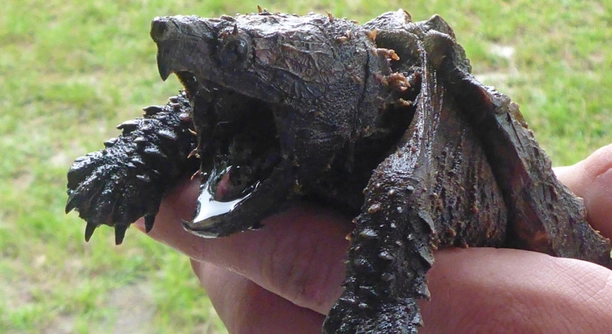
Alligator snapping turtles are fascinating creatures, but sometimes their behavior can be puzzling. If you’ve noticed your turtle clawing at the glass of its tank, you’re not alone. This common behavior can have different explanations.
Your alligator snapping turtle may claw at the glass for various reasons, such as boredom, hunger, or an attempt to escape. These turtles are curious and may also be trying to communicate or explore their environment.
Understanding why this behavior occurs can help improve your turtle’s habitat. By recognizing the causes, you can take steps to address the issue and keep your turtle happy and healthy.
Why Do Alligator Snapping Turtles Claw at the Glass?
Alligator snapping turtles are naturally curious, and their clawing at the glass can stem from several factors. One common reason is that they are simply exploring their environment. These turtles are always on the lookout for food or a potential escape route. Clawing at the glass might be their way of investigating the tank’s boundaries. Another possibility is hunger—if your turtle isn’t getting enough food or the right types of food, it may try to get your attention. When turtles feel unfulfilled, they may scratch or claw at the sides of the tank, hoping for a reaction. Understanding these behaviors is key to ensuring they’re satisfied in their environment.
It’s also important to consider the size of your turtle’s enclosure. A tank that is too small can lead to frustration, and a lack of space may prompt clawing at the glass.
When it comes to feeding, try offering a variety of foods to keep your turtle engaged. These creatures thrive on a diverse diet that includes both animal and plant-based meals. If their diet isn’t meeting their nutritional needs, they may claw at the glass to signal they’re still hungry. Additionally, regular tank maintenance is essential. A dirty or unclean environment can make your turtle restless and lead to abnormal behavior like clawing. By ensuring your turtle has plenty of space, a healthy diet, and a clean tank, you can reduce or eliminate the unwanted behavior.
Tank Size and Space Requirements
A tank that’s too small may contribute to your turtle’s frustration. If the enclosure isn’t spacious enough, your turtle may feel confined and stressed.
Providing a larger tank with more room will allow your alligator snapping turtle to move freely and feel comfortable. It’s important to keep in mind that the bigger the tank, the better it is for your turtle’s overall well-being. A larger tank helps reduce stress and boredom, both of which can lead to clawing behaviors.
Hunger and Feeding Habits
If your alligator snapping turtle is clawing at the glass, it might be signaling hunger. These turtles need a varied diet, and if they’re not getting the right nutrients, they may become more active in search of food.
Offering a balanced diet is key to keeping your turtle content. They benefit from protein-rich foods like fish, worms, and insects, but they also need plant-based options like leafy greens. If they’re not being fed enough or aren’t getting the right types of food, they may start clawing at the glass, hoping for a meal.
You should also consider how often you’re feeding your turtle. Alligator snapping turtles are opportunistic feeders, meaning they’ll eat whenever food is available. Offering food on a regular schedule can help reduce frustration. Overfeeding can be a problem, though, as it leads to tank pollution and health issues. A consistent, healthy feeding routine will ensure your turtle is well-fed and less likely to engage in clawing behavior.
Tank Cleanliness
Tank cleanliness directly impacts your turtle’s behavior. If your turtle’s environment isn’t kept clean, it can lead to stress, which may result in clawing at the glass. Dirty water can also harbor bacteria, making your turtle uncomfortable.
Regular tank maintenance is essential. You should clean the tank every week to ensure the water remains clear and free of waste. Keeping the filter clean and changing the water periodically will help maintain a healthy living environment. If your turtle’s water is dirty, it may start acting out, including clawing at the glass.
A clean tank not only promotes better health but also helps in keeping your turtle calm. It’s important to ensure your turtle’s habitat is free of debris and any lingering food particles. This way, your turtle can feel secure and not resort to behavior like clawing to get attention.
Lack of Stimulation
Alligator snapping turtles are intelligent and active creatures that require mental stimulation. If their environment lacks enrichment, they may become bored and engage in clawing behavior. Turtles need more than just food and water to feel satisfied.
Adding enrichment to the tank can help prevent this. Things like logs, rocks, and plants give your turtle the opportunity to explore and interact with its environment. Without these, your turtle may claw at the glass as a way to express frustration and boredom. It’s important to keep their habitat interesting.
Temperature and Water Conditions
Improper water temperature can also lead to stress and unusual behavior, including clawing at the glass. Alligator snapping turtles need a specific temperature range to stay comfortable and healthy.
If the water is too warm or too cold, your turtle may become agitated. Use a reliable water heater to maintain a steady temperature between 72°F and 78°F. A thermometer will help ensure the water stays within the correct range, reducing stress and preventing behaviors like clawing at the glass.
Social Interaction and Territory
Alligator snapping turtles are solitary creatures and can become stressed if they feel their space is being invaded. If there are other animals in the tank, your turtle may feel territorial and react by clawing at the glass.
FAQ
Why is my alligator snapping turtle clawing at the glass?
Alligator snapping turtles often claw at the glass for several reasons. It could be a sign of boredom, hunger, or frustration. They are curious creatures and may claw at the glass to explore their surroundings. If they feel confined, especially in a tank that is too small, they may try to escape. Additionally, clawing could be a signal that they are hungry or seeking your attention, especially if their tank environment is not providing them with enough stimulation or food.
How can I reduce my turtle’s clawing behavior?
To reduce clawing, you should start by making sure your turtle’s environment is comfortable. Ensure that the tank is large enough and provides adequate space for movement. Add enrichment like rocks, logs, and plants to create a more interesting environment. A varied and balanced diet, including both protein and vegetables, will also help satisfy your turtle’s needs. Regular cleaning of the tank will help keep them healthy and calm, as turtles can become stressed by dirty water. By meeting these needs, the clawing behavior should lessen.
Should I be worried if my turtle claws at the glass?
While occasional clawing isn’t usually something to be overly concerned about, persistent clawing could signal an underlying issue. It’s essential to observe other behaviors like eating habits, swimming, and overall activity to determine if your turtle is truly stressed or uncomfortable. If clawing becomes constant or if your turtle seems lethargic or disinterested in food, it could indicate that something in the tank setup is not right, such as temperature issues or insufficient space.
How often should I feed my alligator snapping turtle?
Feeding frequency for an alligator snapping turtle depends on its age and size. Young turtles may need to be fed daily, while adults can typically be fed 2-3 times a week. Offering a mix of protein (fish, insects, or worms) and leafy greens will help ensure your turtle gets the necessary nutrients. Overfeeding can lead to health problems and water pollution, so it’s important to stick to a regular, balanced feeding schedule.
Can alligator snapping turtles live with other turtles?
Alligator snapping turtles are solitary creatures and generally prefer to live alone. They can become territorial, especially in smaller tanks, and may exhibit aggression toward other turtles. It’s best to house them separately to avoid stress or injury. If you do house them with other turtles, make sure the tank is large enough and provide plenty of hiding spaces and territory to reduce conflict.
What is the ideal tank size for an alligator snapping turtle?
The ideal tank size for an adult alligator snapping turtle is at least 75 gallons, though larger is always better. These turtles grow quite large, and they need space to swim and explore. A smaller tank can cause stress and lead to clawing or other behaviors associated with confinement. The tank should also have enough water depth to allow for proper swimming. Additionally, a basking area should be included for them to dry off and rest.
What temperature should the water in the tank be?
The water temperature for an alligator snapping turtle should be between 72°F and 78°F (22°C to 26°C). Keeping the water within this range will ensure your turtle is comfortable and healthy. Use a reliable water heater to maintain the temperature, and check it regularly with a thermometer. Cold or overly warm water can cause stress and may lead to behaviors like clawing at the glass.
How often should I clean my alligator snapping turtle’s tank?
You should clean your alligator snapping turtle’s tank at least once a week. This includes removing waste and debris, cleaning the filter, and changing the water. A clean tank is essential for the health of your turtle and can prevent issues like algae growth or bacterial infections. Regular cleaning also helps reduce stress, which in turn can help minimize clawing at the glass.
Can alligator snapping turtles recognize their owners?
While turtles may not form attachments in the same way mammals do, alligator snapping turtles can become familiar with their owners. They may associate you with feeding time or other activities. It’s possible they’ll become more comfortable around you over time, but they’re not likely to bond the way a dog or cat would. They’ll primarily view you as a provider of food and care.
Why does my alligator snapping turtle stay at the bottom of the tank?
If your turtle is staying at the bottom of the tank, it could be due to several reasons. Alligator snapping turtles are bottom-dwellers by nature and often rest there. However, if they are staying down more than usual, it could indicate that they are feeling stressed, unwell, or are simply comfortable in their environment. It’s important to monitor for other signs of illness, such as lack of appetite, lethargy, or abnormal behavior. Otherwise, it may just be that your turtle prefers its resting spot.
Final Thoughts
Understanding why your alligator snapping turtle claws at the glass can help you address the issue effectively. It’s important to remember that turtles are curious creatures by nature, and their behavior often reflects their needs or environment. Clawing at the glass may not always be a sign of distress, but it can indicate a need for more space, stimulation, or food. By paying attention to your turtle’s habits and adjusting its environment, you can help reduce this behavior.
Providing the right size tank, a clean environment, and a balanced diet are essential steps in keeping your turtle happy. Ensuring your alligator snapping turtle has enough space to swim and explore will help prevent the frustration that leads to clawing. Adding enrichment like plants, rocks, or logs can give your turtle something to interact with and reduce boredom. It’s also important to avoid overcrowding the tank and provide enough hiding spots for your turtle to feel safe. When turtles feel secure in their habitat, they’re less likely to display behaviors like clawing at the glass.
Lastly, regular tank maintenance and monitoring your turtle’s health are key. Dirty water, incorrect temperatures, or unbalanced feeding can all contribute to stress, leading to clawing. If your turtle’s behavior doesn’t improve despite changes to its environment, it may be worth consulting with a vet to rule out any health concerns. By being proactive and observant, you can create an ideal environment for your alligator snapping turtle, ensuring it remains healthy, content, and free from unwanted behaviors.

Hello,
If you enjoy the content that we create, please consider saying a "Thank You!" by leaving a tip.
Every little bit helps us continue crafting quality advice that supports the health, happiness, and well-being of pets around the world, for pets of all shapes, sizes, and species.
We really appreciate the kindness and support that you show us!