
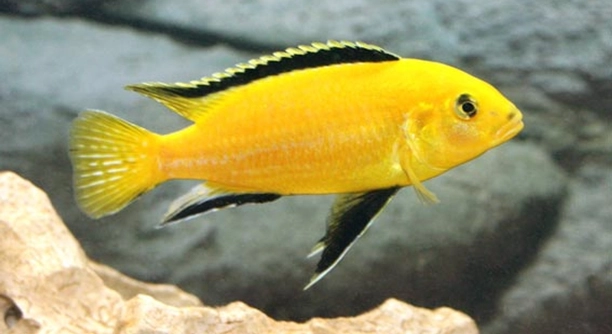
African cichlids are active fish that usually explore different parts of the tank. Sometimes, you might notice your cichlid staying near the water’s surface more than usual. This behavior can be puzzling and may indicate changes in its environment or health.
African cichlids staying at the top of the tank often signal issues such as low oxygen levels, water quality problems, or stress. These fish rise to the surface where oxygen concentration is higher, reflecting their need to cope with suboptimal tank conditions.
Knowing why your cichlid behaves this way helps you take steps to improve its environment and wellbeing. Understanding these signs supports healthier fish and a better aquarium experience overall.
Common Reasons African Cichlids Stay at the Top of the Tank
When an African cichlid lingers near the surface, the most common reason is low oxygen in the water. Fish naturally swim to where oxygen is easier to access. Poor water circulation or overcrowding can lower oxygen levels, making your fish uncomfortable. Another cause can be water temperature. Warmer water holds less oxygen, which stresses fish and changes their behavior. Poor water quality, like high ammonia or nitrite levels, also forces fish to seek better conditions at the top. Stress from illness or aggression can make them behave unusually. Monitoring your tank’s conditions regularly can help prevent these problems. Fixing water quality and ensuring proper aeration usually encourages your fish to swim normally throughout the tank again.
Oxygen availability is the key reason fish stay at the water’s surface. Improving aeration can quickly change this behavior.
Keeping your tank clean, maintaining the right temperature, and avoiding overcrowding creates a healthier environment. Good filtration and aerators boost oxygen. Regular water tests help catch issues early. If your cichlid still stays near the top despite these steps, health concerns might be involved. Observing other symptoms like color changes or loss of appetite can guide further action. Sometimes, simply adjusting tank conditions returns your fish to normal activity levels.
How to Improve Oxygen Levels in Your Tank
Adding an air stone or increasing surface agitation helps oxygenate the water. Proper filtration also improves circulation, keeping oxygen levels stable.
Aeration devices like air stones create bubbles that increase oxygen exchange at the surface. Improving water movement with a filter or powerhead reduces stagnant zones. Keeping the tank clean and avoiding overstocking prevents oxygen depletion. Regular water changes also refresh oxygen levels, benefiting your cichlid’s health.
Temperature control plays a role in oxygen levels too. Cooler water holds more oxygen, so using a reliable heater and thermometer helps maintain ideal conditions. Avoid letting the tank get too warm, especially during summer. Simple adjustments like these can make a big difference in your fish’s comfort and behavior.
Signs of Stress and Illness in African Cichlids
Stress can cause your cichlid to stay at the surface, showing changes in behavior or appearance. Early detection is key to helping your fish recover.
Look for signs like faded color, clamped fins, rapid breathing, or loss of appetite. These symptoms often indicate illness or poor water conditions. If you notice unusual spots, swelling, or lethargy, it’s important to act quickly. Testing water parameters can help identify issues related to stress or disease.
Providing a calm environment with stable water quality reduces stress. Quarantining new fish before adding them to the main tank helps prevent disease spread. Sometimes medication is needed, but improving tank conditions should be the first step. Keeping an eye on these signs protects your cichlid’s health and happiness.
Tank Overcrowding and Its Effects
Too many fish in one tank can quickly reduce oxygen levels and increase stress. Overcrowding makes it harder for cichlids to find space, which affects their behavior.
Overcrowded tanks lead to poor water quality and limited oxygen. Fish may stay near the surface to breathe easier or avoid aggressive tank mates.
Adjusting Water Temperature for Better Comfort
African cichlids thrive best between 75°F and 82°F. Maintaining this range keeps oxygen levels balanced and helps fish stay healthy.
Importance of Regular Water Testing
Testing your tank water weekly helps spot problems before they worsen. It ensures ammonia, nitrite, nitrate, and pH levels stay safe for your fish.
FAQ
Why is my African cichlid staying at the top of the tank?
Your cichlid may be seeking higher oxygen levels near the surface, often caused by poor water quality, low oxygen, or stress. It’s a common response to unfavorable conditions that make it harder for the fish to breathe comfortably lower down.
How can I tell if my cichlid is stressed or sick?
Look for signs like faded colors, clamped fins, rapid gill movement, loss of appetite, or unusual swimming patterns. These symptoms often indicate stress or illness and need immediate attention to prevent further health decline.
What water temperature is best for African cichlids?
Maintaining a temperature between 75°F and 82°F helps keep your cichlid comfortable and supports oxygen levels in the water. Temperatures outside this range can stress the fish and affect their behavior.
Can overcrowding cause my fish to stay at the surface?
Yes, overcrowding reduces oxygen availability and raises stress levels. Fish may crowd near the surface to breathe better or avoid aggressive tank mates. Keeping a proper stocking level is crucial for their wellbeing.
How often should I test my aquarium water?
Testing water weekly is ideal to monitor ammonia, nitrites, nitrates, and pH. Regular checks help you catch water quality problems early, which can prevent stress or illness in your cichlids.
What should I do if water quality is poor?
Perform a partial water change immediately and clean the filter as needed. Improve aeration and avoid overfeeding. Regular maintenance keeps water conditions stable and fish healthy.
Is adding an air stone necessary?
An air stone increases oxygen exchange and helps maintain healthy oxygen levels, especially in tanks with poor circulation or high stocking density. It’s a simple, effective way to improve water conditions.
Can temperature fluctuations affect my cichlid’s behavior?
Yes, sudden changes in temperature can stress your fish and cause unusual behaviors like staying at the surface. Keeping a stable temperature with a reliable heater prevents this problem.
How do I reduce stress in my African cichlid?
Maintain clean water, provide hiding spots, avoid overcrowding, and ensure compatible tank mates. Stress can be minimized by stable, calm environments and good tank care.
When should I consider medication for my cichlid?
Medication is needed if you notice signs of disease such as white spots, fungus, or severe lethargy after improving tank conditions. Always diagnose correctly and follow treatment instructions carefully.
Can poor diet cause surface swimming?
A poor diet alone rarely causes surface staying, but malnutrition can weaken fish and make them more vulnerable to stress or illness, which may result in unusual behavior. A balanced diet supports overall health.
What role does filtration play in oxygen levels?
Filters help circulate water, preventing stagnant zones and improving oxygen distribution. A well-maintained filter supports healthier tank conditions and reduces the chance of your fish staying near the surface.
Is it normal for African cichlids to occasionally stay at the top?
Brief visits to the surface for feeding or exploration are normal. However, prolonged surface staying usually indicates an issue with water quality, oxygen, or health that should be addressed.
Can tank decorations affect fish behavior?
Overcrowded or sharp decorations can stress fish and limit swimming space, causing them to stay near the surface. Providing enough open swimming areas and hiding spots helps fish feel secure.
How does lighting impact African cichlids?
Proper lighting supports fish health and behavior. Too bright or too dim lighting can stress cichlids, sometimes causing unusual swimming patterns. Use a consistent light schedule for best results.
What is the best way to acclimate new cichlids?
Slowly introduce new fish by floating their bag in the tank and gradually mixing tank water over 30-60 minutes. Proper acclimation reduces stress and lowers the chance of illness.
Can poor oxygen levels cause other health problems?
Yes, low oxygen weakens fish immune systems, making them more susceptible to infections and disease. Improving oxygen levels is crucial for preventing long-term health issues.
How can I improve water circulation in my tank?
Add a powerhead or upgrade your filter to increase water movement. Good circulation distributes oxygen evenly and prevents buildup of harmful substances.
Why does my cichlid gasp at the surface?
Gasping usually means the fish struggles to get enough oxygen. This is often caused by low oxygen levels or poor water quality and requires immediate attention to avoid serious harm.
Is it safe to keep African cichlids with other fish?
Compatibility depends on species and tank size. Some cichlids are territorial, so overcrowding or aggressive tank mates can increase stress and cause abnormal behaviors like surface swimming. Research and careful selection are important.
African cichlids are fascinating fish that bring vibrant colors and lively behavior to any aquarium. When they start staying near the top of the tank, it is often a clear sign that something in their environment needs attention. Many factors can cause this behavior, such as low oxygen levels, poor water quality, or stress from overcrowding or illness. Understanding these causes helps create a better habitat for your fish. Maintaining stable water conditions with proper temperature, good filtration, and regular testing is essential to keep your cichlids healthy and active throughout the tank.
It is important to remember that fish cannot speak or show their discomfort directly, so watching their behavior closely is the best way to understand their needs. If your African cichlid is spending a lot of time at the surface, check your tank’s oxygen levels and water parameters first. Adding aeration devices like air stones and ensuring water flows properly can improve oxygen availability. Regular water changes help keep ammonia, nitrite, and nitrate levels low, which reduces stress and prevents illness. If water conditions are fine, then observe your fish for signs of stress or disease, such as changes in color, appetite, or movement, and act accordingly.
Taking good care of your African cichlid involves more than just feeding and cleaning. It means paying attention to their environment and behavior so problems can be noticed early and fixed before they worsen. By keeping the tank clean, providing enough space, controlling temperature, and managing tank mates wisely, you can reduce many common causes of stress. This approach supports not only your cichlid’s health but also its natural, energetic behavior. Overall, a well-maintained tank helps your fish thrive and lets you enjoy watching them explore all parts of their home, not just the top.

Hello,
If you enjoy the content that we create, please consider saying a "Thank You!" by leaving a tip.
Every little bit helps us continue crafting quality advice that supports the health, happiness, and well-being of pets around the world, for pets of all shapes, sizes, and species.
We really appreciate the kindness and support that you show us!