
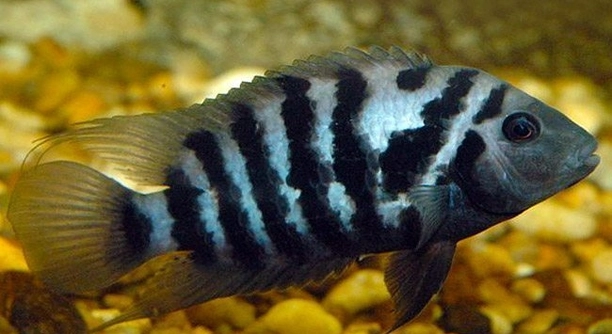
Is your African cichlid suddenly acting shy or hiding more than usual? Changes in behavior can be concerning for fish owners who want to keep their aquatic pets healthy and happy. Understanding why your cichlid is shy now helps improve its care.
African cichlids may become shy due to stress, changes in water quality, tank environment, or social dynamics. These factors can impact their comfort and confidence, leading to withdrawn behavior as a survival response in their habitat.
Knowing the causes behind your cichlid’s shyness will help you create a better environment and restore its usual active behavior. This article covers important factors to watch for and solutions to consider.
Changes in Water Quality
Water quality is a key factor affecting your African cichlid’s behavior. Even small changes in temperature, pH, or ammonia levels can cause stress. Poor water conditions reduce oxygen and introduce harmful substances, making your fish uncomfortable. When water parameters shift suddenly, cichlids often hide more and swim less. Regular testing and maintenance keep these conditions stable. Cleaning filters, doing water changes, and monitoring levels help create a safe space. If your tank is overcrowded, waste buildup increases quickly, affecting water quality further. Shy behavior can be an early sign to check water parameters before serious problems arise.
Keeping the tank clean and water parameters balanced will support your cichlid’s health and activity.
Addressing water quality changes means consistent monitoring. Use test kits to track pH, ammonia, nitrite, and nitrate levels weekly. Keep temperature stable between 75-82°F. Perform partial water changes regularly to dilute toxins. Avoid overfeeding and overcrowding to reduce waste. These steps prevent stress-related hiding and promote natural behavior. Your fish will feel safer and more confident in a stable environment, helping it regain its usual curiosity and liveliness.
Tank Environment and Hiding Spots
African cichlids need a balanced tank setup with enough hiding places to feel secure. However, too many hiding spots or poor layout can encourage constant hiding. Keep rock formations and caves but arrange them to allow open swimming space.
Proper tank decoration reduces stress but must be balanced with enough room for swimming and social interaction. A cramped or overly complex tank can increase your cichlid’s shyness, as it prefers both shelter and space to explore. Regularly observe how your fish uses its environment and adjust decorations as needed to support more active behavior while offering refuge.
Social Dynamics in the Tank
African cichlids have clear social hierarchies, which affect their behavior. Introducing new fish or changing the group can cause stress and hiding. Dominant fish may intimidate shy ones, leading them to retreat more often.
When new cichlids are added, or existing ones fight, shy behavior increases. Territorial disputes and competition for food or mates create tension. If your shy fish is frequently chased or bullied, it may hide to avoid conflict. It is important to observe tank interactions and separate aggressive fish if necessary. Proper tank size and group balance help reduce stress caused by social pressure.
Maintaining a stable group and minimizing aggressive behavior will encourage your cichlid to feel safe. Introduce new fish slowly and keep an eye on their interactions. Providing plenty of hiding spots and enough space can ease tension and promote healthier social behavior.
Health Issues Affecting Behavior
Health problems often cause fish to become withdrawn or shy. Illness, parasites, or injury can lower energy and make cichlids seek shelter more than usual. Early signs of sickness include reduced movement, loss of appetite, and color changes.
If you notice persistent hiding, check your fish for signs of disease or parasites. Poor health weakens immune response and increases stress, affecting overall behavior. Treat infections promptly using appropriate medications and maintain clean water to aid recovery. Quarantining new or sick fish prevents spreading illness. Healthy cichlids are more active and less likely to hide excessively.
Monitoring your fish’s physical condition regularly helps catch health issues early. A well-balanced diet and stress-free environment contribute to strong immunity. Taking these steps supports your cichlid’s return to normal behavior and vitality.
Lighting and Noise Stress
Bright lights or sudden loud noises can make African cichlids nervous. They prefer moderate lighting that mimics their natural habitat. Excessive noise near the tank can startle them and cause hiding.
Reducing light intensity and minimizing disturbances helps create a calm environment. Soft lighting and steady, quiet surroundings encourage your cichlid to feel secure and more active.
Feeding Habits and Behavior
Regular feeding routines build trust and comfort with your fish. Skipping meals or inconsistent feeding times can increase stress and shy behavior. Offering varied, nutritious food supports their health and encourages activity. Feeding smaller amounts more frequently helps reduce competition and anxiety among tank mates.
Temperature Fluctuations
Sudden changes in water temperature disturb your cichlid’s comfort. Keeping the temperature steady within the ideal range is essential for their wellbeing. Use a reliable heater and thermometer to avoid fluctuations. Consistent temperature helps maintain normal activity and reduces stress-related hiding.
FAQ
Why is my African cichlid hiding all the time?
Constant hiding usually means your fish is stressed or feels unsafe. This can be caused by poor water quality, aggressive tank mates, or an uncomfortable environment. Shy behavior is a way for your cichlid to protect itself from perceived threats. Checking water parameters and tank setup can help identify the issue.
How can I help my shy African cichlid become more active?
Start by ensuring stable water conditions with proper temperature, pH, and cleanliness. Reduce aggression by balancing tank mates and providing enough space. Add hiding spots but keep open areas for swimming. Feed consistently and avoid sudden changes to reduce stress and encourage normal behavior.
Can a new tank setup cause my cichlid to be shy?
Yes, new environments can stress fish. Changes in water chemistry, unfamiliar territory, and new tank mates all contribute. It takes time for cichlids to adjust. Gradually introduce fish and maintain stable water parameters to help your cichlid settle in and feel secure.
Is diet affecting my cichlid’s behavior?
Poor nutrition can weaken your cichlid, leading to low energy and hiding. Provide a varied diet that matches their needs, including high-quality pellets, flakes, and occasional live or frozen foods. A healthy diet supports immunity and encourages more active behavior.
What role does tank size play in fish shyness?
A tank that’s too small limits space for swimming and increases territorial fights, which causes stress. African cichlids need enough room to establish territories and avoid constant conflict. Larger tanks with appropriate decoration reduce stress and encourage natural activity.
Can water temperature affect my cichlid’s behavior?
Yes, African cichlids thrive in stable temperatures between 75-82°F (24-28°C). Sudden drops or spikes can cause discomfort and hiding. Use a reliable heater and thermometer to keep temperature steady. Avoid placing the tank near windows or vents that cause fluctuations.
How do aggressive tank mates influence shyness?
Aggressive or dominant fish can intimidate others, forcing them to hide. This stress affects health and behavior. Observe interactions and separate overly aggressive fish. Creating territories and providing hiding spots helps shy fish feel safe and reduces constant retreating.
Are there signs of illness that cause shy behavior?
Yes, sickness often makes cichlids hide more than usual. Look for signs like faded colors, clamped fins, rapid breathing, or lack of appetite. Early detection and treatment improve recovery. Always quarantine new fish to prevent spreading disease.
Does lighting affect how shy my fish is?
Bright or flickering lights can stress African cichlids. They prefer moderate, consistent lighting that mimics their natural habitat. Using dimmable or adjustable lights can reduce stress and encourage more visible, active behavior.
How long does it take for a shy cichlid to become confident again?
Recovery time varies based on causes and care quality. With stable water, proper diet, and a peaceful environment, many cichlids regain confidence within days to weeks. Patience and careful observation are key to helping your fish feel secure again.
Should I isolate a shy cichlid to help it feel safer?
Isolation can reduce stress if aggression is the problem, but long-term separation may cause loneliness and boredom. Instead, focus on improving tank conditions and balancing social groups. Provide hiding spots and space so shy fish can choose when to interact.
Can frequent water changes help reduce shyness?
Regular water changes improve water quality by removing toxins and waste. Cleaner water reduces stress and supports health, which decreases shy behavior. Aim for partial water changes of 20-30% weekly or biweekly, depending on tank size and bioload.
Is it normal for African cichlids to be shy sometimes?
Yes, temporary shyness can occur during changes or stressful events. It’s a natural defense mechanism. However, prolonged hiding signals an issue that should be addressed to ensure your cichlid’s wellbeing.
What role do decorations play in my fish’s confidence?
Decorations offer shelter and territories, helping fish feel safe. But overcrowded or poorly arranged tanks limit swimming and increase stress. Balance hiding spots with open areas to encourage exploration and reduce excessive hiding.
Can stress from transportation cause shyness?
Transport is stressful for fish due to changes in water, temperature, and surroundings. After moving, cichlids often hide while adjusting. Providing a calm, stable environment and avoiding sudden changes help them recover faster.
Are there any behavioral signs to watch for besides hiding?
Look for changes in appetite, color, swimming patterns, and interaction with tank mates. Sudden aggression or lethargy can also indicate stress or health issues. Early recognition allows prompt action to support your fish’s health.
When an African cichlid starts acting shy, it is often a sign that something in its environment or health is not quite right. These fish rely on stable conditions to feel safe and behave normally. Factors like water quality, tank setup, social group, and diet all play important roles in how confident and active they appear. Paying attention to these elements and making adjustments when needed can help your cichlid regain its usual behavior. It is important to remember that shy behavior is a natural response to stress or discomfort and should be seen as a signal to check on your fish’s needs.
Maintaining good water quality is one of the most effective ways to reduce stress in your cichlid. Regular water tests, consistent temperature, and timely water changes create a healthy environment. The tank’s layout also matters; providing enough hiding places without overcrowding helps fish feel secure while allowing room to swim freely. Social dynamics can influence behavior, too. Ensuring your cichlids live in balanced groups where no one fish dominates excessively can prevent constant hiding and fear. Offering a varied, nutritious diet supports health and energy levels, encouraging your fish to be more active and visible.
Patience and careful observation are key when dealing with a shy African cichlid. Changes in behavior rarely improve overnight, so it’s important to give your fish time to adjust once conditions improve. Watch for any signs of illness or aggression that might require further action. By creating a stable and comfortable environment, you promote your cichlid’s long-term wellbeing. Over time, with proper care and attention, your fish will likely regain its confidence and become a lively part of your aquarium again.

Hello,
If you enjoy the content that we create, please consider saying a "Thank You!" by leaving a tip.
Every little bit helps us continue crafting quality advice that supports the health, happiness, and well-being of pets around the world, for pets of all shapes, sizes, and species.
We really appreciate the kindness and support that you show us!