
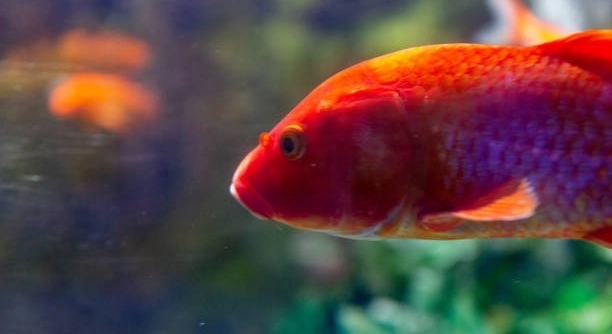
Is your African cichlid spending more time hiding than swimming freely, even when you approach the tank with care and curiosity?
African cichlids may act shy due to environmental stress, lack of hiding spots, poor tank conditions, or insufficient socialization. These factors can cause the fish to feel insecure or threatened, leading to withdrawn behavior.
Understanding why your cichlid acts this way can help you create a better environment that encourages confidence, comfort, and natural behavior.
Common Reasons Your African Cichlid Is Hiding
African cichlids often hide when they feel unsafe or uncomfortable. A new tank setup, sudden changes in lighting, or even loud noises near the aquarium can make them retreat into the shadows. They may also hide if there aren’t enough caves or decorations to create a sense of territory. These fish are territorial by nature, and without places to claim, they may become anxious or withdrawn. Stress from tank mates can also play a role—overcrowding or aggressive species may intimidate a shy cichlid. Temperature fluctuations or poor water quality can trigger similar reactions, so it’s important to monitor the tank regularly. Adjusting the environment based on your fish’s needs is a great way to help them feel secure. Over time, with patience and consistent care, your cichlid may begin to show itself more often and behave more naturally.
Sometimes, your cichlid just needs time to settle into a new space. Give it a few days.
An African cichlid that was once active but now hides constantly might be responding to recent changes you didn’t notice. Maybe you moved the tank slightly or replaced a decoration they liked. Even subtle shifts in routine can be unsettling. That’s why it’s helpful to keep track of your tank’s setup and maintenance habits. A stable environment helps your cichlid feel safe, and consistency is often the key to helping them relax. Also, avoid tapping the glass or making quick movements nearby. These actions can scare your fish, even if you mean no harm. Being mindful of their sensitivity will go a long way.
What You Can Do to Help
Start by creating more hiding spots. Use rocks, plants, or tunnels to help your cichlid feel protected in its space.
If your cichlid is acting shy, it could benefit from a tank layout that mirrors its natural habitat. Adding caves, driftwood, or plants allows the fish to establish a space where it feels less exposed. When they have secure places to hide, cichlids often feel more confident about venturing out. Make sure the tank isn’t overcrowded and check if any tank mates are being too aggressive. A peaceful setup helps reduce stress. Keep lighting soft, especially if it’s a new fish still adjusting to its surroundings. Also, maintain a regular feeding schedule and perform water tests weekly to ensure good quality. These small adjustments can make a big difference. If your cichlid starts coming out more often and shows healthy behavior, that’s a good sign it’s beginning to feel comfortable. Patience and consistency often lead to positive changes.
How Tank Conditions Influence Behavior
Poor water quality can make your cichlid stressed and less likely to come out in the open. Even small shifts in pH or temperature may impact behavior. Regular water changes and testing are important.
African cichlids are sensitive to their surroundings, and unbalanced tank conditions can easily affect their behavior. High ammonia, nitrite, or nitrate levels are common stressors. A lack of oxygen or sudden temperature changes can also lead to hiding. Make sure the filter is working well and that the water parameters stay consistent. If your cichlid suddenly becomes shy, it’s worth checking everything from pH to water hardness. Clean the tank regularly but avoid changing too much at once. Sudden adjustments can do more harm than good. Gradual, steady care tends to work best with these fish. Once your tank becomes stable again, you may notice your cichlid becoming more active and visible.
Lighting can also influence how your cichlid behaves. Bright lights may feel too intense, especially if there aren’t many places to hide. In these cases, fish tend to retreat into caves or behind decorations. Try using dimmer lights or keeping them on for shorter periods. You can also add floating plants or objects to soften the effect of the light. A more shaded tank helps mimic their natural environment. Cichlids often feel safer when the lighting is low and there are shadowed areas to explore. This setup encourages them to come out more often, especially during feeding times. Small lighting changes can bring noticeable improvements to your fish’s comfort and confidence.
The Role of Social Structure
African cichlids have a natural social hierarchy that can affect how confident they act in the tank. If one fish dominates, others may hide more often.
Aggression from tank mates plays a big part in how your cichlid behaves. If a more dominant fish chases or intimidates it, your cichlid may stay hidden to avoid conflict. That’s why it’s important to monitor interactions closely. Try rearranging the tank to break up established territories or consider removing overly aggressive fish. Adding more rocks and hiding places can also help, giving the less dominant fish areas to retreat. Keeping fish of similar size and temperament often leads to a calmer tank. Feeding at multiple spots prevents competition and reduces tension. Each fish should feel like it has a safe space. When the balance is right, your shy cichlid is more likely to feel comfortable enough to swim freely and interact normally.
Adjusting Your Approach Around the Tank
Sudden movements or loud noises near the tank can easily scare your cichlid. Even walking too quickly or tapping on the glass may cause stress. Try to keep the area around the tank calm and quiet, especially during feeding or cleaning times.
Approaching the tank slowly and standing still can help your cichlid feel more secure. Over time, this calm behavior builds trust. You might even notice your fish becoming curious and swimming closer. Keep your hands out of the tank unless necessary, and always move gently.
Feeding Techniques That Build Trust
Feeding your cichlid at the same time each day can create a sense of routine and security. Use the same container or spot, and avoid sudden hand movements when placing food in the tank. Some people find success by sitting quietly by the tank during feeding, which helps the fish associate them with safety and food. Start by feeding from a distance and gradually move closer as your cichlid gets more comfortable. Avoid overfeeding, as uneaten food can foul the water and increase stress. Consistency and patience go a long way in helping your fish feel more at ease.
When to Consider a Second Opinion
If your cichlid continues to hide despite a good setup and care, it may be time to speak with an experienced aquarist or aquatic vet. Hidden illness or long-term stress may need expert advice.
FAQ
Why does my African cichlid hide all the time?
African cichlids often hide when they feel stressed or unsafe. This can happen because of poor water conditions, aggressive tank mates, or lack of hiding spots. Sometimes, sudden changes like a new tank setup or strong lighting make them feel exposed. Hiding is a natural way for these fish to protect themselves when they feel threatened or unsure about their environment.
How long does it take for a shy cichlid to become comfortable?
It varies, but usually a few days to a couple of weeks. Patience and steady care are key. Keeping water conditions stable, providing hiding spots, and avoiding sudden movements around the tank help your cichlid adjust faster. Regular feeding routines also build trust. Each fish is different, so some may take longer to feel safe and begin exploring.
Can I train my African cichlid to be less shy?
Yes, but it requires time and consistency. Spending quiet moments near the tank without sudden movements helps the fish get used to your presence. Feeding at the same time and place daily creates a positive routine. Avoid tapping the glass or grabbing their attention abruptly. Over time, your cichlid may associate you with food and safety, making it more confident.
Is my cichlid hiding because it is sick?
Hiding can be a sign of illness, but it’s not the only reason. Check for other signs like changes in color, loss of appetite, or unusual swimming. Poor water quality often worsens health problems, so regular testing is important. If your cichlid hides and shows physical symptoms, consult a vet or experienced aquarist to rule out disease.
What tank conditions are best for African cichlids?
They prefer stable water with a pH between 7.8 and 8.6, temperature around 75-82°F (24-28°C), and moderate hardness. Clean water with good filtration is essential. The tank should have plenty of rocks and caves for hiding and territory. Avoid overcrowding and keep aggressive fish separate to reduce stress.
Can lighting affect my cichlid’s behavior?
Yes. Bright lights without enough hiding spots can make cichlids nervous and lead to hiding. Dimmer lights or adding floating plants and decorations to create shaded areas help fish feel more secure. Adjusting lighting can encourage shy fish to swim more openly.
How many hiding spots should I provide?
Several. African cichlids are territorial and need places to retreat. A good rule is to have at least one cave or hiding place per fish. Use rocks, caves, and plants to create a varied landscape. This reduces stress and aggression, helping shy fish feel safe.
Will my cichlid get used to other fish in the tank?
It depends on the species and temperament. African cichlids can be aggressive, so introducing compatible tank mates is important. If your cichlid is hiding due to bullying, rearranging the tank or removing aggressive fish may be necessary. Over time, some cichlids tolerate others better, especially in larger tanks with many hiding places.
Should I feed my cichlid more if it’s shy?
Not necessarily. Overfeeding can harm water quality and increase stress. Feed a balanced diet in small amounts once or twice a day. Watch your fish to make sure it is eating but avoid leaving uneaten food. Consistent feeding times help shy fish feel more secure.
What signs show my cichlid is becoming less shy?
Look for increased swimming around the tank, more time spent in open areas, and active feeding during mealtimes. Curious behavior, such as approaching the tank glass or investigating decorations, also shows growing confidence. These are good signs that your fish is adjusting well.
African cichlids are fascinating fish that can bring a lot of life and color to your aquarium. When they act shy or hide often, it can be worrying, but this behavior usually tells you something important about their needs or environment. Shyness in these fish is often a response to stress, changes, or discomfort. By paying close attention to their surroundings and daily habits, you can often find ways to help them feel safer and more comfortable. This includes keeping the water clean and stable, offering plenty of hiding spots, and making sure tank mates get along well. Small adjustments can make a big difference in your cichlid’s behavior and overall well-being.
It is important to be patient when working with shy African cichlids. These fish need time to adjust to their tanks and owners. Rushing or forcing interactions can make them more nervous. Instead, focus on creating a calm and stable environment. Regular feeding routines, gentle movements around the tank, and avoiding sudden loud noises can build trust over time. Watch how your fish responds to different changes and give them space when needed. Remember, each cichlid has its own personality and comfort level, so progress may be slow but steady. Patience and consistency are key to helping your fish grow more confident.
Lastly, remember that your cichlid’s health depends not only on the physical setup but also on your care and attention. If you notice signs of illness or if hiding continues despite your efforts, it may be helpful to seek advice from experienced aquarists or aquatic vets. A healthy fish is more likely to be active and interactive. Taking care of water quality, tank mates, and feeding habits all contribute to a happy fish. When your cichlid starts to explore and interact more, it shows that your efforts have paid off. With time and care, your shy African cichlid can become a confident and lively part of your aquarium.

Hello,
If you enjoy the content that we create, please consider saying a "Thank You!" by leaving a tip.
Every little bit helps us continue crafting quality advice that supports the health, happiness, and well-being of pets around the world, for pets of all shapes, sizes, and species.
We really appreciate the kindness and support that you show us!