
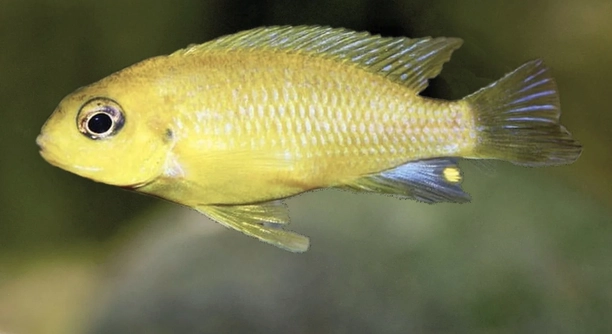
African cichlids are known for their bright, beautiful colors that make them a favorite in home aquariums. When their colors suddenly fade, it can feel worrying for any fish owner. Changes in color often signal that something is affecting their health or environment.
Sudden color loss in African cichlids is usually caused by stress, illness, poor water quality, or changes in diet. Identifying the specific cause requires careful observation of the fish and its environment to address the issue properly.
Understanding what causes color loss will help you keep your cichlid healthy and vibrant. Knowing how to respond quickly can prevent further problems and support your fish’s well-being.
Causes of Color Loss in African Cichlids
African cichlids can lose color for several reasons. One common cause is stress, which may come from overcrowded tanks, aggressive tank mates, or sudden changes in water conditions. Illnesses such as parasites or bacterial infections can also lead to fading colors. Water quality is very important—high levels of ammonia, nitrites, or nitrates can weaken your fish’s health and dull their colors. Diet plays a role, too. Poor nutrition or lack of certain vitamins and minerals can make their colors less vibrant. Even changes in lighting or tank decorations can affect their appearance. Paying attention to these factors can help prevent sudden color loss. Monitoring water parameters regularly, keeping a balanced diet, and maintaining a peaceful tank environment are key to keeping your cichlid’s colors bright and healthy.
Sudden changes in the environment often cause the most noticeable color loss. Stable conditions are essential for their well-being.
Taking small daily steps to maintain water quality and reduce stress can make a big difference in how your cichlid looks and feels.
How to Improve Your African Cichlid’s Color
Improving your cichlid’s color starts with fixing the underlying problems. Regular water changes and testing will keep the tank clean and safe. Feeding a high-quality, varied diet with foods rich in carotenoids, like spirulina and shrimp, helps enhance natural color. Avoid overcrowding the tank to reduce stress and aggression. Adding hiding spots can give shy fish a sense of security. Watching for signs of illness and treating infections promptly will protect their health. Lighting should mimic natural conditions but avoid harsh or constant bright light, which can stress the fish. Sometimes, simply adjusting the tank environment and diet leads to noticeable color improvement within a few weeks. Consistency is important to maintain those bright hues over time.
Keeping a healthy routine and environment is the best way to bring back your cichlid’s natural beauty. With proper care, their colors can shine again, making your aquarium more enjoyable to watch.
Common Stress Factors Affecting Color
Stress is one of the main reasons African cichlids lose their vibrant colors. Stress can come from overcrowding, aggressive tank mates, or sudden changes in the water environment.
Poor tank conditions like fluctuating temperature, dirty water, or loud noises can make cichlids feel unsafe. When stressed, their bodies produce less pigment, causing dull or faded colors. Even frequent handling or moving the fish too often can cause stress. Stress weakens their immune system, making them more vulnerable to illness, which further affects color. Maintaining a calm, stable environment and keeping compatible tank mates is essential to prevent stress and help your cichlid keep its bright appearance.
Proper tank setup and minimal disturbance go a long way in reducing stress for your fish. Keep water stable and avoid overcrowding to protect their colors and health.
Signs of Illness in African Cichlids
Illness often causes sudden color loss. Look for other signs like lethargy, loss of appetite, or unusual swimming behavior. White spots, clamped fins, or visible wounds can also indicate infection. Parasites and bacterial infections are common health problems that dull colors. Early detection is crucial to treat the issue before it worsens. Quarantining new fish and maintaining good water quality help prevent disease spread. Regular observation will help catch illness early, protecting your cichlid’s health and color. If illness is suspected, consulting a vet or aquatic specialist can provide the right treatment.
Healthy fish show bright colors and active behavior. Noticing changes early helps save your cichlid from long-term damage and restores its vibrant appearance.
Water Quality and Its Impact
Poor water quality is a leading cause of color loss in African cichlids. High levels of ammonia, nitrites, or nitrates create a toxic environment that stresses fish. Clean water helps fish stay healthy and colorful.
Regular water testing and changes keep the environment safe. Even small water quality issues can quickly affect your cichlid’s appearance.
Diet and Color Enhancement
A balanced diet rich in natural pigments like carotenoids supports vibrant colors in African cichlids. Foods such as spirulina, krill, and shrimp enhance their coloration naturally. Avoid overfeeding and provide variety to meet nutritional needs. Poor diet weakens color and overall health.
Lighting and Color Changes
Lighting affects how your cichlid’s colors show. Too bright or too dim light can change their appearance. Proper lighting mimics natural daylight cycles, helping maintain strong colors.
Tank Environment Adjustments
Adjusting decorations and adding plants can reduce stress and improve your cichlid’s color. Natural hiding spots offer security, encouraging brighter colors.
FAQ
Why is my African cichlid losing color suddenly?
Sudden color loss is usually caused by stress, illness, poor water quality, or diet changes. Stress from tank overcrowding, aggressive tank mates, or water fluctuations affects pigment production. Illness such as parasites or bacterial infections can also fade colors. Maintaining stable water conditions, a proper diet, and a peaceful environment is key to preventing this.
Can poor water quality make my cichlid lose color?
Yes, poor water quality is a major factor. High ammonia, nitrites, or nitrates create toxic conditions, stressing fish and dulling their colors. Regular water testing and frequent partial water changes help keep the environment clean and healthy, allowing your fish to maintain bright colors.
How long does it take for a cichlid’s color to come back?
The time varies depending on the cause. If stress or water quality is fixed quickly, colors may improve in a few days to weeks. Illness recovery can take longer, especially if medication is needed. A proper diet and low stress environment speed up the process.
Does diet affect my African cichlid’s color?
Absolutely. A diet rich in natural pigments like carotenoids improves color vibrancy. Foods like spirulina, krill, and shrimp are good choices. Poor nutrition weakens their color and health, so feeding a varied and balanced diet is essential.
Can tank mates cause color loss in African cichlids?
Yes, aggressive or overly active tank mates cause stress, which leads to color fading. Territorial disputes or bullying reduce a cichlid’s comfort and health. Choose compatible species and avoid overcrowding to help your fish stay calm and colorful.
Is lighting important for maintaining color?
Lighting affects how colors appear. Too bright or harsh lighting can stress fish, while too dim lighting may hide their natural colors. Proper lighting should simulate natural day and night cycles to support healthy pigment expression.
What signs should I look for to know if my fish is sick?
Look for lethargy, loss of appetite, clamped fins, white spots, wounds, or unusual swimming patterns. These signs often accompany color loss due to illness. Early detection and treatment improve recovery chances.
Can color loss be permanent?
If the cause is not addressed early, color loss can become permanent due to long-term stress or disease damage. Quick action to fix water conditions, diet, and health issues can often restore vibrant colors.
Should I quarantine new fish to prevent color loss?
Quarantining new fish before adding them to your main tank helps prevent disease and stress, which can cause color loss. It reduces the risk of infections spreading and gives you time to observe any health problems.
How often should I test my tank water?
Testing water at least once a week is recommended to monitor ammonia, nitrites, nitrates, pH, and temperature. Regular testing helps catch problems early before they affect your fish’s health and color.
Can changing the tank environment improve color?
Yes, adding plants, rocks, and hiding spots reduces stress and encourages natural behavior. A comfortable environment helps your cichlid feel secure, which supports brighter, healthier coloration.
Is stress the most common reason for color loss?
Stress is a very common reason, but it often results from other factors like poor water quality, diet issues, or aggressive tank mates. Reducing stress through proper care is essential for maintaining color.
How can I reduce stress in my aquarium?
Keep the tank clean with regular water changes, avoid overcrowding, select peaceful tank mates, provide hiding places, and maintain stable water parameters. Minimal handling and a quiet environment also help reduce stress.
What medications can help restore color?
Medications should only be used when illness is confirmed. Antibiotics or antiparasitic treatments can cure infections causing color loss. Always follow proper dosing and consult an aquatic specialist if unsure.
Can temperature changes affect color?
Yes, sudden or extreme temperature changes stress fish and cause color fading. Keep water temperature stable, ideally between 74–82°F (23–28°C), depending on the species. Use a reliable heater and thermometer.
Is frequent water change better for color restoration?
Regular water changes keep the tank clean and reduce toxins that cause stress. Partial changes of 20-30% weekly are recommended. Too frequent or large changes can also stress fish, so balance is important.
African cichlids are beautiful fish known for their bright colors, and when those colors start to fade suddenly, it can be worrying. Color loss is often a sign that something is off in their environment or health. Stress, illness, poor water quality, or diet problems are usually the main reasons behind this change. Understanding these causes helps to find the right solution and bring back the vibrant colors your fish once had. Keeping an eye on your fish daily allows you to notice early signs of trouble and take action quickly.
Taking care of water quality is very important for your cichlid’s color and overall well-being. Regularly testing your tank water and doing partial water changes keeps harmful chemicals like ammonia and nitrites at safe levels. A clean and stable environment helps reduce stress, which is a big factor in color fading. Stress can come from many things, including overcrowding, aggressive tank mates, and sudden changes in temperature or lighting. Keeping the tank peaceful and stable is the best way to protect your fish’s colors.
Feeding your African cichlid a balanced diet with foods rich in natural pigments also supports bright colors. Foods like spirulina, shrimp, and krill add important nutrients that help maintain healthy pigmentation. Avoid overfeeding and offer variety to keep your fish healthy and colorful. Adding hiding places and decorations to the tank can also make your fish feel secure and less stressed. With proper care and attention to their environment, diet, and health, you can help your African cichlid regain and keep its beautiful colors for a long time.

Hello,
If you enjoy the content that we create, please consider saying a "Thank You!" by leaving a tip.
Every little bit helps us continue crafting quality advice that supports the health, happiness, and well-being of pets around the world, for pets of all shapes, sizes, and species.
We really appreciate the kindness and support that you show us!