
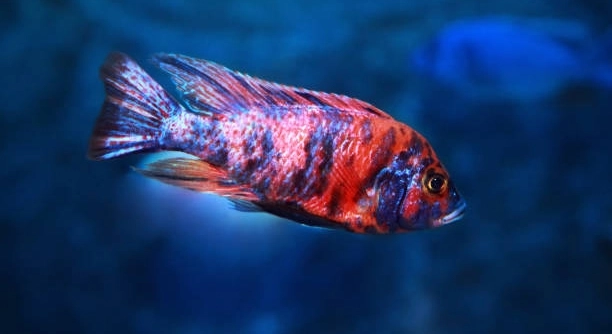
African cichlids are known for their vibrant colors and active behavior in aquariums. Sometimes, they may suddenly start hiding in corners, which can be worrying for owners. Understanding this behavior helps maintain a healthy environment for these fish.
African cichlids often hide in corners due to stress, illness, poor water conditions, or territorial behavior. These factors cause discomfort, prompting the fish to seek refuge in less exposed areas to avoid threats and conserve energy for recovery.
Knowing why your cichlid hides can improve your care approach and help create a comfortable habitat. This article explores common causes and solutions to keep your fish healthy and active.
Common Causes of Hiding Behavior
African cichlids may hide for several reasons, often related to their environment or health. Poor water quality is a frequent cause. If the water has high ammonia, nitrite, or nitrate levels, the fish will feel stressed and look for a safe spot. Another factor is illness. When sick, cichlids become less active and prefer hiding to conserve energy. Territorial disputes also play a role. Cichlids are known for defending their space aggressively. New or aggressive tankmates can make them retreat to corners. Changes in tank setup, like new decorations or rearranged plants, can also make them feel insecure temporarily. Lighting matters too; very bright or inconsistent lighting may drive them to shaded areas. Keeping an eye on these factors is key to understanding why your cichlid behaves this way and addressing the root causes.
Hiding is often a symptom that signals a need for change in care or environment. Observing behavior closely helps.
Adjusting water parameters, ensuring proper tank mates, and maintaining a stable environment can reduce stress. Regular health checks will catch illnesses early. Providing hiding spots in the tank, like caves or plants, can also offer comfort while promoting natural behavior. A well-settled cichlid is usually more active and visible, showing signs of good health and contentment.
How to Improve Your Cichlid’s Comfort
Providing a comfortable habitat is essential for reducing hiding behavior. Make sure the water parameters—temperature, pH, and hardness—match the species’ needs. Regular water testing and partial water changes keep conditions stable. Adding sufficient hiding places, such as rocks or artificial caves, allows fish to feel secure without isolation. Avoid overcrowding the tank to prevent territorial stress. Monitoring the behavior of all tankmates helps identify possible aggression or bullying. Feeding a balanced diet tailored to African cichlids’ nutritional requirements supports their immune system and overall health. Keeping a consistent light schedule and avoiding sudden changes in tank setup also helps them feel safe. These steps create a calm environment that encourages natural activity and reduces the tendency to hide.
Focusing on these adjustments can improve your cichlid’s well-being and restore their usual liveliness in the aquarium.
Monitoring Water Quality
Regular water testing is essential for your African cichlid’s health. Maintaining stable parameters prevents stress and hiding behavior.
Use a reliable test kit to check ammonia, nitrite, nitrate, pH, and temperature weekly. Sudden changes or spikes in these levels can cause discomfort and illness. Ammonia and nitrite should always be at zero, while nitrate should remain low. Keeping the water clean with regular partial changes supports stable chemistry and reduces toxins. Proper filtration and avoiding overfeeding also help maintain water quality. Consistent monitoring lets you catch problems early, ensuring a safer environment for your fish.
Water quality impacts behavior directly. Clean, balanced water helps your cichlid stay active and visible, reducing its need to hide.
Signs of Illness in African Cichlids
Illness often causes hiding. Watch for changes in appetite, unusual swimming, or visible spots on the body. These signs suggest health issues that require attention.
Common diseases like ich, fin rot, or parasites stress the fish and make them retreat. Early detection allows for quicker treatment and better recovery chances. Isolate sick fish when possible to prevent spreading. Maintaining good water quality and feeding a nutritious diet helps keep your cichlids resilient. If you notice persistent hiding combined with these symptoms, consulting a vet or fish expert can guide appropriate care. Understanding these signs improves your ability to respond effectively and support your fish’s health.
Tankmates and Aggression
Aggressive or incompatible tankmates can cause your African cichlid to hide. It’s important to select compatible species to reduce stress.
Cichlids often defend their territory. If another fish is too dominant or territorial, your cichlid may retreat to corners for safety.
Adjusting Tank Setup
Rearranging decorations or adding new elements can unsettle your cichlid. They may hide until they adjust to the new environment.
Giving them time to get used to changes and providing familiar hiding spots helps them feel secure and reduces stress.
Lighting and Activity
Bright or inconsistent lighting can make cichlids uncomfortable. Dimmer, steady lighting encourages more natural behavior and reduces hiding.
Adjust lighting gradually and avoid sudden changes to help your fish stay relaxed and active in the tank.
FAQ
Why does my African cichlid hide more at night?
African cichlids are naturally more active during the day and tend to rest or hide at night. Hiding in corners or caves offers them protection from potential threats while they sleep. This behavior is normal and usually not a cause for concern.
Can hiding mean my cichlid is stressed?
Yes. Stress is one of the main reasons cichlids hide frequently. Stress can come from poor water conditions, aggressive tankmates, or sudden changes in the tank. Reducing stress by improving tank conditions usually encourages more visible, active behavior.
Is hiding a sign of illness in my cichlid?
Hiding can indicate illness, especially if paired with other symptoms like loss of appetite, rapid breathing, or changes in color. Illness weakens fish, making them seek shelter to conserve energy. Early treatment is important to prevent worsening conditions.
How long should my cichlid hide after moving to a new tank?
It’s normal for African cichlids to hide for several days to a week after being introduced to a new environment. They need time to explore and feel safe. Providing plenty of hiding spots helps reduce stress during this adjustment period.
Can poor water quality cause hiding?
Absolutely. Toxic levels of ammonia, nitrites, or high nitrates cause discomfort and stress, prompting hiding. Regular water testing and maintenance keep conditions stable and healthy, encouraging your cichlid to swim freely.
What tankmates are best to reduce hiding behavior?
Choosing peaceful or similarly sized cichlids helps reduce aggression. Avoid overly aggressive or very small species that might intimidate your fish. Proper stocking density and compatible species promote harmony and reduce stress-related hiding.
Does tank size affect hiding?
Smaller tanks with limited space and hiding spots can increase territorial disputes and stress, causing more hiding. A sufficiently large tank with plenty of decorations and caves gives your cichlid room to establish territory without feeling threatened.
How does diet impact hiding behavior?
A poor diet weakens your cichlid’s immune system, making it more susceptible to illness and stress, which can increase hiding. Feeding a balanced diet rich in vitamins and nutrients supports overall health and activity levels.
Can lighting changes cause my cichlid to hide?
Yes. Sudden or overly bright lighting can stress cichlids, causing them to seek shelter. Gradual light adjustments and dimmer lighting encourage natural activity and reduce hiding tendencies.
When should I worry about hiding behavior?
If hiding is prolonged and accompanied by signs of illness like discoloration, frayed fins, or labored breathing, it’s time to take action. Persistent hiding despite good tank conditions suggests health or environmental issues needing attention.
African cichlids hiding in corners is a common behavior that usually points to some discomfort or stress. Understanding the reasons behind this behavior helps improve their living conditions. Factors like water quality, tank setup, lighting, and tankmates all play important roles in how comfortable your fish feels. When these factors are balanced, your cichlid is more likely to be active and display its natural colors and behaviors. Observing your fish regularly will give clues about its well-being and help you make adjustments as needed.
Maintaining a healthy aquarium requires consistent care. Regular water testing and partial water changes keep harmful chemicals at safe levels. Providing enough hiding spots and a suitable environment helps your cichlid feel secure without needing to retreat too much. Choosing compatible tankmates reduces aggression and stress. Paying attention to your fish’s diet supports its immune system and overall health, making it less likely to hide due to illness or weakness. These simple steps create a stable habitat that encourages your cichlid to thrive.
If hiding behavior continues despite your efforts, it may indicate an underlying health issue. Watch for other signs of illness, such as changes in appearance or appetite. Early treatment improves the chances of recovery and prevents spreading disease to other fish. Sometimes, a little patience is needed as your cichlid adjusts to new surroundings or tank changes. Overall, a careful approach and attentive care will help your African cichlid feel more comfortable and reduce its need to hide. This creates a better experience for both you and your fish.

Hello,
If you enjoy the content that we create, please consider saying a "Thank You!" by leaving a tip.
Every little bit helps us continue crafting quality advice that supports the health, happiness, and well-being of pets around the world, for pets of all shapes, sizes, and species.
We really appreciate the kindness and support that you show us!