
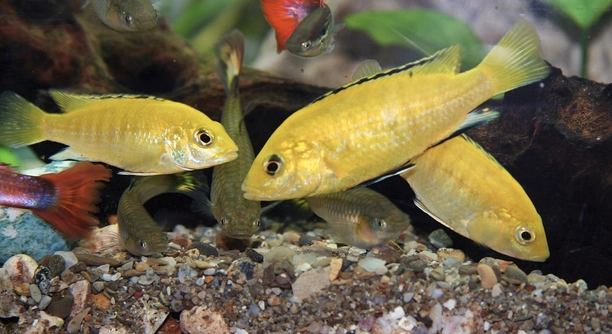
African cichlids are popular aquarium fish known for their bright colors and active behavior. Sometimes, these fish hide for long periods, which can be worrying for their owners. Understanding their habits helps create a better environment for them.
African cichlids hide all day mainly due to stress, illness, or poor water conditions. These factors make them seek shelter to feel safe. Proper tank maintenance, stable water parameters, and a peaceful environment reduce hiding behavior significantly.
Recognizing the causes behind this behavior is essential for your fish’s health and well-being. This article will guide you through common reasons and practical solutions.
Common Causes of Hiding Behavior
African cichlids often hide because they feel unsafe or uncomfortable in their environment. One common reason is stress, which can come from overcrowding, aggressive tank mates, or sudden changes in the tank. Poor water quality also plays a big role. If the water has high levels of ammonia, nitrites, or nitrates, fish will try to avoid open spaces. Illness or injury can make hiding more frequent, as the fish instinctively protect themselves. Lack of hiding spots in the tank can also increase their anxiety. Adding rocks, caves, or plants provides places to feel secure. It’s important to monitor your fish’s behavior closely and check water parameters regularly. Keeping the tank clean and stable helps reduce hiding and encourages healthy activity.
Keeping the tank environment calm and stable is key to reducing hiding behavior.
Creating a suitable habitat for African cichlids involves balancing many factors. Maintaining good water quality is the foundation. This means regular water changes and testing for harmful chemicals. Tank size matters because crowded spaces increase stress and aggression. Providing hiding places like caves and plants gives fish comfort and reduces their need to hide in corners. Compatibility between tank mates is also essential to prevent bullying. Observing your fish daily helps catch early signs of illness or stress. Sometimes, diet changes can improve their energy and confidence. With attention and care, your cichlids will feel safe and spend more time swimming openly.
How to Encourage Your Cichlid to Come Out
Start by making sure the water conditions are ideal, with the right temperature and clean water. Introduce decorations that offer hiding spots but also open spaces for swimming.
Gradually adjusting the tank environment can help your cichlid feel more comfortable. Avoid sudden changes and provide a calm atmosphere. Feeding your fish at consistent times encourages them to come out. Try to avoid aggressive fish that stress your cichlid. Patience is important, as some fish take longer to adjust and show more activity over time.
Stress and Its Impact on African Cichlids
Stress causes African cichlids to hide more often and can affect their overall health. Stress comes from several factors in their tank environment.
Common stress triggers include overcrowding, aggressive tank mates, and sudden changes in water conditions. When stressed, cichlids may lose appetite, become less active, and hide for long periods. Stress weakens their immune system, making them more vulnerable to disease. Managing tank conditions carefully and minimizing stressors is crucial to keeping your fish healthy and active.
Avoid placing incompatible fish together and provide plenty of hiding spots. Stable water temperature and clean water also reduce stress. Monitoring fish behavior helps catch stress signs early. By creating a peaceful habitat, your cichlid will feel safer and less likely to hide constantly.
Water Quality and Its Role in Hiding Behavior
Poor water quality is one of the main reasons African cichlids hide all day. High levels of toxins like ammonia or nitrites cause discomfort and stress, pushing fish to seek shelter.
Maintaining excellent water quality means regular testing and frequent water changes. Using a reliable filtration system keeps the water clear and healthy. Keeping pH levels stable and within the right range is also important for cichlids’ comfort. Dirty or polluted water forces fish to hide and can lead to serious health problems. Paying close attention to water conditions is essential for reducing hiding and promoting active swimming. Keeping a clean tank shows in your fish’s behavior and well-being.
Tank Setup and Hiding Spots
A well-arranged tank helps reduce hiding by giving your cichlid comfortable places to explore. Rocks, caves, and plants offer security without making the space too crowded.
Avoid overcrowding the tank with decorations. Leave enough open areas for swimming to keep your fish active and less prone to constant hiding.
Illness and Its Effects on Behavior
Illness often causes African cichlids to hide more than usual. When fish feel weak or in pain, they seek shelter to avoid threats and conserve energy. Common illnesses like parasites, infections, or swim bladder problems reduce activity and increase hiding. Watching for other signs like loss of appetite or unusual swimming helps identify sickness early. Treating illness quickly improves their chances of recovery and encourages them to return to normal behavior. Keeping the tank clean and monitoring health regularly can prevent many common diseases.
Feeding Habits and Hiding
Poor feeding routines can make cichlids hide more. Ensure you feed balanced meals on time to keep their energy up and encourage activity.
FAQ
Why is my African cichlid hiding all day after adding new fish?
Adding new fish can create stress and territorial disputes. African cichlids are territorial and may feel threatened by newcomers. This causes them to hide as a defense. To help, introduce new fish gradually and provide plenty of hiding spots. Monitor their interactions to reduce aggression and stress.
How long is it normal for a cichlid to hide?
Short hiding periods during the day are normal, especially if the fish is resting or adjusting. However, if your cichlid hides all day for several days, it may indicate stress, illness, or poor tank conditions. Observe other behavior and water quality to identify possible issues.
Can poor water temperature cause hiding?
Yes. African cichlids prefer stable water temperatures around 75–82°F (24–28°C). Temperatures outside this range can stress the fish, leading them to hide more often. Use a reliable heater and thermometer to maintain consistent temperature in the tank.
What tank size is best to prevent hiding?
A tank of at least 30 gallons is recommended for most African cichlids, with larger tanks preferred for multiple fish. More space reduces stress and territorial aggression, making fish feel safer and less likely to hide all day.
Are hiding spots always good for cichlids?
Hiding spots are important for security, but too many can cause overcrowding and stress. Balance hiding places with open swimming areas. This helps your cichlids feel safe but also encourages them to explore and stay active.
Does diet affect hiding behavior?
A poor or irregular diet can weaken your cichlid, making it less energetic and more prone to hiding. Feed a balanced diet with high-quality pellets or flakes and supplement with occasional live or frozen foods. Regular feeding times build trust and encourage activity.
What signs show my cichlid is sick when hiding?
Signs include faded color, clamped fins, rapid breathing, loss of appetite, or abnormal swimming. If hiding is combined with these symptoms, your fish likely needs treatment. Test water parameters and consult fish health guides or vets for advice.
How can I reduce aggression that causes hiding?
Separate aggressive fish or increase tank size to reduce fights. Rearranging decorations changes territory boundaries and can calm disputes. Avoid overcrowding and ensure all fish have access to food and hiding spots.
Is it normal for African cichlids to hide at night?
Yes, like many fish, African cichlids often hide or rest during nighttime hours. If they are active and hiding only during the day, it may suggest stress or discomfort.
When should I worry about my cichlid hiding?
Persistent hiding for more than a few days, especially with other symptoms like loss of appetite or changes in color, indicates a problem. Check water quality, tank conditions, and fish health immediately to prevent further issues.
African cichlids hiding all day is a common behavior that can signal several things about their environment and health. While some hiding is normal, especially when they feel the need for security, excessive hiding often points to stress, illness, or problems with the tank setup. Understanding the reasons behind this behavior is important for any fish keeper. When cichlids hide too much, it usually means they are uncomfortable or unwell. Taking time to observe your fish and their surroundings can help you find what needs to change.
Water quality is one of the most important factors to watch. Poor water conditions with high levels of ammonia, nitrites, or unstable pH make fish feel unsafe. Regular water testing and changes keep the environment healthy. Along with water quality, tank size and layout play a big role. African cichlids need enough space to swim freely and places to hide without feeling trapped. Too many decorations or aggressive tank mates can increase stress and lead to hiding. Keeping the tank clean, stable, and properly arranged helps your fish feel secure and active.
Lastly, health issues are a key reason for hiding. Illnesses like infections or parasites cause discomfort, which makes cichlids seek shelter. Watching for signs such as changes in appetite, swimming, or color can alert you to problems early. Feeding a balanced diet and providing a peaceful environment also support your fish’s well-being. By paying attention to these factors, you create a better home for your African cichlids. When they feel safe and healthy, they will spend more time swimming openly, showing their true colors and personality.

Hello,
If you enjoy the content that we create, please consider saying a "Thank You!" by leaving a tip.
Every little bit helps us continue crafting quality advice that supports the health, happiness, and well-being of pets around the world, for pets of all shapes, sizes, and species.
We really appreciate the kindness and support that you show us!