
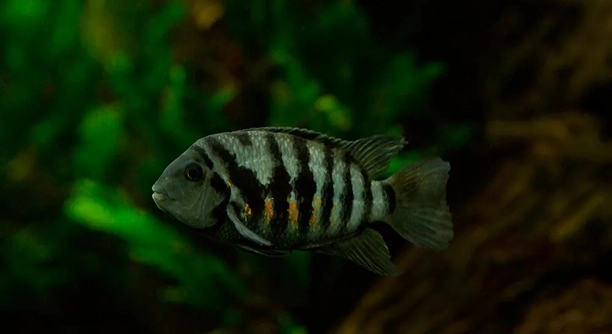
African cichlids are popular aquarium fish known for their bright colors and lively behavior. Sometimes, they display flashing—rapid rubbing or flicking motions—especially at night. This behavior can cause concern for fish owners trying to understand what’s happening in their tank.
Flashing in African cichlids at night often indicates irritation caused by parasites, poor water quality, or stress. This behavior serves as a response to discomfort, as the fish attempts to relieve itself by rubbing against surfaces.
Recognizing the causes behind flashing can help you maintain a healthier environment for your cichlids and prevent potential health issues from worsening.
Common Causes of Flashing in African Cichlids
Flashing in African cichlids usually happens because of irritation on their skin or fins. Parasites are a frequent cause—they latch onto the fish and cause discomfort. Poor water quality, including high ammonia or nitrite levels, can also lead to flashing. Stress plays a role as well, especially if the tank is overcrowded or lacks hiding places. Sometimes, sharp decorations or rough surfaces in the tank cause the fish to rub against them. Monitoring water parameters regularly and providing a clean environment can reduce flashing behavior. Identifying whether flashing is due to external parasites or other causes requires close observation. If you see flashing accompanied by white spots or visible parasites, it likely points to an infestation. Keeping stress low and water clean helps maintain healthy fish and reduces the chance of flashing caused by environmental factors.
In many cases, flashing is an early warning sign of health problems in your cichlid. It shouldn’t be ignored.
Understanding the reasons behind flashing allows you to take the right steps for treatment or tank adjustments. Acting quickly prevents further issues and keeps your cichlid comfortable and healthy.
How to Treat and Prevent Flashing
Treating flashing depends on the cause. If parasites are responsible, using an anti-parasitic medication recommended for cichlids is important. Always follow dosage instructions carefully. For water quality issues, performing regular water changes and testing ammonia, nitrite, and nitrate levels help maintain a stable environment. Reducing stress by avoiding overcrowding and providing plenty of hiding spots creates a peaceful tank for your fish. Removing sharp or rough decorations prevents physical irritation. Prevention includes quarantining new fish before adding them to the main tank to avoid introducing diseases. Maintaining a balanced diet supports the immune system, helping cichlids resist infections. Consistent tank maintenance and observation are key to keeping your fish healthy and flashing-free.
Treating flashing promptly and improving tank conditions helps your African cichlid feel better and avoid future problems. Taking these steps creates a safe and comfortable home for your fish to thrive.
Identifying Parasites on Your Cichlid
Parasites often cause flashing in African cichlids. Common signs include white spots, tiny moving dots, or patches of irritated skin. You might notice your fish scratching against tank decorations more frequently.
External parasites such as Ich or skin flukes attach to the fish’s body, causing irritation and flashing. These parasites multiply quickly if untreated, leading to more serious health problems. Careful observation of your fish’s behavior and appearance is important for early detection. Using a magnifying glass can help spot tiny parasites on fins or skin. Prompt treatment with appropriate medications is essential to stop the parasite from spreading to other tank inhabitants. Quarantining affected fish can also reduce transmission risks.
Maintaining good water quality and a clean tank environment helps prevent parasite outbreaks. Regular tank cleaning and avoiding overcrowding reduce stress and improve your cichlid’s resistance to infections. Providing a balanced diet strengthens their immune system and supports recovery from parasite infestations.
The Role of Water Quality in Flashing
Poor water quality is a major cause of flashing. Elevated ammonia, nitrite, or nitrate levels can irritate fish skin and gills, leading to discomfort. Dirty or unfiltered water increases the risk of infections and stress.
Testing water parameters regularly is critical. Using a reliable test kit helps you monitor ammonia, nitrite, and nitrate levels to keep them within safe limits. Frequent partial water changes remove harmful toxins and maintain stability. Ensuring proper filtration and adequate tank circulation also improves water quality. Avoid overfeeding, as leftover food decomposes and worsens water conditions. Keeping the tank clean and stable creates a healthier environment where your cichlids can thrive without irritation.
Consistent water maintenance is the best way to reduce flashing caused by poor water conditions. Healthy water means healthier fish, less flashing, and fewer health problems.
Stress and Its Impact on Flashing
Stress is a common trigger for flashing in African cichlids. Overcrowding, sudden changes, or aggressive tank mates can cause stress. This weakens their immune system and increases flashing behavior.
Providing enough space and hiding spots reduces stress. Keeping a stable environment helps your fish feel safe and lowers irritation that leads to flashing.
Recognizing Stress in African Cichlids
Stress often shows through changes in behavior and appearance. Your cichlid may become more aggressive, hide frequently, lose appetite, or show faded colors. Flashing is another clear sign.
Observing these signs early can help you address the causes before stress causes serious health problems. Reducing stress improves their overall well-being and stops flashing.
Importance of Tank Setup for Cichlid Health
A proper tank setup is crucial. It should mimic the cichlid’s natural habitat with rocks, caves, and plants for hiding. This reduces stress and prevents flashing caused by discomfort or aggression.
When to Seek Professional Help
If flashing continues despite all efforts, a vet or aquarium specialist should be consulted. Persistent flashing may indicate deeper health issues requiring expert diagnosis and treatment.
FAQ
Why is my African cichlid flashing only at night?
Flashing at night can happen because fish feel more vulnerable in low light. Parasites may be more active or irritating during this time, prompting the fish to rub against surfaces. Also, water parameters can change slightly at night, affecting their comfort. Watching your fish during both day and night helps identify patterns and possible causes.
Can flashing mean my fish is sick?
Yes, flashing often signals irritation or illness. Parasites, poor water quality, or stress can make your cichlid uncomfortable. If flashing is frequent or combined with other symptoms like lethargy, loss of appetite, or visible spots, it’s likely your fish needs treatment or environmental improvements.
How can I tell if parasites are causing flashing?
Look for white spots, redness, or tiny moving dots on your fish’s body and fins. Your cichlid might also scratch itself against rocks or decorations. Use a magnifying glass if needed. Parasites like Ich cause noticeable spots, while others might be harder to see but cause similar irritation.
What water parameters should I check to reduce flashing?
Test ammonia, nitrite, nitrate, pH, and temperature regularly. Ammonia and nitrite should always be zero. Nitrate levels should be below 20-40 ppm, depending on the species. Stable pH and temperature appropriate for African cichlids (around 7.8–8.6 pH and 75–82°F) help reduce stress and flashing.
How often should I change the water to prevent flashing?
A weekly water change of 20-30% is usually enough for a well-maintained tank. More frequent changes may be needed if water tests show high toxins or if the tank is heavily stocked. Regular water changes keep the environment stable and reduce flashing caused by poor water quality.
Can tank decorations cause flashing?
Yes, rough or sharp decorations can irritate your fish’s skin. If your cichlid frequently flashes by rubbing against certain spots, check those decorations for sharp edges or rough surfaces. Replace or smooth out any potentially harmful items to prevent physical irritation.
Does overcrowding cause flashing in cichlids?
Overcrowding increases stress and competition for territory, both of which can lead to flashing. Providing enough space and hiding spots reduces aggression and irritation. Keep the number of fish suitable for your tank size to create a peaceful environment that lowers flashing behavior.
Can diet affect flashing behavior?
A poor diet weakens the immune system, making your fish more susceptible to parasites and infections that cause flashing. Feeding a varied, high-quality diet supports overall health and helps your cichlid fight off irritations and recover from any skin problems.
What medications can help stop flashing?
Anti-parasitic treatments like copper-based medications or formalin are common for external parasites. Always identify the parasite type before treatment and follow dosage instructions carefully. Using medications unnecessarily can harm fish and beneficial bacteria, so proper diagnosis is important.
Is flashing normal behavior or always a problem?
Some occasional flashing is normal, as fish may rub to remove dead skin or clean themselves. However, frequent or intense flashing, especially paired with other symptoms, usually signals a problem. Monitoring your fish’s overall health helps determine when flashing is a concern.
Can poor lighting cause flashing?
Poor or inconsistent lighting can stress fish, indirectly causing flashing. African cichlids prefer a stable day-night cycle that mimics natural conditions. Sudden or irregular lighting changes can disrupt their routine, causing stress and increased flashing behavior.
How can I reduce stress to prevent flashing?
Maintain stable water conditions, avoid overcrowding, provide hiding places, and keep a consistent feeding schedule. Minimizing sudden changes in the tank environment helps your cichlid feel safe. Less stress means less flashing and healthier fish overall.
When should I quarantine new fish to avoid flashing?
Quarantine new arrivals for at least two weeks to monitor for parasites or diseases. This prevents introducing infections to your main tank, which can cause flashing in your established fish. Quarantine tanks should have similar water parameters and hiding spots to reduce stress.
Can flashing damage my fish’s skin?
Yes, constant rubbing can cause abrasions, open wounds, or infections. These injuries make the fish more vulnerable to bacteria and fungi, worsening their condition. Addressing flashing early prevents skin damage and keeps your cichlid healthy.
Are there any signs that flashing is improving?
Reduced frequency and intensity of flashing, better coloration, normal behavior, and no visible irritation indicate improvement. Your fish may also become more active and resume normal eating habits. Regular monitoring helps track recovery progress.
African cichlids flashing at night can be worrying, but understanding why it happens helps you care for your fish better. Flashing usually signals irritation or discomfort caused by parasites, poor water quality, stress, or physical factors in the tank. By paying close attention to your cichlid’s behavior and environment, you can often spot problems early and take steps to fix them. Maintaining clean water, a comfortable tank setup, and a peaceful community reduces flashing and supports your fish’s health.
Treating flashing starts with identifying the cause. Parasites are common and require specific medications, so it’s important to observe your fish carefully for signs like white spots or visible parasites. Water quality should be tested regularly, with ammonia, nitrite, and nitrate kept at safe levels. Stress can be reduced by avoiding overcrowding, providing hiding places, and keeping a stable environment. Sometimes, simple changes like removing sharp decorations or adjusting lighting improve your cichlid’s comfort and reduce flashing. Keeping a balanced diet strengthens their immune system and supports recovery.
Watching your fish regularly and maintaining their habitat prevents many issues that cause flashing. If flashing continues despite your efforts, seeking advice from a vet or aquarium expert can be helpful. Early action makes a big difference in your cichlid’s well-being. With proper care, your African cichlid can stay healthy, happy, and display the beautiful colors that first drew you to them. Remember, a calm and clean tank environment is the foundation for preventing flashing and ensuring your fish thrive.

Hello,
If you enjoy the content that we create, please consider saying a "Thank You!" by leaving a tip.
Every little bit helps us continue crafting quality advice that supports the health, happiness, and well-being of pets around the world, for pets of all shapes, sizes, and species.
We really appreciate the kindness and support that you show us!