
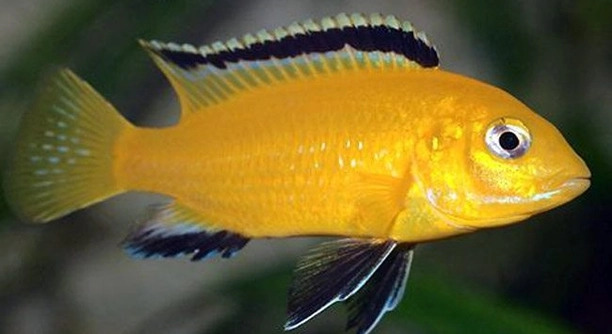
Is your African cichlid always tucked behind rocks or plants, rarely making an appearance in its tank? You’re not alone in noticing this behavior, and it can be confusing for many aquarium owners.
African cichlids often hide due to stress, poor water quality, lack of tank mates, or inadequate tank setup. This behavior can also stem from territorial disputes, illness, or a natural adjustment period in a new environment.
Understanding these reasons can help you create a safe and healthy space where your cichlid feels secure and confident to explore.
Common Reasons Your African Cichlid Is Hiding
African cichlids are active fish, but they often hide when something in their environment feels off. Poor water quality, for example, can lead to stress and hiding. Sudden changes in temperature or pH levels may cause them to retreat behind rocks or decorations. A lack of proper hiding spaces can also have the opposite effect, making them feel unsafe in open areas. Aggressive tank mates or an overcrowded tank may force a cichlid into hiding to avoid conflict. Illness is another possible reason. When a cichlid feels unwell, it will often isolate itself. Some cichlids also hide more during the acclimation phase when they’re adjusting to a new tank. Inadequate lighting or sudden changes in the room can startle them into hiding, especially if the tank lacks shaded areas or coverage. Observing their behavior closely can help identify what might be wrong in their environment.
If your cichlid hides all day, start by checking water quality and tank layout. Make sure nothing has changed.
Once your tank conditions are stable, you can begin to rule out other causes like aggression or illness. Watch how the fish interacts with others in the tank. If it’s being chased or harassed, consider adding more decorations or rearranging the setup to break up territories. Also, check for visible signs of disease such as white spots, cloudy eyes, or frayed fins. Hiding combined with a lack of appetite is a strong indicator of illness. On the other hand, if your cichlid is new, hiding may be temporary. Many fish take a few days or even weeks to get used to a new environment. Patience and a peaceful, well-maintained tank go a long way in making them feel secure and active again.
How to Help Your Cichlid Feel Safe
Rearranging the tank and improving water conditions often encourages hiding cichlids to come out. Add caves and plants to create a natural space.
Consistency is important when caring for African cichlids. Keeping the tank clean, maintaining stable water parameters, and providing a balanced diet all contribute to their overall sense of safety. If the tank is shared with aggressive species, use visual barriers like rocks and driftwood to give each fish its own space. A larger tank can also reduce aggression by giving fish more territory. Use a dimmer light if the cichlid seems overly startled by bright lighting. Feeding high-quality food at regular times builds trust, especially with shy fish. If illness is suspected, isolate the fish and treat promptly. Avoid tapping the tank or making loud noises nearby. Over time, a calm and comfortable setting will make your cichlid feel more confident. Once it feels safe, you’ll notice it swimming more freely and engaging with its environment.
Signs Your Cichlid Is Stressed or Unwell
If your African cichlid is hiding more than usual, other signs may help confirm stress or illness. Look for rapid breathing, faded color, lack of appetite, or erratic swimming patterns alongside its hiding behavior.
Stress often shows in subtle ways at first. A cichlid that was once active but now avoids food or lingers near the bottom could be reacting to poor water quality, bullying, or internal illness. Fin clamping, where the fins stay tight against the body, is another common indicator. Cloudy eyes or spots on the body may point to disease. Rapid gill movement can signal low oxygen or stress. Monitor its behavior closely over several days to detect changes. Small shifts in movement or posture, like twitching or frequent rubbing against tank surfaces, may mean something is wrong internally. Catching these signs early can make treatment more effective and recovery easier.
When stress lasts too long, the cichlid’s immune system weakens, making it more prone to disease. Parasites, bacterial infections, and fungal problems are more likely to take hold in fish already weakened by poor tank conditions or ongoing aggression. A stressed fish may stop eating entirely, become pale, or isolate itself in one spot. If you’ve ruled out aggression and water quality, check for symptoms of illness like swelling, ulcers, or stringy waste. In some cases, underlying conditions like swim bladder issues or internal parasites are harder to spot. In those moments, it’s helpful to observe their posture and swimming angles. When a cichlid floats oddly or struggles to stay balanced, it often means there’s a deeper health issue that needs attention.
Creating a Comfortable Tank Environment
Use a tank layout that gives your cichlid space to swim but also includes plenty of rocks and caves for shelter. This helps them feel more secure.
African cichlids come from rocky freshwater lakes, so they feel safest when their tank mimics this environment. Use natural-looking decorations like stacked stones, ceramic caves, or driftwood to form clear hiding places and territories. Avoid sharp objects that could injure your fish. A sandy substrate is ideal, as many cichlids enjoy digging. Plants can also help, but stick to hardy species or artificial ones that won’t be uprooted. A strong filter and regular water changes are essential to maintain a clean and stable setup. Keep the temperature between 75–82°F and test water weekly to prevent ammonia or pH swings. Spacing out decorations lets each cichlid claim its own area, which reduces conflict and hiding due to stress. Once the tank feels calm and balanced, your fish will show more natural behaviors and come out of hiding.
When Hiding Is Normal Behavior
Some African cichlids naturally spend time hiding, especially during breeding or after being added to a new tank. It’s part of how they protect themselves and adjust to changes in their surroundings.
Young or smaller cichlids may hide more often if they feel intimidated by larger tank mates. It’s a normal response.
Monitoring Your Cichlid’s Behavior Over Time
Tracking your cichlid’s behavior can help you understand what’s normal and what isn’t. Use a simple journal or log to note hiding patterns, eating habits, and changes in appearance. Consistent hiding paired with other warning signs should be taken seriously. But brief hiding, especially after tank changes, is usually nothing to worry about.
When to Be Concerned
If your cichlid is hiding along with skipping meals, changing color, or acting sluggish for several days, it may need medical attention.
FAQ
Why does my African cichlid hide behind the filter?
Your cichlid may be hiding behind the filter because it feels safe there. The filter creates a shaded, quiet area away from movement and light. If your tank doesn’t have enough caves, rocks, or plants, the fish will use the filter instead. It may also be avoiding aggression from other fish. Make sure the tank has plenty of hiding spots throughout the space, so your cichlid doesn’t rely on the filter alone. Rearranging decorations and adding more cover can help spread out hiding areas and reduce competition or bullying from tank mates.
Is hiding normal after introducing a new cichlid to the tank?
Yes, hiding is very common when a new cichlid is added. It may feel unsure or threatened in unfamiliar surroundings. This adjustment period can last a few days to a few weeks, depending on the fish’s personality and the behavior of other tank mates. During this time, it’s important to keep the tank quiet, avoid sudden changes, and make sure there are enough places to hide. If the cichlid starts coming out during feeding or exploring gradually, this is a good sign that it’s settling in. Avoid adding multiple new fish at once, as that can make the stress worse.
How can I tell if my cichlid is hiding due to aggression?
Aggression is a common reason African cichlids hide. Watch for chasing, nipping, or a dominant fish guarding a section of the tank. If your cichlid is always hiding in the same spot and avoids certain fish, it may be trying to stay safe. Aggression is more likely in overcrowded tanks or when too few hiding spaces are available. To reduce stress, rearrange the tank to break up territories and add rocks or barriers. Consider separating the aggressive fish if the behavior continues. Males, in particular, can be territorial, especially during breeding.
Should I remove a hiding cichlid from the tank?
No, removing the fish without cause can add more stress. It’s better to observe the behavior and assess the tank environment first. Check water quality, temperature, and compatibility between tank mates. Only remove the cichlid if it’s injured, sick, or being bullied to the point of harm. In those cases, a separate recovery tank may help. Otherwise, give it time to adjust in its current setup. Moving the fish too quickly may make the hiding behavior worse and interrupt its ability to build confidence in the tank.
Does lighting affect how much a cichlid hides?
Yes, lighting plays a role. Bright lighting can cause African cichlids to seek cover more often, especially if the tank lacks shaded areas. In the wild, they live in environments with plenty of rock cover and shifting light. Mimic that by adding decorations that block light or using dimmable lights. Too much exposure can make them feel exposed and vulnerable. Keeping the lighting consistent and soft can help your fish feel more comfortable and active. You can also experiment with a short period of lights off during the day if your fish seems stressed.
What should I do if my cichlid hides and won’t eat?
Hiding combined with loss of appetite is a concern. First, check water conditions, as poor quality can cause both behaviors. Then, observe other fish for signs of aggression or illness. If the cichlid looks pale, bloated, or has stringy waste, it may be sick and should be isolated. Try offering favorite or high-protein foods to encourage eating. Soaking food in garlic can also help stimulate appetite. If the fish continues to refuse food for several days, consult a vet or aquatic specialist for further guidance. Early treatment is key to recovery.
Can the tank layout influence hiding behavior?
Absolutely. A tank with few hiding spots or too much open space can make a cichlid feel exposed. African cichlids prefer rocky setups with multiple places to retreat. A well-planned layout with caves, plants, and varying heights makes the fish feel more secure. Avoid using just one large hiding spot, as it may lead to territorial disputes. Instead, spread smaller shelters around the tank. This encourages exploration and allows fish to find comfort without competing. When fish feel safe, they are more likely to show natural behavior and stay active.
Final Thoughts
African cichlids are known for their bold colors and active behavior, but they also have moments when they need to hide. This behavior is not always a sign of something wrong. Sometimes, it’s a natural response to changes in their surroundings or a part of their regular routine. Hiding helps them feel safe, especially in tanks that are new, crowded, or too bright. If the tank setup doesn’t give them enough space or cover, they will find any corner to rest in. It’s important to remember that each fish is different. Some are more confident, while others are more cautious.
When hiding becomes constant or is paired with other unusual signs, it may be time to look deeper. Things like poor water quality, aggressive tank mates, or illness can all lead to stress and cause your cichlid to stay out of sight. Observing their behavior over time helps you know what is normal and what may need attention. Small details, like how they swim, eat, or react to others, can give clues. Having a routine for checking water conditions and keeping the tank clean can prevent many issues. If something feels off, trust your instincts and look for any signs of discomfort in the fish.
Creating a tank that feels natural and peaceful can make a big difference. Rocks, caves, and stable water help your cichlid feel secure. Watching your fish come out, explore, and interact with others is one of the best parts of keeping them. But even when they hide, it doesn’t always mean something is wrong. With the right care, most hiding behavior can be managed or prevented. Stay patient, keep the tank calm, and make sure the setup fits your fish’s needs. Over time, your cichlid will begin to show its personality more, especially when it feels safe. A healthy, stress-free tank gives your fish the best chance to thrive and show its natural beauty.

Hello,
If you enjoy the content that we create, please consider saying a "Thank You!" by leaving a tip.
Every little bit helps us continue crafting quality advice that supports the health, happiness, and well-being of pets around the world, for pets of all shapes, sizes, and species.
We really appreciate the kindness and support that you show us!