
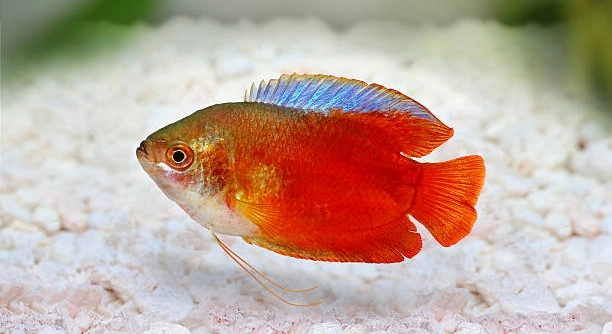
Gouramis are gentle and colorful freshwater fish that often show distinct preferences in their tank. They may avoid certain areas due to discomfort, stress, or environmental factors, making their behavior an important aspect of aquarium care.
Gouramis avoid parts of the tank mainly because of water quality, lack of hiding spots, strong currents, or presence of aggressive tank mates. These conditions can make them feel unsafe, stressed, or uncomfortable, influencing where they choose to swim and rest.
Recognizing these patterns can help you create a more comfortable environment for your gouramis and improve their overall well-being in the aquarium.
Water Quality and Tank Conditions
Gouramis are very sensitive to the environment they live in. Poor water quality can make them avoid certain areas in the tank. High ammonia or nitrite levels, sudden changes in temperature, or uneven filtration can stress them out. They may stay near the surface or in calmer corners to avoid discomfort. Strong currents or overly bright lighting can also make them hesitant to explore. Providing areas with gentle water flow and consistent temperature helps them feel secure. Adding plants, rocks, or decorations gives them hiding spots and reduces stress. Monitoring water regularly ensures it stays clean and balanced. Overcrowding the tank can also cause them to avoid spaces, as they feel threatened or anxious around other fish. By adjusting tank conditions, you can encourage more natural behavior and help gouramis explore freely without feeling the need to hide. Observing their reactions over time can guide you in maintaining a comfortable environment.
Maintaining proper water quality, gentle currents, and adequate hiding spaces encourages gouramis to feel safe throughout the tank.
By checking water parameters and making gradual adjustments, you can prevent stress and improve your gouramis’ behavior. Plants and decorations create natural barriers that give them security. Avoid placing strong-flow pumps directly where they swim, as this can push them into corners. Temperature stability is crucial, as sudden changes make them seek calmer areas. Consistent cleaning routines and moderate feeding also contribute to a stable environment. Overcrowding should be avoided, and tankmates should be chosen carefully to reduce competition and aggression. By observing their patterns and providing areas of comfort, you can gradually encourage gouramis to explore more of the tank while feeling safe and secure in their habitat.
Social Interactions and Tankmates
Gouramis may avoid areas with aggressive or dominant fish that intimidate them.
Interactions with other fish strongly influence where gouramis choose to swim. Aggressive tankmates can force them into hiding spots or corners, especially if they feel threatened during feeding or territorial displays. Some gouramis are naturally shy and prefer less populated areas. Choosing peaceful companions reduces tension, allowing them to explore freely. Social hierarchy can also determine which areas they claim as safe zones. Observing behavior helps identify stress patterns caused by other fish. Careful planning of tank population ensures a balanced environment where all fish feel secure. Behavioral enrichment, like adding plants or floating objects, can provide both privacy and stimulation. By understanding their social needs, you can create a tank layout that supports positive interactions while minimizing conflict, ultimately helping gouramis use more of the available space confidently.
Hiding Spots and Tank Layout
Gouramis often avoid open areas when there are no places to hide. Dense plants, caves, or decorations give them security and comfort, allowing them to explore more freely without feeling exposed.
Arranging the tank with a mix of tall plants, driftwood, and small caves helps gouramis feel safe. Open spaces may make them hesitant, especially if other fish are active nearby. They use hiding spots to rest, escape from stress, or establish personal territory. Floating plants can also create shaded areas, reducing light intensity and making the environment more comfortable. A well-planned layout encourages natural behavior, giving them confidence to swim through larger parts of the tank while always having a refuge nearby. Regularly checking for overcrowding around these areas ensures each fish has access to its own safe zone.
Providing multiple types of hiding spots prevents competition and gives gouramis options to choose their preferred safe areas. Careful placement of decor ensures they can navigate comfortably without feeling trapped or cornered. Maintaining balance between open swimming space and shelters encourages healthier, more active behavior.
Feeding Areas and Activity Levels
Gouramis may avoid certain areas during feeding if they feel unsafe or stressed.
Placement of food and feeding routines impact where gouramis spend time. If food is offered in open or exposed areas, shy or smaller gouramis may retreat to corners until larger or more dominant fish have eaten. Adjusting feeding locations and using smaller portions in different spots helps reduce competition and stress. Active gouramis may also explore areas away from others if there is enough cover nearby. Feeding near plants or in semi-covered areas encourages all fish to participate without fear. Watching their behavior during feeding helps identify problem zones and adjust the tank setup. Consistent schedules also promote comfort and predictability, encouraging gouramis to use more of the tank over time.
Tank design and activity management affect how gouramis interact with their environment. Rotating feeding locations, providing shaded areas, and minimizing sudden disturbances improve their willingness to explore. Observing movement patterns after feeding reveals which zones are avoided and why. Adding enrichment such as floating plants or leaf litter creates natural interest, giving gouramis multiple activity areas. Balancing tankmates’ behavior and food distribution ensures shy fish are not constantly excluded. Over time, gouramis become more confident and utilize open spaces while still having access to shelters. Regular monitoring of these patterns helps maintain a calm, well-organized tank that supports both feeding and general activity.
Light and Temperature Preferences
Gouramis avoid areas with intense light or sudden temperature changes. They prefer shaded or gently lit sections of the tank where they feel secure.
Temperature consistency is key. Sudden cold or hot spots make them move to more stable areas. Floating plants or shaded corners help maintain a comfortable temperature and reduce stress, encouraging them to explore safely.
Stress and Behavioral Patterns
Gouramis may stay in certain areas when stressed by new tankmates, changes in environment, or frequent disturbances. Stress can also arise from overcrowding, sudden noise, or aggressive interactions, causing them to seek secluded zones. Observing these patterns helps identify the causes and adjust the tank environment to minimize tension and promote calm, confident swimming.
Tank Maintenance and Water Flow
Strong currents or poorly placed filters can drive gouramis away from parts of the tank. They prefer gentle water flow and stable conditions to move comfortably and rest without resistance or stress.
FAQ
Why do my gouramis hide most of the time?
Gouramis hide when they feel stressed, unsafe, or overwhelmed. Common causes include poor water quality, strong currents, aggressive tankmates, or lack of hiding spots. Ensuring stable water parameters, gentle flow, and plenty of plants or decorations gives them comfort. Shy gouramis naturally prefer secluded areas, so hiding is a normal part of their behavior. Over time, they may explore more if they feel secure.
Can lighting affect where gouramis swim?
Yes, bright or direct light can make gouramis avoid certain areas. They prefer shaded or gently lit regions where they feel protected. Adding floating plants or tall decorations reduces light intensity, creating safe zones. Maintaining a regular light schedule also helps them adjust and explore the tank without stress.
Do tankmates influence gourami behavior?
Absolutely. Aggressive or highly active fish can push gouramis into corners or secluded spots. Peaceful tankmates reduce tension, allowing gouramis to swim freely. Observing interactions during feeding and daily activity helps identify which fish cause stress. Adjusting population or separating aggressive species can improve behavior and overall comfort.
How does water flow affect them?
Gouramis prefer calm water. Strong currents from filters or pumps can make them avoid certain areas. Positioning equipment to create gentle circulation ensures they can swim without struggling. Plants or decorations can also break strong flow and provide resting spots, letting them move comfortably throughout the tank.
Does tank size matter for their comfort?
Yes. Small or overcrowded tanks increase stress and limit movement. Gouramis need enough space to establish personal zones and explore safely. A spacious tank with plenty of hiding spots reduces territorial conflicts and promotes natural behavior, encouraging them to use more of the tank.
Why do gouramis avoid the bottom of the tank?
They often feel more exposed near the bottom if it lacks cover. Uneven substrate, lack of plants, or aggressive bottom-dwelling fish can drive them away. Adding soft plants, caves, or decorations at lower levels provides security, encouraging them to explore these areas without feeling threatened.
Can temperature changes cause avoidance?
Sudden temperature shifts can stress gouramis, making them move to more stable areas. Keeping water consistent and avoiding drafts or direct sunlight helps. Using a reliable heater and thermometer ensures a steady temperature that allows gouramis to swim comfortably without seeking refuge from extreme changes.
How do I encourage shy gouramis to explore more?
Creating multiple hiding spots while leaving open swimming areas gives them confidence. Gradually introducing tankmates and keeping feeding routines consistent helps them feel safe. Floating plants and gentle water flow also encourage exploration. Observing behavior and making small adjustments over time supports their natural curiosity without forcing them.
Can feeding location affect their movement?
Yes, shy gouramis may avoid exposed feeding areas. Offering food near plants or shaded spots reduces competition and fear. Splitting food into multiple locations ensures all fish eat comfortably. Over time, they associate feeding areas with safety, which encourages them to move more freely in the tank.
Do gouramis have preferred zones based on their species?
Some gourami species prefer mid to upper water levels, while others may like lower or shaded areas. Observing your specific species helps identify natural patterns. Matching tank layout to their preferences, such as providing floating plants or open swimming space, allows them to thrive in their preferred zones.
What is the impact of stress on their health?
Chronic stress can lead to reduced appetite, weakened immunity, and increased disease risk. Avoiding stressful areas and providing a stable, comfortable environment improves their health. Regular monitoring of water quality, tankmates, and behavior is essential to prevent long-term problems and maintain a happy, active gourami population.
Are there signs that a gourami is uncomfortable with the tank setup?
Yes. Persistent hiding, staying in one corner, refusing to eat, or rapid breathing are signs of discomfort. Identifying the source—whether it is water quality, tankmates, lighting, or layout—allows for corrective action. Adjusting the environment gradually helps them feel secure and more active.
How often should I check tank conditions for gouramis?
Daily observation of behavior combined with weekly water testing is recommended. Monitoring ammonia, nitrite, nitrate levels, temperature, and water flow ensures a stable environment. Small, regular adjustments prevent stress and encourage gouramis to explore all areas of the tank safely.
Can decorations alone make a tank feel safe for gouramis?
Decorations help, but they must be combined with proper water quality and peaceful tankmates. Plants, caves, and floating objects provide hiding spots, while stable conditions allow gouramis to feel secure. Thoughtful placement ensures multiple options for refuge and encourages natural, relaxed movement throughout the tank.
What role does tank cleaning play in their behavior?
Regular cleaning maintains water quality and reduces stress, making gouramis more likely to explore the entire tank. Removing waste and uneaten food prevents harmful ammonia spikes. Careful cleaning of plants and decorations ensures their hiding spots remain usable, preserving both safety and comfort for the fish.
Gouramis are sensitive fish that rely heavily on their environment to feel safe and comfortable. Their behavior, including avoiding certain areas in the tank, is often a clear reflection of how secure they feel. Factors such as water quality, lighting, tank layout, and the presence of other fish all play a role in their daily choices. Understanding these elements can help you provide a more suitable habitat that encourages natural behavior and reduces stress. By paying close attention to how gouramis move and interact with their surroundings, you can make small changes that have a significant impact on their well-being.
Water quality is one of the most important factors influencing gourami behavior. These fish are highly sensitive to fluctuations in temperature, pH, and the levels of ammonia, nitrite, and nitrate. Even minor inconsistencies can cause them to seek out safer areas or hide more often. Consistent monitoring and maintenance of the tank help prevent stress and allow gouramis to explore freely. Along with water quality, the flow and placement of filtration equipment can also affect comfort. Gentle currents are preferable, and placing filters in a way that avoids strong, direct flow creates more usable space for swimming. Incorporating plants, rocks, and other hiding spots not only provides security but also mimics their natural environment, which promotes confident and relaxed behavior.
Social interactions and tank layout also influence where gouramis spend their time. Aggressive or highly active fish can push them into corners, while peaceful companions encourage more movement. The arrangement of plants, caves, and floating objects offers both safety and mental stimulation. Feeding routines and locations also affect behavior, as shy gouramis may avoid open areas when food is placed in exposed spots. Providing multiple feeding locations and maintaining a calm, consistent environment reduces competition and stress. By carefully balancing these elements, you can create a tank that supports both the physical and emotional needs of your gouramis, helping them thrive and exhibit their natural, active behavior.

Hello,
If you enjoy the content that we create, please consider saying a "Thank You!" by leaving a tip.
Every little bit helps us continue crafting quality advice that supports the health, happiness, and well-being of pets around the world, for pets of all shapes, sizes, and species.
We really appreciate the kindness and support that you show us!