
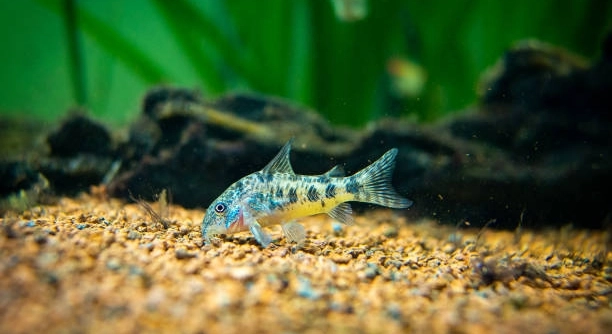
Corydoras catfish are popular in home aquariums due to their playful nature and unique behavior. If you notice your catfish swimming upside down, it may raise some concern. Understanding the reasons behind this behavior can help address the issue.
The primary reason your Corydoras catfish may swim upside down is due to a swim bladder issue. This condition can cause buoyancy problems, making it difficult for the fish to maintain its balance. Other factors include stress, water quality, or an injury.
Knowing the causes behind your catfish’s unusual swimming pattern will guide you in making necessary adjustments to improve its health and well-being.
Swim Bladder Issues
A swim bladder issue is one of the most common reasons why your Corydoras catfish might swim upside down. This organ controls the fish’s buoyancy, allowing it to maintain its position in the water column. If the swim bladder becomes damaged or infected, it can lead to difficulties with balance and orientation. This issue can happen for various reasons, including infections, injuries, or even genetic factors. Affected fish may struggle to stay upright or float erratically, which can be concerning.
Swim bladder problems can be caused by both physical injury and bacterial infections. The damage may disrupt the normal functioning of the swim bladder, leading to abnormal swimming behaviors.
Addressing swim bladder issues often requires adjusting the water conditions, ensuring a proper diet, and sometimes using medications to treat any infections. In some cases, the fish may need extra care, such as special feeding techniques or supportive treatments.
Poor Water Quality
Poor water quality can quickly stress out your Corydoras catfish and lead to unusual behaviors, including swimming upside down. Fish are sensitive to changes in their environment, and improper water conditions can lead to a weakened immune system, making the fish more susceptible to infections that affect its balance. High levels of ammonia, nitrites, or poor oxygenation can exacerbate the problem, making it harder for your fish to stay healthy and stable.
Regular water changes and testing are essential to ensure your aquarium remains a safe environment. Keeping water parameters in check is the best way to support your catfish’s overall health and avoid unnecessary stress.
Maintaining water quality is crucial not only for preventing swim bladder issues but also for the well-being of all your aquarium inhabitants. Make sure to use a reliable filtration system, monitor water chemistry, and adjust parameters to keep your fish comfortable and healthy.
Stress and Anxiety
Stress is another reason your Corydoras catfish might swim upside down. If the fish is exposed to sudden changes in its environment, such as bright lights, loud noises, or new tankmates, it can become stressed. This stress can manifest in unusual swimming behaviors, including upside-down swimming.
Excessive stress can lead to weakened immune systems, making your fish more prone to infections. A stressed catfish may also show other signs, like hiding or darting around the tank. Addressing these stressors promptly can help restore your fish’s behavior and overall health. Adjusting the tank setup and minimizing disturbances can go a long way.
If the stress persists, you may need to consider changing the tank’s setup or adding more hiding spots. A peaceful and stable environment with consistent water conditions will help reduce anxiety and prevent upside-down swimming. If your catfish shows signs of stress, consider removing any triggers that might be affecting its behavior.
Injury or Trauma
Injury or trauma to your Corydoras catfish can cause it to swim upside down. A fish may have been injured by sharp decorations, aggressive tankmates, or even accidental falls. Injuries to the swim bladder or other internal organs can disrupt the fish’s ability to swim properly.
If the fish’s injury is severe, it may not recover without medical attention. Sometimes, a simple adjustment in water conditions or medication can help the fish heal. However, in more serious cases, your catfish may need extra care to avoid further injury.
If you suspect injury, remove sharp objects from the tank and provide a peaceful environment for the fish to heal. Pay attention to any signs of swelling, torn fins, or other abnormalities. Ensuring proper care and a safe tank environment can help prevent injuries from affecting your fish’s health.
Overfeeding
Overfeeding your Corydoras catfish can lead to swim bladder problems, causing it to swim upside down. Excess food can result in bloating or digestive issues, which can affect buoyancy. It’s important to feed your fish only what it can consume in a few minutes to prevent such issues.
Excess food that isn’t eaten may also lead to poor water quality, which can further stress your fish and exacerbate swimming problems. Overfeeding can create an imbalance in the tank and may lead to the development of swim bladder conditions.
Make sure to feed your catfish small portions and remove any uneaten food from the tank to maintain both the fish’s health and the quality of the water. Feeding once or twice a day is generally enough for these bottom-dwelling fish.
Water Temperature
Corydoras catfish are sensitive to temperature fluctuations. Water that is too warm or too cold can make the fish uncomfortable and cause abnormal behavior, such as swimming upside down. Maintaining a stable water temperature is key to their well-being.
If the water temperature is too high, it can accelerate metabolism, leading to stress and other health issues. If it’s too cold, the catfish may become sluggish, affecting its ability to swim properly. Regularly check the water temperature and adjust the heater to maintain a comfortable environment for your fish.
A temperature range between 72°F and 78°F is ideal for Corydoras catfish. Keeping the temperature consistent will help avoid stress and keep the fish active and healthy.
Poor Diet
A poor diet can lead to nutrient deficiencies, causing health issues in Corydoras catfish. If your fish isn’t getting enough essential nutrients, it may struggle with swimming or exhibit other abnormal behaviors. An unbalanced diet can weaken its immune system and make it more prone to infections.
Make sure your catfish is receiving a varied and nutritious diet. A mix of high-quality pellets, frozen or live food, and occasional vegetable matter will help ensure your fish remains healthy. Consider adding foods rich in vitamins and minerals to keep its system strong.
A poor diet can also lead to digestive issues, which can affect buoyancy. Ensure you’re feeding your catfish the right amount and type of food for its size and age to promote long-term health.
FAQ
Why is my Corydoras catfish swimming upside down?
There are several potential reasons for your Corydoras catfish swimming upside down. The most common cause is a swim bladder disorder, which affects the fish’s buoyancy. Other reasons could include stress, poor water quality, injury, overfeeding, or even a poor diet. Each factor can cause the catfish to lose balance and swim erratically. It’s essential to identify the specific cause by observing your fish closely and checking water conditions, tankmates, and feeding practices.
How can I fix swim bladder problems in my Corydoras catfish?
To address swim bladder issues, start by ensuring proper water conditions. Check the temperature, pH, and ammonia levels to make sure they are within the appropriate range for Corydoras catfish. You can also try fasting your fish for a couple of days to give its digestive system time to rest. If the problem persists, consider using medicated treatments designed for swim bladder issues, available at most pet stores.
What can cause stress in Corydoras catfish?
Corydoras catfish can become stressed due to a variety of factors, including sudden changes in their environment, aggressive tankmates, poor water quality, or excessive noise. They are sensitive to bright lights and rapid movements, so a calm and quiet environment is essential for their well-being. Reducing stress is key to improving their health and behavior. You can also add plants and hiding spots to the tank to provide a sense of security.
Can overfeeding cause Corydoras to swim upside down?
Yes, overfeeding can cause Corydoras catfish to swim upside down. When a fish eats more than it can handle, its digestive system becomes overloaded, leading to bloating or gas buildup. This can interfere with its buoyancy and cause abnormal swimming. To prevent this, only feed your fish what it can consume in a few minutes and remove any leftover food after feeding time. Overfeeding also leads to water quality issues, which can further stress the fish.
What should I feed my Corydoras catfish?
Corydoras catfish are omnivores, so they require a balanced diet that includes both protein and plant matter. Offer them high-quality pellets designed for bottom-dwelling fish, as well as occasional live or frozen foods such as bloodworms, brine shrimp, or daphnia. You can also provide small amounts of vegetables like blanched zucchini or spinach. A varied diet ensures your catfish receives the nutrients it needs to stay healthy and active.
Is poor water quality a common cause of upside-down swimming?
Yes, poor water quality is one of the most common causes of unusual swimming behaviors in Corydoras catfish. High levels of ammonia, nitrites, or poor oxygenation can stress your fish and make it difficult for it to maintain its balance. Regular water changes and monitoring water parameters are essential to keep your fish healthy. Make sure your filtration system is working efficiently and that the water is kept within the appropriate range for your catfish.
How do I maintain proper water temperature for Corydoras catfish?
Corydoras catfish thrive in water temperatures between 72°F and 78°F (22°C to 26°C). It’s important to maintain a stable temperature to prevent stress and discomfort. Use an aquarium heater to regulate the temperature and check it regularly with a reliable thermometer. Rapid temperature fluctuations can cause stress and lead to health issues, so it’s best to keep the temperature steady and avoid placing the tank in drafty areas or near direct heat sources.
Can injury or trauma cause Corydoras to swim upside down?
Yes, injury or trauma can cause Corydoras catfish to swim upside down. Physical damage from sharp objects in the tank, aggressive tankmates, or even falls can affect the fish’s swim bladder or internal organs, making it difficult for it to swim properly. If your fish has been injured, make sure to remove any sharp decorations from the tank and monitor its condition closely. Providing a stress-free environment and ensuring the water quality is optimal can help the fish recover.
What is the best way to prevent Corydoras from swimming upside down?
To prevent Corydoras catfish from swimming upside down, ensure that their environment is stable and healthy. Regularly check water quality, keep the temperature consistent, and avoid overfeeding. Providing a peaceful, stress-free tank with appropriate tankmates and hiding spots will help keep your fish happy and prevent abnormal behaviors. Additionally, make sure your catfish has a balanced diet and remove any food leftovers promptly to prevent digestive issues.
How long does it take for a Corydoras catfish to recover from swim bladder issues?
The recovery time for a Corydoras catfish with swim bladder issues can vary depending on the severity of the condition and the underlying cause. In mild cases, such as overfeeding, fasting the fish for a few days may resolve the problem within a week. More severe cases, like bacterial infections, may take longer to heal and require medication. Monitoring your fish’s progress and ensuring water quality stays optimal will help speed up recovery.
Can Corydoras catfish get along with other fish?
Yes, Corydoras catfish are generally peaceful and get along well with most other fish, especially species that are not aggressive. They do best in community tanks with similar-sized, non-aggressive tankmates. However, it’s important to avoid keeping them with fin-nipping fish or overly aggressive species. Corydoras are bottom dwellers, so they prefer tanks with plenty of hiding spots and plants.
Should I treat all Corydoras catfish the same if they’re swimming upside down?
While the underlying causes of upside-down swimming can be similar, each Corydoras catfish may need different care depending on the situation. If one fish shows this behavior while others remain healthy, it may be a sign of an individual issue, such as injury or swim bladder disorder. Isolating the affected fish and addressing its specific needs, whether it’s adjusting water parameters, treating an infection, or modifying its diet, will be crucial for its recovery.
Are there any medications I can use to treat swim bladder problems?
Yes, there are several medications available to treat swim bladder problems in Corydoras catfish. These medications usually target bacterial or parasitic infections that may be affecting the swim bladder. However, it’s important to identify the root cause before administering any treatments. Consult with an aquarium professional or veterinarian to find the best course of action based on your fish’s symptoms.
Can water hardness affect my Corydoras catfish?
Yes, water hardness can affect Corydoras catfish. They prefer soft to moderately hard water with a pH between 6.0 and 8.0. Water that is too hard or too soft can stress the fish and lead to health problems, including difficulty swimming. Regularly testing the hardness and pH levels will help maintain a comfortable environment for your catfish. Adjusting water hardness can be done using conditioners specifically designed for aquarium use.
Final Thoughts
Corydoras catfish are generally hardy and peaceful fish that can thrive in a well-maintained tank. However, when they start swimming upside down, it’s important to carefully observe the potential causes. Whether it’s due to swim bladder issues, stress, or poor water quality, addressing the problem as soon as possible will help ensure your fish recovers quickly. Regular tank maintenance, such as cleaning the tank, monitoring water quality, and avoiding overfeeding, can prevent many of the common issues that cause abnormal swimming behavior.
Understanding the specific needs of your Corydoras catfish is key to providing them with a healthy and stress-free environment. Their peaceful nature makes them great companions for other fish, but they still require proper care to thrive. It’s important to remember that these fish are sensitive to their surroundings, so creating a stable and quiet environment is essential for their well-being. By focusing on proper tank conditions, feeding practices, and minimizing stress, you can help keep your catfish happy and avoid many of the problems that can lead to unusual swimming patterns.
Ultimately, if your Corydoras continues to swim upside down despite your efforts, it’s a good idea to consult with an aquarium professional or veterinarian. They can help diagnose the issue and suggest appropriate treatments. With the right care and attention, your Corydoras can recover from most issues and return to its natural, healthy state. By staying proactive and informed about your fish’s needs, you can ensure a long and happy life for your Corydoras catfish in your tank.

Hello,
If you enjoy the content that we create, please consider saying a "Thank You!" by leaving a tip.
Every little bit helps us continue crafting quality advice that supports the health, happiness, and well-being of pets around the world, for pets of all shapes, sizes, and species.
We really appreciate the kindness and support that you show us!