
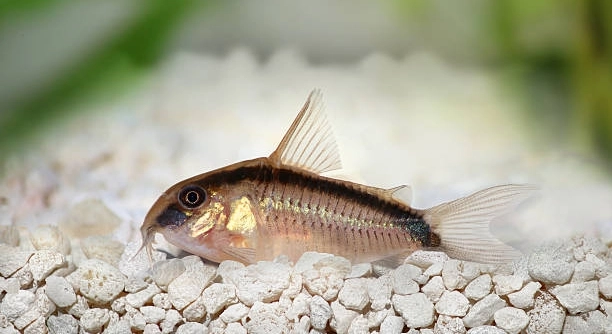
Corydoras catfish are known for their playful and active nature, but if you’ve noticed them swimming near the surface more than usual, you might be wondering why. Several factors could explain this behavior.
The main reason your Corydoras catfish swims near the surface could be related to oxygen levels in the water. Corydoras are sensitive to low oxygen and may seek higher oxygenated areas near the surface to breathe more easily.
Understanding these behaviors can help improve the health and well-being of your Corydoras catfish in the long run.
Low Oxygen Levels
Corydoras catfish are bottom-dwelling creatures that require adequate oxygen to thrive. If the oxygen levels in your aquarium drop, your fish may swim closer to the surface in an attempt to access better oxygenated water. Aquariums with poor water circulation, lack of aeration, or overcrowding are often the main causes of low oxygen levels. Regular water changes, proper filtration, and the addition of an air pump can help maintain oxygen levels and prevent stress in your fish.
Ensuring the water is properly aerated is essential for maintaining a healthy environment for your Corydoras. Oxygen-rich water allows your catfish to remain active and healthy.
In some cases, environmental factors like water temperature can exacerbate oxygen depletion. Warm water holds less oxygen, so if your tank is heated or your room temperature is high, this can worsen the situation. Installing a good-quality filter and air pump can help circulate water and ensure your catfish are breathing easier. Regular maintenance like cleaning filters and replacing water can also make a significant difference in oxygen availability.
Water Temperature
Water temperature plays a significant role in the behavior of Corydoras catfish. Higher temperatures lead to lower oxygen levels, and if the temperature in your aquarium is too warm, your fish may rise to the surface to get better access to oxygenated water. If the water is excessively warm, it can also cause additional stress. Maintaining a consistent temperature that falls within the ideal range for Corydoras, typically between 72-78°F (22-26°C), helps keep them comfortable.
Extreme fluctuations in water temperature or a poorly regulated heater can also cause problems. Make sure your aquarium has a reliable thermometer and heater to maintain a stable environment. Changes in temperature can stress your catfish and make them more likely to swim near the surface to compensate for oxygen deficiencies. The more stable your tank’s conditions, the healthier and more active your Corydoras will be.
Tank Size
Corydoras catfish are active swimmers that require adequate space. A cramped tank can lead to stress, making your fish swim near the surface. Ensure your tank is large enough to support the number of fish you have, as overcrowding can also contribute to poor water quality and oxygen depletion.
A tank that is too small or overcrowded increases the likelihood of stagnant water, which affects oxygen levels. Corydoras need space to roam and access the areas of the tank that are best oxygenated. A larger tank with proper filtration allows your catfish to thrive and reduces the stress that could cause them to swim near the surface.
Regular water changes and maintaining proper filtration will help manage the water quality, even in larger tanks. Providing a tank with enough space allows your Corydoras to feel secure and comfortable, reducing the chances they will move toward the surface in search of better conditions.
Stress from Tankmates
Corydoras are peaceful fish, but stress can result from aggressive tankmates. If your catfish feels threatened or harassed by more dominant fish, it may seek refuge near the surface. Stress causes many fish to display abnormal behaviors, such as unusual swimming patterns.
To reduce stress, ensure your Corydoras are housed with peaceful species. Avoid aggressive fish that may chase or nip at your catfish, as this can make them anxious and force them to swim in areas they typically avoid. Compatible tankmates create a calm environment where your Corydoras feel secure, promoting natural behavior.
Monitoring tankmate interactions is crucial. If you observe any signs of aggression, it might be time to rearrange the tank to provide more hiding spots. Adding plants or decorations can give your Corydoras places to hide and feel safer, preventing unnecessary stress.
Poor Water Quality
Dirty water can quickly lead to unhealthy living conditions for your Corydoras. Poor water quality may cause your catfish to swim near the surface in search of cleaner water. Ammonia, nitrites, and nitrates should be closely monitored to avoid harmful effects on their health.
Regular water changes and proper filtration are essential for maintaining water quality. If your aquarium water contains high levels of toxins, your Corydoras will be forced to swim closer to the surface to get away from the contaminated water near the bottom. Testing the water regularly helps keep harmful substances in check.
Investing in a good filtration system that is suitable for your tank size can help ensure water stays clean. Additionally, avoid overfeeding your fish, as uneaten food decomposes and contributes to water pollution, increasing the chances of poor water quality.
Insufficient Hiding Places
Corydoras like to have hiding spots in their tanks, which make them feel safe. Without proper hiding places, they may swim near the surface to avoid feeling exposed. Plants, rocks, and decorations can provide the necessary cover for your catfish to relax.
Adding caves or plants to the tank creates a secure environment where your Corydoras can retreat when they feel stressed or threatened. These hiding spots allow your fish to rest and regulate their behavior naturally. Ensure there are enough places for them to hide and feel safe from potential stressors in the tank.
Illness or Injury
When Corydoras are unwell or injured, they may swim erratically or seek the surface of the tank. Illnesses like parasites or internal infections can cause your fish to behave unusually. If the water quality is good and tankmates are peaceful, a health issue may be the cause of abnormal swimming behavior.
Watch for signs of illness such as pale coloration, clamped fins, or labored swimming. If your Corydoras consistently swim near the surface without a clear reason, it’s a good idea to check for physical injuries or consult a vet who specializes in aquatic species to address potential health concerns.
FAQ
Why is my Corydoras swimming near the surface all the time?
Corydoras may swim near the surface due to several factors, such as low oxygen levels, high water temperature, or poor water quality. They are bottom-dwellers that typically prefer to stay close to the substrate, but if the oxygen levels at the bottom of the tank are too low, they may move to the surface where it is easier to breathe. Checking water quality, ensuring proper filtration, and monitoring water temperature can help address this behavior.
Can poor water quality affect my Corydoras’ behavior?
Yes, poor water quality can significantly affect your Corydoras’ behavior. If ammonia, nitrites, or nitrates are at unsafe levels, your fish may swim near the surface to escape contaminated water. Regular water changes and maintaining a proper filtration system are essential to keep the tank clean and your Corydoras healthy. Be sure to test the water regularly for harmful substances.
Is it normal for Corydoras to swim near the surface when they are stressed?
Corydoras can swim near the surface if they are stressed. Stress can result from factors such as aggressive tankmates, overcrowding, or lack of hiding spots. When stressed, Corydoras may try to escape from perceived threats by swimming higher in the tank. Make sure your tankmates are compatible, provide hiding spots, and maintain a proper tank size to reduce stress levels.
How can I improve oxygen levels in my tank for my Corydoras?
To improve oxygen levels, consider adding an air pump or adjusting the flow rate of your filter to increase water circulation. A well-oxygenated tank ensures that your Corydoras can breathe easily. Keep an eye on the water temperature as well, since warmer water holds less oxygen. Regular water changes can also help maintain a healthy oxygen level in the tank.
Are high water temperatures harmful to Corydoras?
High water temperatures can be harmful to Corydoras, as they prefer cooler water within the range of 72-78°F (22-26°C). When the water temperature exceeds this range, it can reduce oxygen levels and cause stress. Use a reliable thermometer to monitor the temperature and ensure it stays within the ideal range. If needed, adjust the heater or improve tank ventilation to regulate the temperature.
How can I tell if my Corydoras are sick or injured?
Signs of illness or injury in Corydoras may include abnormal swimming behavior, such as swimming erratically or staying at the surface. Other symptoms can include faded coloration, clamped fins, difficulty swimming, or visible wounds. If you notice any of these signs, check water quality and observe your fish closely for any additional symptoms. It may be necessary to consult a vet with experience in aquatic species if the problem persists.
Can Corydoras swim to the surface to breathe air?
While Corydoras are primarily bottom-dwelling fish, they can swim to the surface to gulp air. This is usually a sign that the oxygen levels in the tank are too low. If your Corydoras are frequently swimming to the surface, it’s important to address the water quality and oxygen levels. Using an air pump or improving water circulation can help keep the oxygen levels balanced.
Why do my Corydoras swim erratically near the surface?
Erratic swimming near the surface can be a sign of distress, illness, or discomfort. Corydoras may swim in this manner if the water quality is poor, if they are stressed, or if there is a health issue. Examine the tank conditions, including water parameters, temperature, and tankmates, to rule out environmental factors. If everything seems fine, consider checking for signs of illness or injury.
Can overcrowding cause Corydoras to swim near the surface?
Yes, overcrowding can lead to increased stress and poor water quality, which may cause Corydoras to swim near the surface. When a tank is overcrowded, waste accumulates more quickly, which can lower oxygen levels and create a stressful environment. To prevent overcrowding, follow the recommended stocking guidelines for your tank size and perform regular maintenance.
How often should I do water changes for my Corydoras tank?
It’s recommended to perform water changes in your Corydoras tank at least once a week, removing 25-30% of the water each time. This helps maintain water quality and removes waste products that may accumulate. In heavily stocked tanks, you may need to perform more frequent water changes to ensure your Corydoras are living in a healthy environment.
Should I provide hiding places for my Corydoras?
Yes, Corydoras appreciate having places to hide, such as caves, plants, or decorations. Providing hiding spots helps reduce stress, giving your fish a place to retreat when they feel threatened or overwhelmed. Ensuring that your tank includes these hiding spots can prevent your Corydoras from swimming erratically or staying at the surface out of fear.
Can Corydoras swim to the surface if they are feeling threatened?
Yes, Corydoras may swim to the surface if they feel threatened by aggressive tankmates or environmental factors. They are shy fish and prefer to stay near the bottom of the tank, but they may seek higher water levels if they are stressed. To reduce this behavior, ensure that their tankmates are peaceful and that the environment feels secure for your Corydoras.
What should I do if my Corydoras keeps swimming at the surface?
If your Corydoras consistently swims at the surface, first check the oxygen levels in your tank and ensure the water quality is ideal. Next, check the water temperature to make sure it’s within the appropriate range. If the water conditions are good, but the behavior persists, consider observing your fish for signs of illness or stress and adjusting tankmates accordingly.
Are Corydoras bottom feeders?
Yes, Corydoras are bottom feeders. They are often found scavenging the substrate for food in their natural habitat. If your Corydoras are spending more time near the surface, it may indicate that there’s something wrong with the water quality, oxygen levels, or they are feeling stressed in their environment.
Final Thoughts
Corydoras catfish are typically peaceful and bottom-dwelling fish, but when they swim near the surface, it often signals an underlying issue. Whether it’s poor water quality, low oxygen levels, or stress, this behavior should not be ignored. Regular maintenance, such as water changes and monitoring the tank environment, can help prevent these issues. It’s important to keep the water clean, the temperature stable, and ensure that the fish have enough space and hiding places. By addressing these factors, you can improve your Corydoras’ quality of life and prevent unnecessary stress.
Ensuring your Corydoras’ health involves more than just maintaining the right water conditions. It’s also essential to observe their behavior closely. If they are swimming near the surface for extended periods, it’s a clear sign that something is off. Fish can’t vocalize their needs, so behavior is often the only clue we have to what might be wrong. Take time to watch for signs of illness, injury, or stress, and address them as quickly as possible. In some cases, an experienced aquarium professional may be needed to identify and treat specific issues.
Ultimately, taking a proactive approach to your tank’s environment and your fish’s behavior can help ensure that your Corydoras remain healthy and happy. Regular testing of the water, proper filtration, and providing a stress-free environment are crucial. By understanding why your Corydoras swim near the surface, you can make adjustments to address the root causes and create a more comfortable space for them. Maintaining a balanced tank and being attentive to your fish will go a long way in keeping them thriving.

Hello,
If you enjoy the content that we create, please consider saying a "Thank You!" by leaving a tip.
Every little bit helps us continue crafting quality advice that supports the health, happiness, and well-being of pets around the world, for pets of all shapes, sizes, and species.
We really appreciate the kindness and support that you show us!