
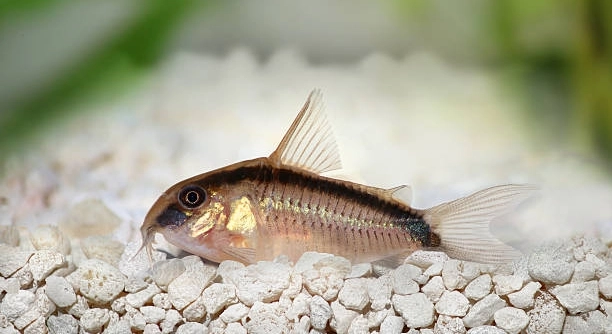
Corydoras catfish are popular aquarium fish, known for their unique behavior and appearance. However, owners may notice them rubbing against rocks or other objects in their tanks. Understanding the causes behind this behavior can help ensure their well-being.
Corydoras catfish may rub against rocks due to several reasons. It can be linked to skin irritation, stress, or an attempt to remove parasites. Additionally, environmental factors such as water quality or tank conditions can contribute to this behavior.
Addressing the underlying causes will help restore your catfish’s health. Knowing how to manage their environment and care can prevent further issues and improve their quality of life.
Understanding Corydoras Catfish Behavior
Corydoras catfish are bottom-dwelling fish that often display unique behaviors. When they rub against rocks or decorations, it may seem unusual, but there are clear reasons behind this action. It’s important to first evaluate the environment and any physical issues that could be causing this behavior. Commonly, rubbing may be a response to irritation, stress, or an attempt to remove unwanted particles from their bodies. Proper water quality and tank conditions are essential for their health. Additionally, tank mates and the overall atmosphere in the aquarium can influence their actions. Overcrowding or poor water circulation can cause stress, making the catfish more likely to rub against surfaces.
Stress and skin irritation often go hand in hand. Stressful conditions in the tank can trigger the catfish to act out, rubbing against rocks or decorations. When fish feel anxious or threatened, they may seek comfort by rubbing surfaces to ease discomfort. This behavior may also indicate skin irritation caused by minor infections or physical discomfort. Monitoring water quality and removing any aggressive tank mates can alleviate stress.
Water Quality and Tank Conditions
Water quality is a key factor in preventing skin issues in Corydoras catfish. These fish thrive in stable environments where the pH, temperature, and hardness of the water are ideal. Dirty or improperly filtered water can lead to skin problems, including irritation. Keeping the water clean helps reduce the chances of parasites and bacteria, which may lead to rubbing behaviors.
Maintaining an appropriate filtration system and performing regular water changes will keep the tank clean and safe for your catfish. Also, check the temperature and pH levels frequently to make sure they fall within the suitable range for Corydoras.
Skin Irritation and Parasites
Skin irritation is a common reason for Corydoras catfish rubbing against rocks. Parasites such as external protozoans or skin flukes can cause discomfort, prompting the fish to scratch themselves. This behavior may worsen if left untreated, leading to more severe infections.
A thorough inspection of the fish’s skin can help identify signs of parasites, such as lesions or white patches. If parasites are suspected, treating the tank with appropriate medications or salts can help eliminate the problem. Quarantining affected fish may also be necessary to prevent spreading. Maintaining a clean tank with stable water conditions reduces the chances of such outbreaks.
Regular observation is key to detecting early signs of irritation. If the catfish continues to rub against rocks despite proper treatment, further investigation into water quality and tank conditions is needed. Ensuring the tank is free of aggressive tank mates can also prevent stress-induced scratching.
Stress and Environmental Factors
Stress is another major factor that can lead to Corydoras catfish rubbing against surfaces. Overcrowded tanks, aggressive tank mates, and poor water quality can all cause stress, triggering abnormal behaviors like scratching. Even small changes in their environment can have a significant impact on their well-being.
To reduce stress, ensure the aquarium has enough space for all inhabitants. Provide hiding spots for the catfish and consider adding plants or decorations to mimic their natural habitat. Regular water changes and careful monitoring of ammonia and nitrate levels help keep the environment stable. When catfish feel safe and comfortable, they are less likely to rub against surfaces in distress.
Tank Mates and Aggression
Tank mates play a significant role in the behavior of Corydoras catfish. Aggressive or territorial fish can stress out the catfish, leading them to rub against rocks and decorations. If they feel threatened by tank mates, they may act out by scratching themselves to cope.
Adding peaceful species to the tank can reduce aggression and help the catfish feel safe. Avoid keeping Corydoras with fish that have a reputation for being territorial or overly active. Creating a peaceful environment encourages the catfish to be less stressed and more comfortable, reducing rubbing behavior.
Poor Tank Setup
A poorly arranged tank can contribute to Corydoras catfish rubbing against rocks. If the tank lacks hiding places or if there are sharp decorations, the catfish may scrape against surfaces, causing irritation.
Ensure the substrate is smooth and free of sharp objects. Adding plants and decorations that provide cover will help the fish feel secure and reduce rubbing. This setup mimics their natural habitat, allowing them to thrive without unnecessary stress.
Water Temperature and pH
Corydoras catfish require specific water conditions to remain healthy. If the temperature or pH falls outside their preferred range, it can lead to discomfort, prompting rubbing against rocks. The ideal temperature is between 72–78°F (22–25°C), and the pH should be slightly acidic to neutral.
Check the water temperature regularly and adjust as needed. Ensure the pH is within the proper range for Corydoras catfish. Maintaining stable water conditions is essential for preventing skin irritation and stress, reducing the likelihood of rubbing behaviors.
FAQ
Why is my Corydoras catfish rubbing against the rocks?
Rubbing against rocks is often a sign that something is bothering your Corydoras catfish. It could be caused by skin irritation, stress, or an attempt to remove parasites. If the water conditions aren’t ideal, the fish may scratch against surfaces to ease discomfort. Check the tank’s water quality and ensure there are no aggressive tank mates causing stress.
How can I tell if my Corydoras catfish has a parasite?
Parasites on Corydoras catfish are typically visible as white spots, lesions, or slimy patches on their skin. If your fish is rubbing against objects more frequently and you notice these signs, parasites could be the cause. A close inspection of the skin can confirm this, and a medicated treatment may be needed to clear up the issue.
Can I prevent my Corydoras catfish from rubbing against the rocks?
To prevent rubbing, maintain stable water conditions, including proper temperature and pH. Also, make sure the tank is not overcrowded and that all fish are compatible. Regular water changes, keeping the tank clean, and using smooth, non-abrasive substrates will also help prevent irritation. A stress-free environment goes a long way in keeping your fish healthy.
What can I do if my Corydoras is stressed?
If stress is the issue, start by evaluating the tank conditions. Overcrowding, incompatible tank mates, or sudden changes in the environment can cause stress. Add hiding spots and plants to create a more secure environment. Ensure the water quality is optimal and avoid drastic changes in the tank setup. A calm, peaceful environment will reduce stress and help the fish feel more comfortable.
Should I treat my Corydoras catfish for parasites even if I’m not sure?
If you notice signs of skin irritation or rubbing against rocks, it’s better to be cautious and treat the tank for parasites. Even if you’re unsure, parasites are a common issue for Corydoras catfish. Use a mild treatment for external parasites to be safe. Just ensure that the treatment is safe for all tank inhabitants.
How do I check the water quality for my Corydoras catfish?
Regularly test the water for ammonia, nitrites, nitrates, pH, hardness, and temperature. Corydoras catfish thrive in slightly acidic to neutral pH (6.0-7.5). The water temperature should be kept between 72°F and 78°F. Make sure the ammonia and nitrite levels are at zero, as these can be toxic to fish. Regular water changes and a reliable filtration system are essential for maintaining a healthy environment.
Can I put any fish with Corydoras catfish?
Corydoras catfish are peaceful and do well with other non-aggressive fish. Avoid keeping them with large or territorial species that could cause stress or harm. Good tank mates include small tetras, peaceful gouramis, and other bottom dwellers. Make sure your tank is spacious enough to avoid overcrowding.
What type of substrate is best for Corydoras catfish?
Corydoras catfish prefer a soft, smooth substrate such as fine sand or rounded gravel. Sharp or rough gravel can damage their sensitive barbels and skin. A soft substrate allows them to sift through the sand without causing injury. Sand also mimics their natural habitat, providing them with a more comfortable environment.
How often should I change the water in my Corydoras catfish tank?
For optimal health, you should perform water changes of 25-30% every week. Regular water changes help keep the water clean and remove excess waste that could lead to harmful toxins. A reliable filtration system can reduce the need for frequent changes, but it’s still important to monitor water quality regularly.
Why does my Corydoras catfish have cloudy eyes?
Cloudy eyes can be a sign of several issues, including poor water quality, injury, or an infection. If the water is dirty or contains high levels of toxins, it can lead to eye problems. Keep the tank clean, ensure proper filtration, and check for signs of infection. If the condition persists, a salt bath or medicated treatment may be necessary.
Can Corydoras catfish live with other bottom-dwelling fish?
Corydoras catfish are generally peaceful and can live with other bottom-dwelling species, as long as there is enough space and hiding places. Avoid species that might compete for the same food sources or territory. Fish like otocinclus or small loaches are usually good tank mates for Corydoras catfish.
How can I tell if my Corydoras catfish is healthy?
A healthy Corydoras catfish has clear, bright eyes, smooth skin, and active behavior. They should swim freely in the tank and forage along the substrate. Pay attention to any changes in their behavior, such as excessive rubbing, loss of appetite, or lethargy. Any of these signs can indicate a health problem.
Should I quarantine new Corydoras catfish before adding them to my tank?
Yes, it’s highly recommended to quarantine new fish for at least two weeks before introducing them to your main tank. This helps prevent the spread of diseases and parasites. During quarantine, monitor the new fish for any signs of illness or stress. This will protect your existing tank inhabitants from potential health issues.
What’s the best temperature for Corydoras catfish?
Corydoras catfish thrive in water temperatures ranging from 72°F to 78°F (22°C to 25°C). Water that is too hot or too cold can stress the fish, making them more vulnerable to disease and discomfort. Maintaining a stable temperature is key to keeping your catfish happy and healthy.
Can Corydoras catfish live in a tank with plants?
Yes, Corydoras catfish enjoy tanks with live plants. Plants provide hiding places, help maintain water quality, and create a more natural environment. Make sure the plants are not too dense, as Corydoras need room to move and forage. Plants like java moss or amazon sword are good choices.
Final Thoughts
Corydoras catfish are generally peaceful creatures, but when they start rubbing against rocks, it can signal an underlying issue that needs attention. It’s essential to identify the cause early to prevent further discomfort or health problems. Issues such as poor water quality, stress, or parasites are common reasons for this behavior. By maintaining a stable and clean environment, you can often prevent these problems and ensure the health of your catfish.
Understanding the signs and knowing how to address them will go a long way in keeping your Corydoras catfish happy and healthy. Ensuring that the water parameters, such as temperature and pH, are within the ideal range is critical. A stable environment that mimics their natural habitat, with appropriate substrates and peaceful tank mates, helps reduce stress and promotes well-being. Regular water changes and monitoring for any signs of illness are also crucial for long-term health.
If your Corydoras catfish continues to rub against rocks or shows other unusual behaviors, it may be worth consulting an expert or treating the tank with medications designed for external parasites. A proactive approach to tank maintenance and fish care can help prevent many issues from arising. Keeping your tank clean, maintaining optimal water conditions, and ensuring the fish feel safe and comfortable will allow your Corydoras to thrive in a healthy, stress-free environment.

Hello,
If you enjoy the content that we create, please consider saying a "Thank You!" by leaving a tip.
Every little bit helps us continue crafting quality advice that supports the health, happiness, and well-being of pets around the world, for pets of all shapes, sizes, and species.
We really appreciate the kindness and support that you show us!