
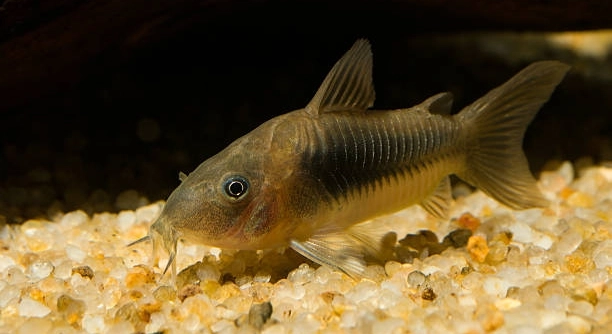
Corydoras catfish are popular aquarium fish, known for their peaceful nature and charming behavior. However, you may notice your fish often resting in the same spot, leading to concerns about their health or environment.
The most likely reason your Corydoras catfish keeps resting in the same spot is due to stress, illness, or poor water quality. These factors can cause them to seek comfort in a specific location within the tank.
Understanding the reasons behind your catfish’s behavior is key to maintaining a healthy aquarium. By exploring different theories, you can ensure that your fish remains happy and well-cared-for in their aquatic home.
Poor Water Quality
Corydoras catfish are sensitive to water quality, and poor water conditions can lead them to seek a familiar spot. They may become lethargic or cling to a corner of the tank if the water is polluted or has fluctuating parameters like pH, temperature, or oxygen levels. If you notice this behavior, check your tank’s water quality regularly.
Water quality plays a significant role in the overall well-being of your catfish. They thrive in clean, well-maintained water, so ensure that you perform regular water changes and monitor parameters closely. A filter that works well can help, but even with one, the water needs to be changed frequently.
Additionally, excess waste or uneaten food can quickly degrade water quality, creating an unhealthy environment for your fish. Test the water regularly for ammonia, nitrites, and nitrates, as these can indicate problems. A sudden drop or rise in temperature can also cause stress and make your catfish retreat to one spot. Adjusting the temperature slowly and ensuring the filter is running optimally can prevent unnecessary stress.
Illness or Injury
If your Corydoras catfish is sick or injured, it may isolate itself. Fish that feel unwell tend to seek safe, quiet places to rest. These resting spots can be away from the other fish in the tank to avoid any potential harassment or to escape the stress of social interaction.
Look for signs of illness, such as faded colors, lesions, or abnormal swimming. If your fish is staying in the same spot and not interacting with other fish, it could be a sign that something is wrong. A vet or an experienced aquarist can help you identify the issue.
When dealing with an ill Corydoras catfish, separating it from other fish in a quarantine tank may help reduce stress and prevent further health problems. It’s essential to take action quickly if you notice signs of illness. Some conditions, like parasites or bacterial infections, can spread quickly if not treated. Keep the water quality high and ensure that the fish has a peaceful environment to recover in.
Temperature Stress
Corydoras catfish are sensitive to sudden changes in temperature. If the water is too warm or too cold, they may rest in the same spot to conserve energy. This behavior can also indicate that they are stressed by the temperature fluctuations.
When the temperature is too high or low, Corydoras may become sluggish and inactive, seeking a specific spot in the tank where they feel more comfortable. These fish prefer stable temperatures, ideally between 72-78°F (22-25°C). A sudden shift can be very stressful for them, leading to long periods of inactivity.
To prevent temperature-related stress, always use a reliable aquarium heater and thermometer. Avoid placing your tank near windows, vents, or heaters, where the temperature may fluctuate throughout the day. Gradual temperature changes are less stressful for your catfish. If you notice your fish resting more frequently, it’s worth checking if the tank’s temperature is fluctuating too much or if it’s outside their preferred range. Keeping the temperature stable will help them feel secure and active.
Lack of Hiding Places
Corydoras are bottom-dwellers, and they need spaces to hide in their tank. Without proper hiding spots, they may feel exposed and stressed, causing them to stay in one place for comfort.
Corydoras are shy fish that enjoy the security of hiding places, like caves, plants, or decorations that provide shelter. If there’s not enough coverage in the tank, they will often retreat to a corner or hidden spot to escape from any perceived threats. This behavior is especially common in tanks with too few decorations or overly aggressive tankmates.
To ensure your Corydoras feels safe, add more plants, rocks, or ornaments. These will give your fish more places to explore and retreat to when they need some alone time. The more hiding spots available, the less likely they are to feel stressed. Providing a suitable environment will help them stay healthy and active. Keeping their tank well-decorated also encourages natural behavior and reduces the likelihood of them resting in the same spot.
Overcrowded Tank
An overcrowded tank can make your Corydoras feel cramped, causing them to stay in one spot. If there are too many fish in a small space, they may retreat to a corner to avoid the stress of competition for food or space.
Too many fish in a tank can lead to aggression, stress, and poor water quality, all of which affect your Corydoras’ behavior. In an overcrowded environment, fish may become lethargic and withdraw to a familiar, quiet area. This isolation helps them avoid conflicts with tankmates. Regularly assess your tank’s population and ensure you aren’t overstocking it.
If you notice that your Corydoras is spending more time resting in one spot than usual, consider checking your tank’s stocking levels. You might need to rehome some fish or upgrade to a larger tank to reduce the stress on your catfish.
Poor Diet
A poor diet can lead to health problems for Corydoras catfish, causing them to rest in one spot. If they are not getting enough nutrients, they may become lethargic.
Corydoras need a varied diet consisting of high-quality pellets, frozen or live food, and occasional vegetables. Feeding them the same thing every day or offering low-quality food can cause them to lose energy and become inactive. A poor diet also affects their immune system, leaving them more vulnerable to illness.
Ensure that your Corydoras get the right mix of food, such as sinking pellets, bloodworms, and brine shrimp. Supplementing their diet with fresh vegetables like zucchini or spinach can help keep them active and healthy. A well-rounded diet will prevent sluggishness and promote more natural behaviors.
Environmental Stress
Environmental stress can make your Corydoras seek out a familiar resting spot. Factors like bright lighting, loud noises, or heavy vibrations can disturb them, causing them to retreat and stay in one place.
Corydoras prefer a calm, dimly lit environment with minimal disturbances. Harsh lighting or constant noise can cause them stress, leading them to stay in a hidden spot for comfort. Over time, this stress can negatively impact their health and behavior.
Adjusting the tank’s lighting to a softer setting and minimizing noise around the aquarium can create a more peaceful environment. This will help your Corydoras feel more secure, reducing the need for them to hide or remain in one place for extended periods.
FAQ
Why is my Corydoras catfish always at the bottom of the tank?
Corydoras catfish are bottom-dwellers by nature. It’s normal for them to spend most of their time near the substrate, searching for food and resting. However, if they are always at the bottom and not moving much, it could indicate stress, poor water quality, or an underlying health issue. You may need to check the water parameters and overall tank conditions to ensure everything is optimal for your catfish.
Can Corydoras catfish sleep in one spot for long periods?
Yes, Corydoras catfish can rest or sleep in the same spot for extended periods. This is typical behavior for them, especially when they feel safe or secure. However, if your fish is excessively lethargic or shows no signs of movement for days, this could be a sign of stress or illness. Keep an eye on their behavior, and make sure their environment is suitable.
Do Corydoras catfish like to swim in groups?
Corydoras are social fish and thrive in groups. It’s recommended to keep at least three to six of them together. In a group, they feel more secure and less likely to hide in the same spot all the time. A group of Corydoras also helps encourage natural behavior and reduces stress.
How do I know if my Corydoras catfish is sick?
Signs of illness in Corydoras catfish include faded colors, difficulty swimming, abnormal swimming patterns, or staying in one spot too often. They may also have visible lesions, swelling, or signs of parasites. If your catfish is exhibiting any of these symptoms, it’s important to address the issue quickly. A vet or experienced aquarist can help identify the cause.
Should I be concerned if my Corydoras is always hiding?
Hiding is normal behavior for Corydoras, but excessive hiding could indicate that something is wrong. It may be a sign of stress, poor water quality, or illness. Check if your tank has enough hiding spots and ensure that the other fish are not harassing your catfish. Also, test the water parameters to rule out any issues.
Can I keep other fish with my Corydoras?
Yes, Corydoras are peaceful fish and usually do well with other non-aggressive species. However, it’s important to choose tankmates carefully. Avoid keeping them with large or aggressive fish that may stress them out or eat them. Smaller, calm fish are ideal companions for Corydoras, like tetras or peaceful gouramis.
Is it normal for Corydoras to stay still and not move?
Occasional stillness is normal, especially when Corydoras are resting or sleeping. However, if your catfish stays completely still for prolonged periods, it may be a sign of stress, illness, or poor water conditions. Check for any changes in behavior, water quality, or other tank parameters that may be affecting your fish.
How often should I feed my Corydoras catfish?
Corydoras are scavengers and prefer smaller meals throughout the day. Feed them once or twice a day with a variety of foods, such as sinking pellets, bloodworms, or brine shrimp. Avoid overfeeding, as excess food can pollute the water. Make sure any uneaten food is removed from the tank after a few hours to keep the water clean.
Can Corydoras catfish live with shrimp?
Corydoras catfish and shrimp can often live together peacefully. Corydoras typically don’t pose a threat to shrimp, especially if the shrimp are larger species. However, small or baby shrimp may become potential food for larger Corydoras. It’s important to ensure that the tank has plenty of hiding places for shrimp to feel secure.
What temperature should the water be for Corydoras catfish?
Corydoras catfish prefer a temperature range of 72-78°F (22-25°C). If the temperature is outside this range, it can cause stress, leading to behavior changes like staying in one spot. Keep the temperature stable and within this range to ensure your fish stay comfortable and healthy.
Final Thoughts
Corydoras catfish are generally peaceful and low-maintenance fish, making them a popular choice for many aquarium enthusiasts. However, when they start resting in the same spot frequently, it can raise concerns. While it’s normal for these fish to stay in one spot occasionally, excessive stillness could indicate stress, poor water quality, or even health issues. Understanding the possible causes of this behavior is important in providing the right care for your catfish.
Several factors can contribute to your Corydoras catfish resting in the same spot. One of the most common reasons is poor water quality. Corydoras are sensitive to water conditions, so keeping their tank clean and well-maintained is crucial. Regular water changes, proper filtration, and monitoring the water’s pH, ammonia, nitrite, and nitrate levels can help prevent stress. If the water quality is off, your catfish may retreat to a spot in the tank to avoid the discomfort caused by harmful chemicals or poor conditions.
Other potential causes include temperature stress, overcrowding, lack of hiding places, or even a poor diet. Corydoras catfish are sensitive to temperature changes and need a stable environment to stay healthy. If your tank is overcrowded, it can cause stress and force your catfish to stay in one spot. Providing plenty of hiding spots, like rocks or plants, can make them feel secure. Additionally, offering a varied and balanced diet will help keep them energized and active. By considering these factors and ensuring optimal tank conditions, you can improve your Corydoras’ quality of life and prevent this behavior from becoming a problem.

Hello,
If you enjoy the content that we create, please consider saying a "Thank You!" by leaving a tip.
Every little bit helps us continue crafting quality advice that supports the health, happiness, and well-being of pets around the world, for pets of all shapes, sizes, and species.
We really appreciate the kindness and support that you show us!