
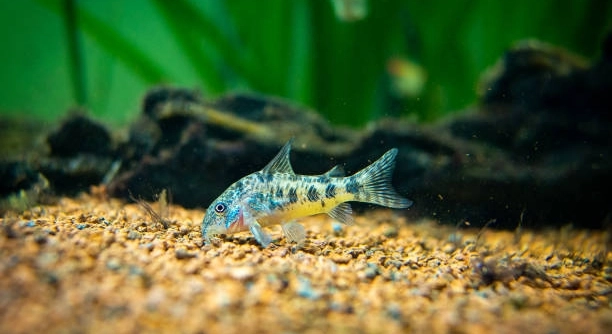
Is your Corydoras catfish constantly nudging the glass, making you wonder what might be behind this repetitive behavior in your tank?
Corydoras catfish often nudge the glass due to stress, reflections, environmental changes, or social behavior. This repetitive action may indicate discomfort, curiosity, or a natural response to stimuli within their surroundings, including water quality or tank layout.
Understanding these behaviors can help improve your catfish’s tank setup and overall well-being, creating a more peaceful and healthy environment for your aquatic friend.
1. Reflections Trigger Instinctive Responses
When your Corydoras catfish repeatedly swims against or nudges the glass, it could be reacting to its own reflection. In tanks with clear, highly reflective glass, fish can mistake reflections for another fish, triggering territorial or social behaviors. Corydoras are peaceful by nature but still sensitive to changes in their space. If they think another fish is present, especially in an area they feel attached to, they may try to interact or defend the space. Bright lighting can intensify this issue by enhancing the reflection, making it harder for the fish to distinguish between the real and the mirrored image. This interaction may persist if the lighting and angles remain unchanged.
Try dimming the light near the tank or adjusting the background to reduce glare and visual confusion for your fish.
A reflective surface often leads to confusion, making the catfish behave as if another fish has entered their space, triggering an ongoing response.
2. Poor Water Quality or Temperature
Changes in water quality can be stressful for Corydoras catfish and may result in unusual swimming patterns or glass-nudging behavior.
These fish rely on consistent parameters to feel secure. Ammonia spikes, low oxygen levels, and temperature swings can all disrupt their sense of stability. If the water becomes uncomfortable, Corydoras may search for relief or escape by nudging the tank’s boundaries. Testing your water regularly is key—check for ammonia, nitrites, and nitrates, and make sure the tank is well-oxygenated. Keeping the temperature between 72°F and 78°F is important. Even slight variations outside this range can stress them. A stressed fish may swim along the glass rapidly, breathe heavily, or refuse food. Maintaining proper filtration, regular water changes, and ensuring you aren’t overfeeding are simple ways to keep the tank stable. Corydoras are sensitive creatures, and even subtle water changes can lead to behaviors that seem out of place but are actually signs of distress.
3. Natural Foraging Behavior
Corydoras are bottom dwellers and constantly explore their surroundings. Nudging the glass may simply be part of their regular scavenging behavior, especially if they notice movement or food particles near the tank walls.
These fish have sensitive barbels that help them detect food hidden in the substrate. Sometimes, leftover particles stick to the glass or get trapped in corners, and the catfish may be drawn to those areas during their search. They’re naturally persistent, often inspecting the same area repeatedly if they think there’s food nearby. Even if the surface is clean, the habit of checking can remain. It’s important to provide a clean substrate and balanced feeding schedule to avoid confusion during foraging. Keep decorations or smooth stones near the glass to redirect their attention. While this behavior may seem odd, it’s usually harmless and simply a sign that they’re comfortable enough to keep exploring.
If you notice this happening more after feeding, it’s likely just part of their feeding routine. Corydoras are known for gently grazing and will include glass surfaces in their search. It doesn’t always mean something is wrong, but it’s good to monitor the behavior in case it increases suddenly or looks frantic.
4. Glass Surfing from Stress
Corydoras catfish may “glass surf” when they’re feeling unsettled. This involves swimming up and down the tank walls, often in a repetitive pattern, which can indicate boredom, stress, or environmental discomfort.
Stress-related glass surfing usually stems from issues like tank overcrowding, lack of hiding spaces, or sudden changes in routine. Corydoras prefer calm, stable environments and need soft substrate, clean water, and quiet tankmates. If they’re exposed to constant disruption, whether from other fish or human activity, they may start pacing the glass as a reaction. Adding more cover, such as live plants or driftwood, can help them feel secure. Keeping them in groups of six or more also supports natural behavior and reduces anxiety. If your Corydoras are pacing alone or showing signs of distress like rapid gill movement, it’s worth checking the tank’s setup. Addressing the source of stress usually leads to quick behavioral improvement and a healthier tank overall.
5. Searching for Companions
Corydoras are social fish that thrive in groups. If kept alone or in small numbers, they may appear restless and press against the glass while searching for company or reassurance.
This behavior is more common when the tank feels too quiet. Corydoras gain comfort from schooling and often move in sync.
6. Tank Setup Is Too Sparse
A plain tank with little decoration or cover can make Corydoras feel exposed. Without places to hide or explore, they may resort to glass nudging as a sign of unease or boredom.
Add driftwood, smooth stones, or plants to help them feel more at ease in their environment.
7. Nighttime Activity and Lighting
Corydoras are active at night and respond to low light conditions. If lighting is too intense or inconsistent, they may act differently, including nudging the glass. Use soft lighting and maintain a predictable schedule to avoid overstimulating them.
FAQ
Why do Corydoras nudge the glass so often?
Corydoras may nudge the glass due to several reasons such as searching for food, responding to reflections, or feeling stressed. If the tank’s environment is not suitable, such as poor water quality or inadequate space, these fish may display unusual behaviors like glass nudging. Sometimes, the nudging is simply a sign that the fish is curious or exploring its surroundings, as Corydoras are bottom dwellers that naturally search for food. Over time, glass surfaces may attract these fish, especially if any leftover food particles are stuck there.
Can I prevent my Corydoras from nudging the glass?
Yes, there are steps you can take to minimize glass nudging. Ensure your tank is well-decorated with smooth stones, driftwood, and plants to give the fish places to hide and explore. Providing a group of six or more Corydoras can also help them feel secure, as they are social creatures. Additionally, keep the water quality high with regular maintenance and monitor lighting to avoid reflections. If glass nudging is due to stress, addressing the root cause—whether overcrowding, water temperature, or tankmates—can reduce this behavior.
How often should I clean the glass of my aquarium?
The glass should be cleaned regularly, depending on how much algae or debris builds up in your tank. If there are visible signs of algae, or if food or waste sticks to the surface, it’s time to clean. Use a soft algae scraper or sponge to remove buildup, but avoid harsh chemicals. Regular maintenance of the tank, including weekly water changes and filter cleaning, will help prevent algae from forming in the first place.
Do Corydoras need a filter?
Yes, Corydoras thrive in tanks with proper filtration. They require clean water to stay healthy and avoid stress, which can trigger unwanted behaviors like nudging the glass. A filter helps maintain water quality by removing debris, excess food, and waste products. Just ensure the filter’s current isn’t too strong, as Corydoras prefer gentle water flow. The filter should be suitable for the size of your tank, and maintenance is key to keep water clear and oxygenated.
What temperature do Corydoras need?
Corydoras prefer temperatures between 72°F and 78°F. Keeping the tank within this range helps them stay comfortable and active. Any sudden temperature fluctuations can cause stress, leading to unusual behaviors like glass nudging. If your tank temperature is too low or too high, it can affect the fish’s immune system and cause stress-related actions. A reliable aquarium heater can help maintain the right temperature.
Is it okay if I have just one Corydoras in the tank?
Corydoras are social fish and are best kept in groups of at least six. If kept alone or in small numbers, they may feel isolated, which can lead to stress and behaviors like glass nudging or surface swimming. A group allows them to interact, feel secure, and display natural behavior. Keeping Corydoras in schools also prevents them from becoming too anxious, as they rely on each other for companionship and reassurance.
Do Corydoras need a lot of space?
While Corydoras are small, they do require enough space to swim freely and comfortably. A cramped tank can lead to stress, and the fish may begin to exhibit repetitive behaviors, such as nudging the glass. A minimum tank size of 20 gallons is recommended for a small group of Corydoras. More space means more room to explore, hide, and interact, which contributes to their overall well-being. Proper tank size, along with decorations and a clean environment, can greatly reduce unwanted behaviors.
Why is my Corydoras swimming erratically?
Erratic swimming can be a sign of stress, illness, or discomfort in Corydoras. If the water quality is poor, they may swim in an erratic or disoriented manner. Check for ammonia, nitrites, or nitrates in the water, as high levels of these can make your fish behave strangely. If the behavior persists, consider checking for signs of illness such as swelling, discoloration, or fin damage. It’s important to maintain a stable environment and address any water issues to keep your Corydoras calm and healthy.
Can Corydoras live with other fish?
Yes, Corydoras are peaceful and can live with many other species, provided the tankmates are non-aggressive. They work well with other peaceful fish like tetras, guppies, and mollies. Avoid keeping them with larger, aggressive species that might harm them. Corydoras should also be kept with other bottom-dwelling fish for harmony, as they often share similar habitats and behaviors. Be mindful of tank size to ensure there is enough space for all fish to thrive.
What kind of food should I feed my Corydoras?
Corydoras are omnivores and benefit from a varied diet. They will eat sinking pellets, flakes, and live or frozen foods like bloodworms and brine shrimp. It’s important to feed them small amounts of food that sinks to the bottom, as they are bottom feeders. Avoid overfeeding, as excess food can decay and negatively impact water quality. Regular feeding helps maintain their health and can prevent glass nudging caused by hunger or boredom. A balanced diet ensures they get the nutrients they need for energy and growth.
How do I know if my Corydoras is stressed?
Stressed Corydoras may show several signs such as erratic swimming, hiding more than usual, or glass nudging. Stress can be caused by poor water quality, overcrowding, or aggressive tankmates. You may also notice changes in eating habits, with some Corydoras refusing food or becoming lethargic. If you observe these behaviors, check the tank’s water quality, temperature, and tankmates. Addressing these factors will help reduce stress and improve the fish’s behavior.
Final Thoughts
Corydoras catfish are unique and fascinating creatures that can bring a lot of joy to your aquarium. However, understanding their behaviors is essential for creating the best environment for them. When your Corydoras catfish starts nudging the glass, it can be a sign of various factors at play. Whether it’s looking for food, reacting to its reflection, or seeking companionship, the behavior is often a result of their natural instincts. Recognizing these signs early can help prevent stress and ensure the fish remain healthy and active.
To keep your Corydoras happy, it’s important to provide a tank that offers both physical and social comfort. Make sure the tank is well-decorated with plants, rocks, and hiding spots. A calm environment helps reduce anxiety and allows the fish to feel secure. Keeping them in groups of at least six will also promote social behavior and prevent loneliness, which can lead to repetitive actions like glass nudging. Regular water changes and maintaining proper water conditions are crucial as well. Clean water helps keep your fish stress-free and ensures that the aquarium remains a safe and comfortable home.
Lastly, pay attention to your Corydoras’ overall well-being. Healthy fish are active and explore their surroundings without excessive nudging. Monitor their behavior for any signs of illness or discomfort. If you notice any unusual changes in behavior, such as frequent glass nudging, it could indicate a deeper issue, such as poor water quality or an unsuitable tank setup. By understanding the needs of your Corydoras and responding to their behaviors promptly, you can create an environment where they thrive. With the right care and attention, your Corydoras can live a long and healthy life in your aquarium.

Hello,
If you enjoy the content that we create, please consider saying a "Thank You!" by leaving a tip.
Every little bit helps us continue crafting quality advice that supports the health, happiness, and well-being of pets around the world, for pets of all shapes, sizes, and species.
We really appreciate the kindness and support that you show us!