
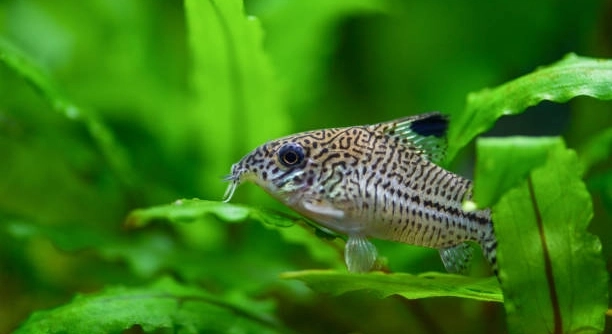
Corydoras catfish are popular aquarium fish known for their peaceful nature and unique behaviors. One of the most common behaviors is their tendency to move in short bursts. This intriguing activity often leaves aquarium owners wondering about its cause.
The main reason why your Corydoras catfish moves in short bursts is likely related to their natural instincts. These fish are scavengers, and their movements are designed to help them find food and avoid potential predators.
Understanding the underlying causes behind these short bursts can provide valuable insights into your Corydoras’ health and well-being. Exploring the reasons behind this behavior can help create a better environment for your fish.
Natural Hunting Instincts
Corydoras catfish are bottom-dwellers, meaning they spend much of their time searching the substrate for food. Their short bursts of movement often mimic the behavior of fish that are actively scavenging. These bursts are likely a way for them to stir up small particles or uncover hidden food in the aquarium. Their quick, darting movements allow them to move over small areas rapidly, ensuring they don’t miss out on any potential meals.
This behavior is normal and natural. It’s simply part of how these fish interact with their environment. If your catfish is moving quickly, it might be scanning the tank for leftover food or other debris that it can nibble on.
However, you may notice this movement even after a meal. This could indicate that your Corydoras is still trying to find something more, or it could be a sign of stress or boredom. It’s important to pay attention to their behavior and environment.
Environmental Factors
Stress is a significant factor in how Corydoras catfish behave.
If your fish feels threatened or uncomfortable, it may begin darting around more frequently. This could happen due to a variety of environmental factors, such as poor water quality, overcrowding, or incompatible tankmates. Corydoras are sensitive to sudden changes in their environment, and any disruptions can cause them to become anxious.
Keeping your tank clean and making sure all your fish are compatible is crucial for reducing stress. Corydoras thrive in well-maintained tanks with peaceful fish that don’t stress them out. When their surroundings are stable, these fish tend to move in a more relaxed manner, so keeping the aquarium in balance will go a long way in reducing sudden bursts of movement.
When considering your Corydoras’ environment, always check the water temperature and pH levels as well. Fish in poor conditions might feel like they have to escape quickly, making their movements faster and more frequent.
Water Quality Issues
Water quality plays a big role in your Corydoras’ behavior. Poor water conditions can stress them, leading to more erratic movements. If the tank has high levels of ammonia or nitrites, the fish may feel the need to move quickly in search of safety or a more comfortable space.
To prevent this, regular water changes are crucial. Ensure that the filtration system is running efficiently and that the water parameters are optimal. Corydoras catfish are particularly sensitive to poor water quality, so it’s important to monitor pH levels, ammonia, nitrites, and nitrates consistently. Clean water ensures they are not overworked or stressed, helping them maintain calm behavior.
Also, be mindful of the temperature. Corydoras prefer cooler waters, and temperatures that are too high can make them more active and stressed. Maintaining the right water conditions reduces the chances of erratic, burst-like movements, allowing the catfish to feel more at ease and move in a more relaxed manner.
Tankmates and Social Behavior
Corydoras are social creatures, and the presence of tankmates can influence their activity levels. If your fish are in a tank with aggressive or overly active species, they may move more frequently to avoid conflict or hide from perceived threats. This can lead to short bursts of movement as they try to find a safer spot in the tank.
Adding more Corydoras to your tank can help balance their activity levels. These fish are much happier when kept in groups, and having multiple Corydoras around can make them feel less stressed. With more of their kind present, they tend to act more confidently and less erratically.
When choosing tankmates, be sure to pick peaceful species that don’t intimidate or chase the Corydoras. Small, non-aggressive fish are ideal companions. In a peaceful tank environment, Corydoras will be less likely to dart around and more likely to engage in calm swimming behavior.
Feeding Behavior
Corydoras catfish are scavengers, which means they often move quickly to find food. This behavior helps them uncover food particles in the substrate or explore hidden corners for leftovers. Their fast movements allow them to thoroughly search for anything edible, mimicking natural hunting instincts.
If you notice your Corydoras moving rapidly after feeding, it could simply be their way of scavenging for missed morsels. Make sure to feed them a balanced diet, with small portions spread throughout the tank, to encourage their natural foraging behavior. Overfeeding can also lead to increased activity as they try to find food.
Health and Disease
Sick Corydoras may show bursts of activity as a sign of distress. If your fish is dealing with an illness, such as parasites or fungal infections, it may become more agitated and move erratically. Pay attention to other signs of sickness like loss of appetite or abnormal swimming patterns.
If you suspect your Corydoras is ill, immediate action is necessary. Isolate the fish in a quarantine tank, treat it accordingly, and monitor its behavior. Keeping the water clean and maintaining a stable environment is essential for recovery. Catching health issues early will ensure your Corydoras can return to normal behavior quickly.
Stress from Environmental Change
Corydoras are sensitive to changes in their environment. If you’ve recently moved the tank or made significant adjustments, like changing the water temperature or pH, the fish may react by moving in bursts. This is often a sign of stress as they try to adapt to their new surroundings.
To minimize stress, avoid sudden changes in the aquarium setup. If adjustments are necessary, try to make them gradually over a few days. This will give the Corydoras time to acclimate without experiencing too much discomfort, leading to less erratic behavior.
FAQ
Why does my Corydoras catfish swim in short bursts?
Corydoras catfish often swim in short bursts as part of their natural behavior. These quick movements are tied to their scavenging instincts. By moving rapidly, they stir up the substrate, helping them find food particles that may be hidden. Additionally, short bursts can also be a sign of stress, illness, or discomfort due to poor water conditions, overcrowding, or unsuitable tankmates.
Is it normal for Corydoras to dart around the tank?
Yes, it’s normal for Corydoras to dart around, especially when they are searching for food. However, if the darting becomes excessive or seems abnormal, it could indicate stress or health problems. Keep an eye on their environment and ensure the tank is stable, with clean water and suitable tankmates.
How can I reduce my Corydoras’ rapid movements?
To reduce rapid movements, ensure that the water quality in your tank is optimal. Corydoras are sensitive to poor water conditions, so maintaining proper levels of ammonia, nitrites, nitrates, pH, and temperature is essential. A peaceful tank environment, with compatible tankmates and adequate hiding spots, will also help reduce stress, allowing them to swim more calmly.
What is the best way to feed Corydoras?
The best way to feed Corydoras is by offering small, frequent meals throughout the day. Since they are scavengers, they thrive on sinking pellets, frozen foods like bloodworms, and occasional live foods. Make sure to feed them only what they can consume in a few minutes to avoid overfeeding, which could lead to water quality issues and unwanted stress.
Can Corydoras live with other fish?
Corydoras can live with a variety of peaceful fish species. However, it’s essential to avoid aggressive or fast-moving tankmates that might stress them out. Other peaceful bottom dwellers or mid-water swimmers, like tetras or peaceful livebearers, are ideal companions. Always observe their behavior to ensure they are not being bullied or outcompeted for food.
How do I know if my Corydoras is stressed?
Signs of stress in Corydoras include erratic swimming, constant darting, hiding more than usual, or rubbing against surfaces. They may also stop eating or show changes in their usual behavior patterns. If you notice these signs, check the water quality, ensure proper tank conditions, and review the compatibility of their tankmates.
What temperature is best for Corydoras catfish?
Corydoras catfish prefer a water temperature between 72°F and 78°F (22°C – 26°C). Temperatures outside of this range can cause stress and lead to erratic movements. Be sure to maintain a consistent water temperature with the help of a reliable aquarium heater to keep your fish comfortable.
How often should I clean the tank for Corydoras?
Regular tank maintenance is crucial to keeping your Corydoras healthy. Perform partial water changes of about 25% every two weeks, or more often if necessary. Clean the filter regularly and vacuum the substrate to remove uneaten food or waste. Keeping the tank clean will prevent water quality issues that could lead to stress and irregular behavior.
Can Corydoras get along with other species?
Yes, Corydoras are generally peaceful and do well with many other fish species, particularly those that do not compete for food or space. Avoid keeping them with overly aggressive or territorial fish, as this can lead to stress and erratic behavior. Corydoras are social and do best in groups of at least three, so consider adding a few more to your tank.
What are the signs that my Corydoras is sick?
Common signs of illness in Corydoras include abnormal swimming behavior (such as constant darting or struggling to swim), loss of appetite, and visible lesions or spots on the skin. If you notice these signs, isolate the sick fish and check the water quality. Consult with a veterinarian for advice on treatment if necessary.
Can Corydoras survive without a filter?
While Corydoras can technically survive without a filter, it is not ideal for their long-term health. Filters help maintain clean water by removing waste and excess nutrients. Without a filter, the water quality can deteriorate quickly, leading to stress and potential health problems. It’s always better to have a filter in place to keep the environment stable for your fish.
How do I breed Corydoras catfish?
Breeding Corydoras requires specific conditions. Make sure the water quality is optimal, with slightly cooler temperatures and stable pH levels. Provide plenty of hiding spaces, such as plants or caves, where the fish can lay eggs. Once the eggs are laid, remove the parents to prevent them from eating the eggs. After a few days, the eggs will hatch, and the fry will need special care, including small food such as infusoria or finely crushed flakes.
Do Corydoras need a lot of space to swim?
Corydoras catfish do not require large amounts of swimming space, as they are bottom-dwellers. However, they do need enough space to comfortably move around the substrate and explore for food. A tank with a few hiding spots and a smooth substrate will help them feel secure and reduce the likelihood of stress.
Final Thoughts
Corydoras catfish are generally peaceful and easygoing fish, making them a popular choice for many aquarium owners. Their short bursts of movement can sometimes cause concern, but in most cases, this behavior is entirely normal. These bursts are often tied to their scavenging instincts, as they actively search for food or interact with their environment. It’s important to understand that these quick movements are part of their natural behavior and not usually a cause for alarm.
However, it’s still essential to pay attention to the overall health and environment of your Corydoras. If you notice that they are darting around excessively or seem unusually agitated, this could be a sign of stress. Stress can be triggered by poor water quality, overcrowded tanks, incompatible tankmates, or sudden changes in their environment. By keeping a close eye on your fish and ensuring that they are living in a stable and well-maintained tank, you can help minimize stress and encourage more peaceful, natural behavior.
Ultimately, creating a calm and balanced environment is key to ensuring your Corydoras’ well-being. Regular water changes, maintaining the right temperature, and ensuring they have compatible tankmates are all essential steps to keep your fish happy and healthy. By understanding their behavior and the factors that can influence it, you can provide a better living space for your Corydoras and enjoy watching them thrive in your aquarium.

Hello,
If you enjoy the content that we create, please consider saying a "Thank You!" by leaving a tip.
Every little bit helps us continue crafting quality advice that supports the health, happiness, and well-being of pets around the world, for pets of all shapes, sizes, and species.
We really appreciate the kindness and support that you show us!