
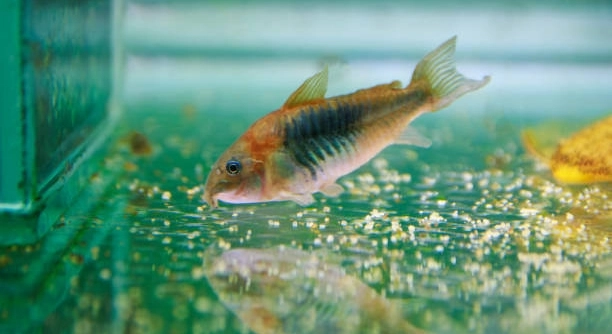
Corydoras catfish are active swimmers, often seen moving in circles. This behavior can be puzzling for many fishkeepers, especially when it appears repetitive. Understanding why this happens can help in addressing potential concerns about their health and well-being.
The movement of your Corydoras catfish in circles could stem from a variety of causes, such as stress, water quality issues, or a physical ailment. Identifying the root cause is essential to ensuring the fish’s health and comfort.
Addressing these possible causes can help restore your catfish’s normal behavior, promoting a healthier and more stable environment for your aquarium.
Stress and Anxiety in Corydoras Catfish
Corydoras catfish are sensitive creatures that can easily become stressed. Changes in their environment, such as sudden shifts in water temperature or light, can trigger erratic behavior. They may begin swimming in circles as a way to cope with the discomfort. This behavior is often a sign that the fish is feeling overwhelmed or unsafe. Other factors, such as the presence of other aggressive fish or overcrowding, can also contribute to their stress. In addition, constant movement could be an attempt to escape an area they find unfavorable.
Reducing stress involves ensuring a stable and peaceful environment for your catfish. Pay attention to water conditions and tank mates.
If you notice your Corydoras constantly circling, check the water temperature, pH levels, and ammonia levels. Keep the tank well-maintained and monitor your fish for signs of aggression or illness. Adding hiding spots or rearranging the tank layout can help create a more comfortable setting for your catfish.
Poor Water Quality
Water quality plays a major role in the behavior of aquarium fish. Corydoras are particularly sensitive to pollutants in their environment.
Ammonia, nitrites, and low oxygen levels can lead to abnormal swimming patterns like circling. A water test will show if these elements are off balance. Regular water changes, cleaning the tank, and using a reliable filter can help maintain safe conditions for your catfish.
Water Temperature Fluctuations
Corydoras catfish are sensitive to temperature changes. Sudden shifts in water temperature can cause distress, which may lead to circular swimming.
Fluctuating temperatures can weaken their immune system, making them more susceptible to diseases. Keeping the water temperature steady within the ideal range, typically between 72°F and 78°F (22°C to 26°C), is important. Investing in a reliable aquarium heater can help maintain consistency and prevent sudden temperature spikes that could stress your fish. It’s also wise to monitor temperatures regularly with an accurate thermometer.
Even slight changes in temperature can disrupt your catfish’s behavior. A stable environment will support their overall health and reduce unnecessary movement, such as circling. Additionally, adding a thermometer with an alarm function can provide an extra layer of security.
Illness or Injury
Health problems can contribute to unusual swimming behavior. Illnesses or injuries often cause fish to move in abnormal patterns.
If your Corydoras is moving in circles, inspect them for signs of illness, such as visible wounds or abnormal growths. Common illnesses include swim bladder disorders, which can cause erratic swimming. Injuries from tankmates or accidents can also lead to disorientation. If you suspect an illness or injury, quarantine the fish and provide supportive care until they recover. It’s best to consult a veterinarian who specializes in fish for a more accurate diagnosis.
Treating the underlying issue can help your catfish return to normal behavior. Providing appropriate medications or treatment will address any health concerns and allow your fish to swim freely again.
Overcrowding in the Tank
Overcrowding can cause stress and lead to abnormal behavior in Corydoras catfish. When too many fish share the same space, it can make the environment feel unsafe.
Lack of space can create competition for resources and cause fish to swim erratically. Ensuring that your tank is the right size for the number of fish is crucial for maintaining a healthy environment. If necessary, consider upgrading to a larger tank or reducing the number of fish.
Fish that feel cramped may exhibit unusual behaviors, like swimming in circles, as a way to escape the crowded conditions. It’s important to monitor the tank’s population and provide enough room for each fish to feel secure.
Inadequate Tank Setup
A poorly set-up tank can contribute to unusual swimming patterns. Corydoras prefer environments that mimic their natural habitat, with plenty of hiding spots and soft substrates.
If the tank lacks hiding places, or if the substrate is too rough, your catfish may feel unsafe and stressed. Adding decorations like plants, caves, or driftwood provides them with shelter, helping them feel more comfortable. Additionally, a soft substrate like sand will allow them to forage naturally. A well-planned tank layout supports your fish’s well-being, reducing erratic behaviors like circling.
Poor Diet
A poor diet can affect your Corydoras’ health and behavior. Nutrient deficiencies or improper food choices may cause lethargy or abnormal swimming patterns.
Offer a variety of high-quality foods that meet their nutritional needs, such as sinking pellets, frozen foods, and live snacks like bloodworms. Ensure that the food is small enough for your catfish to eat without difficulty. Overfeeding should be avoided, as it can lead to water quality issues. Proper nutrition supports your catfish’s health and reduces the likelihood of abnormal movements.
FAQ
Why is my Corydoras catfish swimming in circles?
Corydoras catfish can swim in circles due to stress, water quality issues, illness, or overcrowding. Stress factors, such as sudden changes in the tank environment or incompatible tank mates, can trigger circular swimming. Poor water conditions, like high ammonia levels or low oxygen, also contribute. Additionally, physical ailments, like swim bladder disorders or injuries, may cause unusual swimming patterns.
How can I reduce stress in my Corydoras catfish?
To reduce stress in your Corydoras catfish, maintain a stable tank environment. Keep the water temperature consistent, ideally between 72°F and 78°F. Avoid sudden changes in the tank setup and ensure a peaceful atmosphere with suitable tank mates. Providing hiding spots and a soft substrate can also help them feel secure.
What is the ideal tank size for Corydoras catfish?
The minimum recommended tank size for Corydoras catfish is 20 gallons for a small group. A larger tank will give them more space to swim freely and reduce the risk of overcrowding, which can lead to stress and abnormal swimming behaviors. Always allow 3-5 gallons of water for each additional fish.
Can Corydoras catfish be kept with other fish?
Yes, Corydoras catfish are peaceful and can be kept with other non-aggressive fish. However, avoid tank mates that are overly aggressive or large enough to bully them. Good companions include tetras, guppies, and other small peaceful species. Ensure that there is enough space for everyone in the tank.
How often should I change the water for my Corydoras catfish tank?
It’s recommended to change 25-30% of the water every 1-2 weeks, depending on the tank’s population and filtration system. Regular water changes help maintain water quality and prevent ammonia and nitrate build-up, which can stress your Corydoras. Always check the water parameters before adding new water to avoid drastic changes.
What temperature should the water be for Corydoras catfish?
Corydoras catfish prefer water temperatures between 72°F and 78°F (22°C to 26°C). It’s crucial to keep the water within this range to prevent stress and ensure their health. Use a reliable heater and thermometer to monitor the water temperature consistently. Avoid sudden temperature changes, as they can harm your fish.
Do Corydoras catfish need a filter?
Yes, Corydoras catfish require a filter to maintain clean, oxygenated water. A gentle filter is best, as strong currents can stress these bottom-dwelling fish. Ensure the filter is suitable for the size of your tank, and regularly clean it to maintain its efficiency.
What should I feed my Corydoras catfish?
Corydoras catfish are bottom feeders and should be provided with sinking pellets or wafers. Supplement their diet with frozen or live foods like bloodworms, daphnia, or brine shrimp. Ensure the food is small enough for them to eat easily. Avoid overfeeding to prevent water quality issues.
Why is my Corydoras catfish not eating?
If your Corydoras is not eating, it could be due to stress, illness, or water quality issues. Stress factors, such as a sudden change in the tank environment, could cause them to stop eating. Poor water conditions or a physical ailment, like swim bladder disorder, may also affect their appetite. Check the water parameters and look for signs of illness.
Can Corydoras catfish be kept in a tank without a lid?
While Corydoras are generally bottom-dwelling fish and don’t jump often, it’s still advisable to have a lid on the tank to prevent any escape attempts. Some Corydoras species may occasionally leap when startled or in a stressed environment. A lid also helps maintain stable water parameters and prevents debris from entering the tank.
How do I know if my Corydoras catfish is healthy?
A healthy Corydoras catfish will be active, swim steadily, and show bright colors. They should have clear eyes, smooth fins, and a clean body free of lesions or parasites. Healthy Corydoras are also social and will usually swim in groups. If your catfish is lethargic or has abnormal swimming behavior, check the water conditions and look for signs of illness.
What type of substrate is best for Corydoras catfish?
Corydoras catfish prefer a soft substrate like fine sand or smooth gravel. This allows them to forage naturally without injuring their sensitive barbels. Avoid sharp-edged gravel or rocks that could damage their barbels or skin. A soft substrate also makes it easier to clean the tank and maintain water quality.
How long do Corydoras catfish live?
Corydoras catfish typically live for 5-10 years with proper care. Their lifespan can be affected by factors such as water quality, diet, and tank conditions. Keeping their environment stable and stress-free can help them live a long, healthy life. Regular tank maintenance and monitoring are key to ensuring their well-being.
Do Corydoras catfish need to be in groups?
Corydoras catfish are social fish and should be kept in groups of at least 3-6 individuals. Keeping them in groups allows them to feel secure and reduces stress. A group of Corydoras will display natural behaviors and interact with one another, which is important for their well-being.
Final Thoughts
Corydoras catfish are generally peaceful and hardy fish, but they can exhibit unusual behaviors, like swimming in circles, when stressed or in poor conditions. Understanding the potential causes, such as overcrowding, water quality issues, or diet deficiencies, is essential for maintaining their health. Monitoring the environment and ensuring the tank setup is suitable for their needs can help reduce stress and improve their well-being.
By keeping the tank spacious enough, maintaining clean water, and providing appropriate food, you create a healthy space where your Corydoras can thrive. Regular water changes, proper filtration, and a balanced diet are essential to avoid health problems that lead to abnormal behaviors. Additionally, it’s crucial to be attentive to your fish’s health by checking for signs of illness or injury, as these can also contribute to erratic movements.
Ultimately, the key to a healthy and happy Corydoras catfish is creating an environment that caters to their needs. By providing adequate space, proper water conditions, and a balanced diet, you can reduce the likelihood of abnormal behaviors like swimming in circles. Paying attention to their behavior and adjusting the environment when necessary will ensure that your Corydoras live long, healthy lives in your aquarium.

Hello,
If you enjoy the content that we create, please consider saying a "Thank You!" by leaving a tip.
Every little bit helps us continue crafting quality advice that supports the health, happiness, and well-being of pets around the world, for pets of all shapes, sizes, and species.
We really appreciate the kindness and support that you show us!