
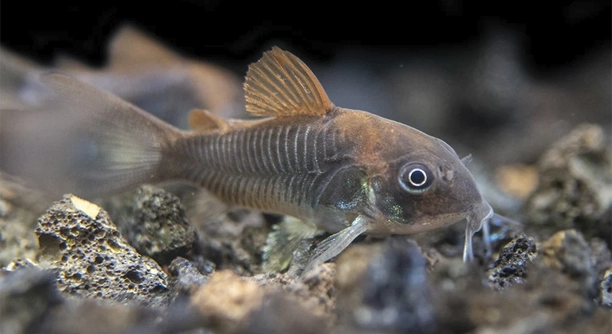
Corydoras catfish are popular aquarium pets due to their peaceful nature and charming behavior. However, their tendency to hide near rocks or other decorations might leave you wondering what’s going on in their little world.
The main reason your Corydoras catfish hides near rocks could be related to stress, safety, or environmental conditions. Factors such as tank mates, water quality, and even lighting can contribute to this behavior.
Understanding the reasons behind this behavior can help you create a more comfortable environment for your fish. We’ll explore the different causes and solutions to help keep your Corydoras happy and healthy.
Stress from Tank Mates
One reason your Corydoras catfish may be hiding near rocks is stress caused by tank mates. Corydoras are peaceful fish, and they tend to shy away from aggressive or overly active companions. When housed with more assertive fish, they may seek refuge in the rocks to avoid being harassed. It’s important to ensure your tank has the right mix of peaceful species, giving your Corydoras a sense of safety. Fish like bettas, cichlids, or any territorial fish can cause undue stress, making your catfish retreat to secure spots.
If you’ve noticed your Corydoras hiding more since introducing new tank mates, stress could be the cause. Removing aggressive or overly active fish can help reduce their anxiety and encourage them to come out and explore more freely.
A balanced aquarium setup with compatible fish can make a big difference in the behavior of your Corydoras. Peaceful tank mates will help your catfish feel safe and comfortable, which may lead them to move around more and enjoy their environment. Make sure everyone gets along to avoid stressing your fish.
Poor Water Quality
Corydoras catfish are sensitive to water conditions, and poor water quality could make them retreat to rocks for protection. These fish thrive in clean, well-maintained water, and any fluctuation in pH, ammonia, or nitrate levels can stress them out. If your water parameters aren’t ideal, your catfish may be trying to find a place where they feel less exposed to harmful elements in the tank.
If the water conditions aren’t suitable, it may cause Corydoras to hide more often. Testing the water regularly will ensure that the tank remains a healthy environment for your catfish.
A good filter, regular water changes, and proper monitoring of water parameters will make a significant difference in your fish’s health. Corydoras thrive in water with stable temperature, pH, and oxygen levels, so it’s essential to keep an eye on these factors to avoid unwanted hiding.
Temperature Fluctuations
Temperature fluctuations can stress Corydoras catfish and lead them to seek shelter near rocks. These fish are sensitive to sudden changes in water temperature, which can cause them to feel unsafe. If your aquarium is too warm or too cold, your catfish may find comfort in hiding to escape the discomfort.
Corydoras prefer a stable temperature range between 72°F and 78°F (22°C–26°C). If your tank is experiencing temperature swings, it might be worth investing in a heater with a built-in thermostat. A thermometer can help you monitor and maintain the ideal water temperature. This consistency will keep your catfish relaxed and less likely to hide in the rocks.
Maintaining the right water temperature is vital for your Corydoras’ overall health. They are more likely to come out of hiding and interact with the rest of the tank when they feel comfortable. Avoid sudden temperature changes by using a reliable aquarium heater and keeping the tank in a stable environment.
Lighting Conditions
Corydoras catfish are nocturnal creatures, which means they prefer low-light environments. Bright lights or sudden changes in lighting can cause them to retreat to darker areas, such as behind rocks or plants. Keeping the lighting dim or on a timed cycle can help them feel more secure and less exposed.
When the aquarium lights are too bright, your Corydoras may hide to avoid the stress of being in the spotlight. A gentle, low-light setup replicates their natural habitat and allows them to feel safer. Try using aquarium lights with adjustable settings to create a more comfortable environment for your fish.
To help your Corydoras feel more at ease, try setting the lighting to a dimmer setting, or use a more natural, subdued light. This adjustment will allow your fish to feel more confident, encouraging them to come out from their hiding spots and interact with the tank.
Overcrowding
Overcrowding in your aquarium can cause your Corydoras catfish to hide near rocks. Too many fish in a small tank creates stress and limits the space your catfish need to feel secure. They may retreat to more secluded areas to avoid the hustle and bustle.
If you have a crowded tank, your Corydoras may not feel safe enough to swim freely. It’s essential to maintain a proper fish-to-tank size ratio. The general guideline is about 1 inch of fish per gallon of water, but larger fish or more active species may require more space. A spacious tank allows your catfish to stay relaxed.
Poor Diet
An insufficient or poor diet may cause your Corydoras to retreat to hiding spots. When your fish don’t receive proper nutrition, they may become lethargic, weak, or stressed. This could lead to hiding behavior as they try to avoid predators or uncomfortable situations in the tank.
Ensure your Corydoras receives a balanced diet with high-quality food. Regularly feeding them sinking pellets, frozen food, or live worms will help maintain their health. Offering a variety of foods can keep your catfish active and comfortable, reducing the urge to hide away.
Inadequate Hiding Spaces
Corydoras catfish naturally seek hiding spots to feel secure. If your aquarium lacks enough hiding spaces, your catfish might find refuge near rocks or other decorations. They need places where they can retreat when feeling stressed or unsure of their surroundings.
Providing plenty of hiding spots, such as rocks, plants, or caves, can help your Corydoras feel more comfortable. By creating a tank setup with areas for privacy, your catfish will feel safer and less inclined to hide in one specific spot.
FAQ
Why is my Corydoras catfish always hiding?
Corydoras catfish may hide for several reasons, such as stress, poor water quality, or an uncomfortable environment. If they feel threatened by tank mates, changes in water conditions, or bright lights, they may retreat to rocks or plants. It’s important to create a peaceful, stable environment where they feel safe. Check the water parameters, avoid overcrowding, and ensure that the lighting is not too harsh. Providing hiding spots and peaceful tank mates will also help them feel more secure.
How can I reduce stress in my Corydoras catfish?
To reduce stress, ensure your Corydoras have a comfortable environment. Maintain stable water conditions, with the correct temperature, pH, and oxygen levels. Avoid aggressive tank mates and ensure your tank is not overcrowded. Keep the lighting dim and provide plenty of hiding spots. These steps will help them feel safer and more comfortable in their habitat.
Is my Corydoras catfish sick if it’s hiding all the time?
Hiding does not always mean your Corydoras catfish is sick, but it can be a sign of stress or discomfort. Check for other signs of illness, such as loss of appetite, unusual swimming behavior, or visible lesions. If your catfish is hiding and showing other signs of illness, it might be time for a water test and a closer look at its overall health. Regular water changes and a balanced diet are key to preventing illness.
Can Corydoras catfish live with other fish?
Yes, Corydoras catfish are peaceful bottom dwellers and generally do well with most other peaceful fish. They should not be kept with aggressive species, like bettas or large cichlids, as these can stress them out. Ensure that your tank mates are compatible, and always provide plenty of space and hiding spots for your Corydoras. A well-balanced community tank will keep everyone comfortable.
How can I improve the water quality for my Corydoras catfish?
Improving water quality for your Corydoras starts with regular water changes and maintaining good filtration. Test your water regularly for ammonia, nitrites, and nitrates to ensure they are within safe levels. A good filter will help maintain clean water, and you should aim to change about 20-30% of the water every week. Additionally, adding live plants can help improve water quality and provide more hiding spots.
How do I know if my Corydoras catfish is stressed?
Signs of stress in Corydoras catfish include hiding more than usual, swimming erratically, or remaining inactive for long periods. Stress can be caused by poor water quality, aggressive tank mates, overcrowding, or sudden temperature changes. Watch for changes in behavior or appetite. If stress persists, try to identify and address the cause, such as adjusting tank conditions or removing aggressive fish.
What should I feed my Corydoras catfish?
Corydoras are omnivores and enjoy a varied diet. Offer sinking pellets, which are specially designed for bottom dwellers, as well as frozen or live foods like bloodworms, brine shrimp, or daphnia. Occasionally, you can provide some vegetable matter like blanched zucchini or peas. Variety ensures they receive all the nutrients they need to stay healthy and active.
Can Corydoras catfish live without hiding spots?
While Corydoras can survive without hiding spots, they will feel much safer and less stressed if they have places to retreat to. Rocks, caves, or dense plants provide hiding spaces where they can rest and feel secure. Without these, your Corydoras may be more prone to stress and may hide in corners or behind decorations instead.
Do Corydoras catfish prefer a specific tank setup?
Corydoras catfish thrive in a well-planted, peaceful tank with soft substrate, such as sand or fine gravel, that won’t damage their sensitive barbels. They appreciate having plenty of hiding spots, such as caves, rocks, and plants, where they can retreat when they need to. A gentle filter and stable water conditions are also important for their well-being.
How often should I clean my Corydoras catfish tank?
Corydoras catfish tanks should be cleaned regularly to maintain water quality. Perform a partial water change (20-30%) every week, remove debris from the substrate, and clean the filter monthly. Keeping the tank clean reduces the risk of poor water quality and helps prevent stress-related behavior in your Corydoras catfish.
Why are my Corydoras catfish swimming at the surface?
If your Corydoras catfish are swimming at the surface, it may indicate a lack of oxygen in the tank. Corydoras are bottom dwellers but will swim up if oxygen levels are low. Make sure your tank is well-oxygenated by adding an air pump or improving water circulation. Additionally, check the water quality to ensure it’s safe for your fish.
Can Corydoras catfish live with shrimp or snails?
Yes, Corydoras catfish generally coexist well with shrimp and snails. They are peaceful and do not pose a threat to these creatures. In fact, they may even help clean the bottom of the tank by scavenging leftover food. However, ensure that the snails or shrimp are not too small, as Corydoras might accidentally disturb them while foraging.
Final Thoughts
Corydoras catfish are fascinating creatures that add charm and tranquility to any aquarium. However, their tendency to hide near rocks can sometimes raise concerns for aquarium owners. While this behavior is common, it’s important to understand that it’s usually due to factors like stress, poor water quality, or environmental discomfort. By identifying and addressing these issues, you can help your Corydoras feel safe and more at ease in their environment.
Maintaining a stable and clean tank is essential for the well-being of your Corydoras catfish. Proper water quality, consistent temperature, and appropriate tank mates will go a long way in reducing stress. Additionally, creating a habitat with plenty of hiding spots will allow your catfish to feel secure and give them a place to retreat when needed. A healthy and balanced environment will encourage your Corydoras to swim freely and exhibit their natural behaviors, which is always a rewarding sight.
While Corydoras may spend some time hiding near rocks, it is not always a cause for alarm. It’s a natural part of their behavior, especially if they are adjusting to a new environment or seeking a safe space. With the right care, attention to their needs, and a comfortable tank setup, your Corydoras catfish will thrive and continue to be a wonderful addition to your aquarium. By understanding the factors that influence their behavior and taking steps to improve their surroundings, you can help ensure they remain healthy, active, and content.

Hello,
If you enjoy the content that we create, please consider saying a "Thank You!" by leaving a tip.
Every little bit helps us continue crafting quality advice that supports the health, happiness, and well-being of pets around the world, for pets of all shapes, sizes, and species.
We really appreciate the kindness and support that you show us!