
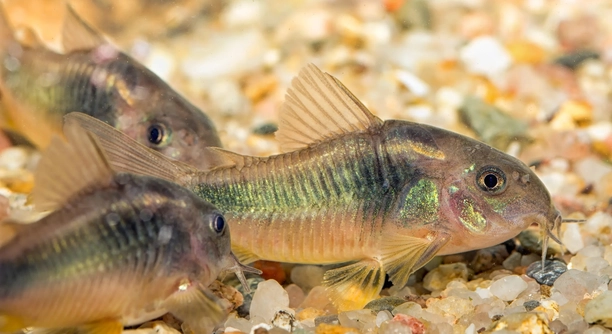
Corydoras catfish are known for their playful behavior, but if you notice them digging in the substrate, you might be wondering why. This is a common behavior, but there could be several reasons behind it.
Corydoras catfish dig holes in the substrate due to natural instincts, such as searching for food, creating a comfortable environment, or breeding. It is a behavior often seen in wild habitats where they dig to find food or secure shelter.
Understanding the reasons behind their digging habits can help you ensure that your fish are happy and healthy. Let’s explore what might be causing this behavior and how to address it effectively.
Natural Instincts
Corydoras catfish are bottom dwellers that have natural instincts to dig. In their wild habitats, they often sift through the substrate to find food like small insects and plant matter. This digging behavior is an important survival tool. In your aquarium, they may continue this behavior even if food isn’t scarce. It’s their way of exploring and interacting with the environment around them. These fish are also known for their tendency to root around in the substrate to make their environment feel more comfortable. This is a completely natural and harmless activity.
Some aquarists worry when they see their catfish digging, but rest assured, it’s typically a sign of a healthy, active fish. In fact, it may even indicate that they are adjusting to their new home or looking for additional food. If you’re providing a varied diet and a clean environment, they should be content.
Their behavior is rooted in instinct, not a need for attention. It can actually be quite endearing to watch them perform this natural task. As long as their digging doesn’t lead to harm, there’s no cause for concern.
Searching for Food
Corydoras are constantly looking for food, and digging is one of the ways they search for it. These fish are opportunistic feeders, which means they scavenge for any food they can find, whether it’s sinking pellets, leftover flakes, or tiny particles in the substrate.
In your aquarium, Corydoras may dig through the substrate to uncover these food items. In nature, they have access to a much wider range of food sources, and this instinct remains strong in captivity. They may even dig around in the sand or gravel to find small bits of food missed by other fish. This behavior is not just playful; it’s a crucial way of ensuring they get the nutrients they need.
Providing a balanced diet with a mix of high-quality sinking pellets and occasional treats will help reduce their constant search for food. While it may look like they’re digging excessively, it’s a natural part of their feeding behavior. However, make sure there is no uneaten food left to decay, as that could cause water quality issues.
Comfort and Shelter
Corydoras catfish also dig as a way to create a comfortable and secure environment. In the wild, they often dig into the substrate to make a resting spot or to hide from predators. In your aquarium, they may do the same for comfort. They prefer soft, fine-gravel or sand substrates where they can burrow easily. This provides a sense of security and allows them to express their natural behavior.
In an aquarium setting, digging helps them create small hideouts or resting places. They may feel safer in these self-made burrows, especially during the night. If you observe this behavior, it’s likely a sign that your catfish feel secure and are simply acting on their instinct to make themselves comfortable. Ensure they have plenty of space and hiding spots to encourage this natural behavior.
If they dig excessively, it might indicate that their tank isn’t set up in a way that satisfies their needs for hiding and security. Adding plants, rocks, or other elements can help them feel more at ease. Also, ensure the substrate is soft enough for them to dig without causing injury to themselves.
Breeding Behavior
Corydoras catfish may dig when they are preparing to breed. This is part of their natural reproductive behavior. They dig into the substrate to create a safe, secure environment for their eggs. If you notice digging behavior and other signs of mating, such as chasing or cleaning the substrate, it might be a signal that they are ready to breed.
During breeding, female Corydoras will lay eggs on smooth surfaces like leaves, glass, or decorations. The male will then fertilize the eggs. Digging is often a way for the female to find a suitable spot to deposit her eggs. It’s important to provide them with a suitable environment to encourage breeding. A slightly cooler water temperature, paired with clean water and stable conditions, can trigger spawning. You may notice them digging even more frequently during this time, as they work to prepare their environment for their new offspring.
Tank Size and Substrate
The size of the tank and the type of substrate play an important role in how much Corydoras catfish dig. These fish are active bottom dwellers and need enough space to roam and explore. A cramped tank or improper substrate can cause them to dig excessively. A larger tank provides the fish with room to spread out, reducing their stress and the need to dig constantly.
Choosing the right substrate is also key. Corydoras prefer fine-gravel or sand that they can easily sift through. Sharp, jagged gravel can hurt their delicate barbels and prevent them from digging naturally. If the substrate is too coarse or uneven, your catfish may dig more in search of comfort or a softer area. Providing a substrate that mimics their natural habitat will help minimize excessive digging and allow them to act on their instincts without harm.
Water Quality
Corydoras catfish are sensitive to water quality. Poor water conditions can stress them out, leading to excessive digging. If the water is too dirty or has fluctuating parameters, they may dig more frequently in an attempt to escape the discomfort. Regular water changes and maintaining stable conditions can reduce this behavior.
Ensure the tank’s filtration system is effective and provides proper water circulation. Corydoras thrive in clean, oxygenated water with a stable temperature. Checking water parameters like pH, ammonia, nitrites, and nitrates will help prevent poor water quality, which could otherwise trigger unnecessary digging and stress.
Tank Mates
The presence of tank mates can also affect how much Corydoras catfish dig. If there are aggressive or territorial fish in the tank, Corydoras may feel the need to dig in search of a hiding spot. They are peaceful bottom dwellers and prefer calm environments where they can feel safe.
Tank mates that are too active or dominant may cause stress, leading Corydoras to dig more as a coping mechanism. Choosing compatible tank mates that won’t invade their space or harass them is important to maintain a peaceful environment. A calm, balanced community tank will reduce their need to dig excessively.
Temperature Fluctuations
Corydoras catfish prefer stable water temperatures. If the water temperature fluctuates too much, they may dig to find a comfortable spot or avoid the discomfort caused by the changes. Sudden shifts in temperature, especially from heaters or cool drafts, can stress them out and prompt digging behavior.
Maintaining a consistent temperature is essential for their health and well-being. Use a reliable heater and thermometer to ensure the water stays within the optimal range. This stability will help reduce the need for them to dig as a response to temperature changes, ensuring a more comfortable living space.
FAQ
Why does my Corydoras catfish dig so much?
Corydoras catfish dig as part of their natural behavior. In the wild, they sift through the substrate to find food, explore, and create hiding spots. In an aquarium, they may continue to dig even if food is readily available. It’s often a sign that your catfish are simply engaging in instinctual behavior, not necessarily a cause for concern. However, excessive digging might indicate a problem with the tank’s environment, like an unsuitable substrate or water conditions.
Can Corydoras catfish stop digging if I change the substrate?
Yes, changing the substrate to something more suitable could reduce excessive digging. Corydoras prefer soft, fine gravel or sand that allows them to sift through easily. Coarse, sharp substrates can irritate their barbels and make them dig more in an attempt to find comfort. By switching to a finer substrate, you may reduce the need for them to dig as much. Just make sure to choose a type that mimics their natural habitat to make them feel secure.
Do Corydoras catfish dig when they are stressed?
Yes, stress can make Corydoras catfish dig more often. If they feel threatened or uncomfortable, they may dig to find a hiding spot or escape from a stressful situation. Poor water quality, unsuitable tank mates, or fluctuating temperatures are common stressors. Ensuring a clean, stable environment can help alleviate this behavior and keep your fish happy. If you notice frequent digging paired with other signs of stress, it may be time to address the underlying issue.
Is digging a sign that my Corydoras catfish is unhealthy?
Not necessarily. Digging is a natural behavior for Corydoras catfish, and it’s generally not a sign of illness. However, if the digging is excessive or seems like a form of distress, it could indicate a problem with the water quality, tank setup, or stress from other fish. Regularly checking the water parameters and ensuring a suitable tank environment will help keep your catfish healthy. If they continue to dig excessively despite proper care, consider checking for other signs of illness.
How can I stop my Corydoras catfish from digging too much?
To reduce excessive digging, consider adjusting the tank setup. Start by ensuring that the substrate is appropriate—fine gravel or sand works best for Corydoras. Additionally, maintain stable water parameters, including temperature and pH, to prevent stress. Providing plenty of hiding spots, like plants and decorations, can also help your fish feel secure and reduce the need to dig. Lastly, ensure your tank mates are peaceful to avoid territorial issues.
Should I be worried if my Corydoras catfish digs at night?
Corydoras catfish are nocturnal, meaning they are most active during the night. It’s completely normal for them to dig or forage during this time, as they feel more comfortable in the dark. This behavior is part of their natural instincts, so there’s no need to worry. However, if the digging becomes excessive or disruptive, it may signal that something in the environment is causing stress.
How often do Corydoras catfish dig?
Corydoras catfish may dig every day, especially if they are in search of food or creating a comfortable resting spot. The frequency of digging largely depends on their environment. If they have ample space, a suitable substrate, and enough food, they may dig less. However, it’s a common behavior to see them digging regularly, as it’s part of their natural exploration and foraging habits.
What tank size is best for Corydoras catfish to prevent excessive digging?
A larger tank generally reduces the frequency of digging. Corydoras catfish are active bottom dwellers and need enough space to explore. A small, cramped tank can increase stress and lead to more digging. Ideally, provide at least 20 gallons for a small group of Corydoras. This size allows them to move around freely and reduces their need to dig excessively in search of space or comfort.
Can Corydoras catfish dig to escape the tank?
Corydoras catfish don’t typically dig to escape the tank. However, if they feel threatened or stressed by tank conditions, they may dig in search of security. This digging is usually directed at making them feel more comfortable within their environment, not attempting to escape. Ensure your tank has a secure lid, and check the tank’s conditions to rule out any factors that might cause stress.
How can I tell if my Corydoras catfish is digging out of boredom?
If your Corydoras catfish seems to be digging non-stop, it could be a sign of boredom or frustration. Ensure that they have enough to do in their environment, such as plants, decorations, or hiding spots. Providing a variety of foods and opportunities to explore can also help keep them engaged. If the digging is excessive, make sure that the tank is large enough and that their needs for stimulation are being met.
Can Corydoras catfish dig through sand or gravel?
Yes, Corydoras catfish can dig through both sand and fine gravel. In fact, they often prefer softer substrates like sand for digging, as it allows them to sift and search for food more easily. Coarse gravel, on the other hand, can be harder for them to work with and might cause irritation to their barbels, making them dig more in an attempt to find comfort.
Final Thoughts
Corydoras catfish digging in the substrate is a natural behavior that many aquarists encounter. These fish are bottom dwellers by nature and are constantly foraging and searching for food. In the wild, they dig through the substrate to find small food particles, insects, and even to create safe spaces. This behavior is an important part of their daily activities, and it helps them stay active and healthy. When they dig in an aquarium, it’s simply them acting on their instincts. As long as the digging isn’t causing harm to your tank setup or the fish themselves, there’s generally no need for concern.
However, excessive digging may indicate issues with the environment. Factors like poor water quality, incompatible tank mates, or an uncomfortable substrate can lead to excessive digging as the catfish search for a better environment. Regular water changes, stable temperature control, and the right type of substrate (like fine sand or small gravel) can help reduce unwanted behavior. If you notice your catfish are digging excessively or seem stressed, it’s a good idea to check the tank’s conditions to ensure everything is to their liking. Giving them a clean and secure environment can reduce the likelihood of stress-induced digging.
Ultimately, Corydoras catfish are playful and harmless fish that simply express their natural behaviors. Providing them with a spacious tank, a proper substrate, and stable water conditions will go a long way in keeping them happy. Understanding why they dig and what might be influencing this behavior will help you create a healthier and more comfortable environment for them. Whether they are searching for food, creating a cozy spot, or preparing to breed, their digging is just another part of their fascinating and endearing nature. As long as it’s managed, this behavior can be a charming feature of their aquarium life.

Hello,
If you enjoy the content that we create, please consider saying a "Thank You!" by leaving a tip.
Every little bit helps us continue crafting quality advice that supports the health, happiness, and well-being of pets around the world, for pets of all shapes, sizes, and species.
We really appreciate the kindness and support that you show us!