
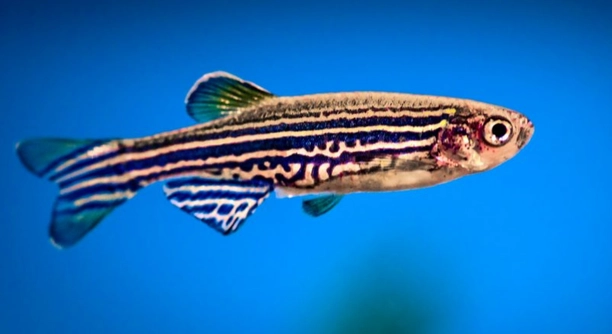
Zebra Danios are active and playful fish that often catch attention with their unique swimming patterns. If you’ve noticed your zebra danio hovering in one spot, it may raise some concerns about their behavior or health.
Zebra Danios may hover in one spot due to various factors, including water quality issues, stress, or a lack of stimulation. Poor water conditions, such as high ammonia levels or low oxygen, can contribute to this unusual behavior.
This behavior may be a sign that your fish is feeling stressed or uncomfortable. Understanding the potential causes can help ensure your zebra danio stays healthy and active.
Water Quality and Stress
Zebra Danios, like all fish, rely on clean, well-maintained water to stay healthy. If the water quality is poor, your zebra danio may hover in one spot, struggling to find a comfortable space to swim. Ammonia, nitrites, and nitrates can build up in the water if not properly filtered or cleaned, causing stress and health issues for your fish. Additionally, a lack of oxygen or fluctuating temperatures can also trigger such behavior. Maintaining optimal water conditions with regular testing and water changes is essential to your fish’s well-being.
If your zebra danio is hovering in one spot, the first thing you should check is the water quality. Poor water conditions are often the root cause of stress for aquarium fish.
Keeping a proper filtration system in place and doing frequent water changes can help prevent such behavior. Consider using a water test kit to check the levels of ammonia, nitrites, and nitrates regularly. Adjusting the temperature to a consistent level that suits your fish can also help reduce stress. A stable environment will encourage your zebra danio to move freely and swim more naturally.
Stress from Other Tankmates
Tankmates that are overly aggressive or territorial can lead to your zebra danio feeling unsafe and hovering in one spot. If there are other fish that chase or nip at your zebra danio, it can lead to stress. In a tank with multiple species, it’s essential to ensure that all fish are compatible and that no one is causing harm to others. Your zebra danio may avoid certain areas of the tank to escape bullying or territorial behavior.
Having peaceful tankmates is key for maintaining a calm environment. Avoid placing aggressive species with zebra danios to reduce stress and help them feel secure in their home.
Aggressive or dominant fish can push smaller or more timid species like zebra danios to stay still in a corner or near the bottom of the tank. This stress can prevent your fish from swimming as usual, leading to hovering. Consider adding peaceful, non-territorial species that won’t compete with your zebra danio for space. The size and temperament of your other fish can greatly affect the behavior of your zebra danio. Ensuring a balanced mix will keep stress levels low and encourage healthy, active behavior from all your tankmates.
Illness and Parasites
Illness and parasites are common causes of abnormal behavior in zebra danios. If your fish is sick, it may stay in one spot, appearing lethargic or weak. Common diseases like swim bladder disorder or external parasites can make your fish feel uncomfortable, leading to hovering.
Infections or parasites can affect a zebra danio’s swimming ability, making it difficult for them to navigate freely. In these cases, it’s essential to monitor the appearance of your fish. Symptoms like clamped fins, unusual spots, or swelling may indicate that your fish is unwell. Treatment for such issues will depend on the specific condition and may involve isolating the affected fish for recovery.
If you suspect illness, consider quarantining your zebra danio and observing its behavior closely. Consult an aquatic vet for advice on appropriate treatments. If parasites are suspected, use medicated water treatments or apply salt baths to help remove them. Early detection and intervention can help prevent the illness from spreading to other fish in the tank. Taking quick action will give your fish a better chance at recovery and prevent further distress.
Tank Environment
The environment in your tank plays a significant role in your zebra danio’s behavior. Lack of hiding spots, plants, or open swimming space can cause stress, leading your fish to hover in place. An overcrowded tank can also limit their ability to move freely.
Zebra danios thrive in tanks that provide ample space for swimming and hiding. Adding plants or decorations helps them feel secure. They prefer an environment with plenty of room to swim and explore, so avoid overcrowding. Using natural elements like rocks or live plants can help create a more comfortable and engaging environment for your fish.
Creating an enriching environment encourages your zebra danio to stay active. Adding hiding spots allows your fish to retreat when feeling stressed, reducing the need to hover. Make sure your tank has adequate filtration to keep the water clean and oxygenated. Proper lighting, along with the right tank size, will also contribute to your fish’s overall health. Keep in mind that a balanced and varied tank environment benefits both the mental and physical well-being of your zebra danio.
Temperature Fluctuations
Zebra danios are sensitive to temperature changes. If the water is too cold or fluctuates frequently, it can cause stress. This may result in your fish hovering in one spot to conserve energy and avoid discomfort.
It’s important to keep the water temperature stable. Zebra danios prefer temperatures between 65°F and 75°F. Sudden temperature drops or rises can lead to stress and even illness. Ensure your tank has a reliable heater and thermometer to maintain consistency. Consistent conditions help your zebra danio feel more secure and active.
Overfeeding and Poor Digestion
Overfeeding can lead to poor digestion and cause your zebra danio to become sluggish. This can result in your fish hovering in one spot due to discomfort or bloating. Overfed fish are more likely to have trouble swimming actively.
To avoid overfeeding, only give your fish small amounts of food they can consume in a few minutes. Monitor your zebra danio’s eating habits to ensure they are eating in moderation. Keep the feeding routine consistent and remove any uneaten food after a few minutes to prevent water contamination.
Lighting Issues
Improper lighting can cause stress for zebra danios. If the light is too bright or too dim, your fish may not feel comfortable swimming freely. This can lead to your zebra danio hovering in one place, possibly to avoid overly bright conditions.
Fish need a light cycle that mimics day and night. Provide a consistent light source with a timer for about 10-12 hours a day. Too much light can cause stress, while too little may make them feel insecure. Adjust lighting to suit the preferences of your fish.
FAQ
Why is my zebra danio hovering in one spot?
Zebra danios may hover in one spot due to stress, illness, poor water quality, or even temperature fluctuations. If the water is dirty or not properly oxygenated, it can cause discomfort. Similarly, an aggressive tankmate or lack of hiding spots can make your zebra danio feel unsafe, leading them to hover. It’s essential to check water parameters, ensure tankmates are compatible, and observe your fish for signs of illness or parasites. If your fish continues to hover, consider isolating it to monitor its health and take action accordingly.
How can I improve my zebra danio’s swimming behavior?
Improving your zebra danio’s swimming behavior starts with ensuring a stable, clean tank environment. Regular water changes, proper filtration, and maintaining a consistent temperature are crucial. Adding plants or decorations can provide your fish with hiding spots, reducing stress. Be mindful of tankmates and avoid overcrowding to give your zebra danio ample space to swim freely. A well-maintained environment will encourage your fish to stay active and explore its surroundings.
Can zebra danios get stressed easily?
Yes, zebra danios can become stressed if their environment is not suitable. Poor water quality, temperature fluctuations, overcrowding, or the presence of aggressive tankmates can all contribute to stress. Even something as simple as too much light or loud noises can affect their well-being. To prevent stress, make sure the water conditions are ideal, provide a stable environment, and ensure they have enough space to swim comfortably. A stressed zebra danio is more likely to exhibit abnormal behaviors, such as hovering or lethargy.
Is it normal for zebra danios to stop swimming at times?
It’s normal for zebra danios to occasionally stop swimming and hover in one spot, especially when they are resting or feeding. However, if this behavior becomes frequent and prolonged, it could be a sign of an underlying problem such as illness or stress. If your zebra danio is continuously staying still, check the water conditions and observe the fish for any signs of illness, such as swelling or clamped fins. Addressing potential issues early will prevent further stress and improve the fish’s overall health.
What should I do if my zebra danio has parasites?
If your zebra danio has parasites, it’s essential to isolate the infected fish to prevent the spread of the infection. You can treat the tank with anti-parasitic medications or salt baths, depending on the type of parasite. Before starting treatment, make sure to consult an aquatic veterinarian or follow the instructions provided with the medication. It’s also essential to keep the water conditions optimal during the treatment period to avoid further stress on your fish. Regular water changes and monitoring the fish’s health will ensure it recovers quickly.
Can I add new fish to the tank if my zebra danio is stressed?
Adding new fish to a stressed tank should be done with caution. If your zebra danio is already stressed, introducing new fish may increase the tension and cause further disruption. It’s best to first address the issues causing stress in the tank, such as water quality, overcrowding, or tankmate compatibility, before adding new fish. Ensure the new fish are compatible with zebra danios in terms of size and temperament to prevent any aggression or territorial behavior. Introduce new fish gradually, and monitor the situation closely to avoid additional stress.
Why is my zebra danio swimming at the top of the tank?
Zebra danios may swim at the top of the tank if they are looking for food or if the oxygen levels are low. If they are consistently staying near the surface, it might indicate that the water lacks sufficient oxygen. Ensure that the tank is properly aerated, and the water is well-filtered. Additionally, if there’s a feeding frenzy, zebra danios may hang near the surface to grab food. If the behavior persists without a clear reason, check for any signs of illness or environmental stress.
How often should I clean my zebra danio’s tank?
You should clean your zebra danio’s tank at least once a week. Regular water changes of 20-30% are necessary to maintain water quality. In addition, remove uneaten food and any debris that may accumulate. Clean the filter every few weeks, depending on the type of filtration system you use. If you notice a significant drop in water clarity or an increase in algae growth, consider cleaning more frequently. A clean tank is vital for your zebra danio’s health and will help prevent many common issues such as stress or illness.
Can my zebra danio be affected by water temperature changes?
Yes, zebra danios are sensitive to changes in water temperature. They thrive in stable conditions between 65°F and 75°F. A sudden temperature fluctuation can stress them, potentially leading to hovering or abnormal swimming patterns. Using a reliable heater and thermometer can help maintain a consistent temperature. If the water is too cold, your zebra danio may become lethargic or inactive, while temperatures that are too high can lead to overheating and oxygen depletion. Keeping the temperature steady will help keep your fish healthy and active.
Are zebra danios hardy fish?
Zebra danios are considered hardy fish, making them a great choice for beginners. They can tolerate a range of water conditions and are resistant to some common aquarium diseases. However, they are still sensitive to poor water quality, extreme temperature changes, or stressful tank environments. By maintaining a stable, clean environment, zebra danios can live a long, healthy life. Even though they are hardy, they still require proper care to thrive and avoid common health issues. Regular maintenance is key to keeping your zebra danios happy and active.
Final Thoughts
Zebra danios are generally hardy fish that thrive in a stable and well-maintained tank environment. If you notice your zebra danio hovering in one spot, it is important to consider several factors that might be contributing to this behavior. Water quality, temperature fluctuations, stress from tankmates, and even illness can cause your fish to become inactive or behave abnormally. Paying attention to the specific needs of your zebra danio, such as clean water, proper tank conditions, and compatible tankmates, can help prevent this behavior from becoming a recurring issue.
One of the easiest ways to address hovering behavior is to ensure that your tank environment is optimal. Regular water changes, proper filtration, and maintaining a consistent temperature are essential. Checking the water parameters, like ammonia, nitrites, and nitrates, will also give you a good idea of the water’s quality. If your zebra danio is still hovering after making these adjustments, it might be time to observe the fish more closely for signs of illness or parasites. Stress can be another significant factor, and it’s crucial to monitor for any aggressive tankmates or overcrowding, both of which can lead to stress and abnormal behavior.
Ultimately, keeping your zebra danio happy and healthy requires creating a comfortable, safe environment where they can swim freely and feel secure. By regularly checking on the water quality, ensuring they are not stressed by other fish, and addressing any possible health concerns, you can help your zebra danio return to its usual active and playful self. If problems persist, consulting an aquarium expert or aquatic veterinarian can provide more personalized advice. Remember, early intervention and maintenance will keep your zebra danio in the best possible condition and allow it to live a long, healthy life.

Hello,
If you enjoy the content that we create, please consider saying a "Thank You!" by leaving a tip.
Every little bit helps us continue crafting quality advice that supports the health, happiness, and well-being of pets around the world, for pets of all shapes, sizes, and species.
We really appreciate the kindness and support that you show us!