
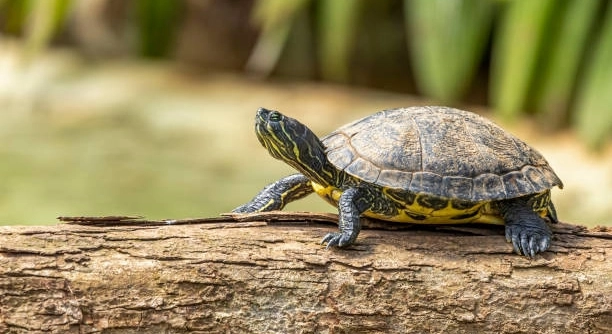
Yellow-bellied sliders are popular pet turtles, known for their beautiful appearance and peaceful nature. But sometimes, you may notice that your turtle avoids sunlight, leaving you curious about its behavior.
There are several potential reasons why your yellow-bellied slider may avoid sunlight. Health issues, such as shell problems or discomfort, can contribute to this behavior. Stress, environmental factors, or improper habitat conditions can also cause turtles to seek shade instead of basking.
Understanding why your turtle avoids sunlight can help you ensure its well-being. We’ll explore what might be affecting your slider and how you can provide a better environment for them.
Health Issues That Might Affect Sunlight Exposure
Yellow-bellied sliders can sometimes avoid sunlight due to underlying health problems. One of the most common issues is shell rot, a bacterial or fungal infection that affects their shells. This condition can make your turtle feel unwell and less inclined to bask. When a turtle’s shell is damaged or infected, it may seek out shady spots to avoid the heat and sunlight that could irritate the infection.
If you notice your turtle avoiding sunlight and showing signs of a soft, discolored, or damaged shell, it’s essential to address the issue right away. You should consult a veterinarian who specializes in reptiles for a proper diagnosis and treatment plan. In some cases, shell rot can be treated with medication and proper care, but it’s vital to catch it early. Your turtle’s overall health could also be affected by internal parasites or malnutrition, which can lead to lethargy and a lack of interest in basking. Ensuring a balanced diet and a clean habitat is key to avoiding these health issues.
Stress and Environmental Factors
Environmental stress can also cause your turtle to avoid sunlight. Turtles are sensitive to changes in their habitat.
When a yellow-bellied slider feels stressed, it may hide or retreat to cooler, darker areas. This stress can stem from several factors such as overcrowding, loud noises, or sudden changes in their environment. It’s important to create a calm, stable environment where your turtle feels secure and comfortable.
Improper Habitat Setup
If your turtle’s habitat isn’t set up correctly, it may avoid sunlight. Turtles require a proper balance of heat and UVB light to stay healthy. Without enough UVB exposure, they may avoid basking altogether.
Ensure your turtle’s enclosure has a heat source, like a basking lamp, positioned over a dry area for basking. The water temperature should also be warm enough, around 75 to 80°F. If your turtle’s basking area is too cold, or if there’s no UVB light, they may seek out darker, cooler spots to stay comfortable. A proper light setup is essential to encourage natural behaviors like basking.
UVB light is crucial for turtles to absorb calcium and prevent shell deformities. Without it, your turtle might show signs of weakness, poor appetite, or disinterest in basking. It’s important to use a quality UVB light and replace it regularly, as the light loses effectiveness over time. A good setup will make your turtle more likely to enjoy basking in the sunlight.
Temperature Sensitivity
Temperature plays a significant role in your turtle’s behavior. Turtles are cold-blooded and rely on external heat sources to regulate their body temperature.
If the temperature in their environment fluctuates or isn’t within the optimal range, they might avoid basking under the light or sun. When it’s too hot or too cold, they may seek shelter. Ensuring a stable temperature, especially in their basking area, encourages healthy behavior and promotes natural habits.
Overcrowding in the Habitat
Overcrowding in your turtle’s tank can lead to stress and avoidance of basking. Turtles are territorial creatures and prefer space to move around comfortably.
If multiple turtles are sharing the same tank, it’s essential to provide enough space for each one. Too many turtles in a confined space can cause anxiety, which may cause them to retreat into cooler, shaded areas. Regularly check to ensure each turtle has a designated basking area and enough space to swim around.
Inadequate Diet
An improper diet can affect your turtle’s behavior, including avoiding sunlight.
A well-balanced diet ensures that your turtle’s body is functioning properly, including its ability to bask in sunlight. If your turtle’s diet is lacking in nutrients, it may be lethargic and uninterested in basking. Offer a mix of protein, greens, and occasional fruits to meet their dietary needs.
FAQ
Why is my yellow-bellied slider staying in the water instead of basking?
There are a few possible reasons for this behavior. First, the water temperature might be more comfortable than the basking area. Turtles often prefer staying in the water if the heat is too intense or if they aren’t able to properly regulate their body temperature on the basking surface. Check that your basking area has the right temperature and UVB lighting. Sometimes, a turtle may also avoid basking if they are feeling unwell or stressed. Stress from overcrowding or changes in the environment can also cause them to avoid basking. Finally, some turtles may simply be more water-centric by nature, though they still need regular exposure to UVB light.
How can I tell if my turtle is sick?
If your turtle is avoiding sunlight or basking more than usual, it could be a sign of illness. Look for signs such as lethargy, a lack of appetite, discolored or soft shell, or abnormal swimming behavior. If your turtle has trouble moving or seems to be hiding constantly, it might be dealing with a health issue like shell rot or an internal infection. Also, keep an eye on their eyes. Swollen or closed eyes can indicate an infection. If you notice any of these signs, it’s best to consult with a reptile vet as soon as possible to ensure proper care and treatment.
Should I provide my turtle with a bigger tank?
Yes, a bigger tank could help, especially if your turtle seems to be avoiding sunlight. Turtles need plenty of space to roam and swim freely. If the tank is too small, it can cause stress and result in unhealthy behaviors like hiding or avoiding basking. Ideally, each turtle should have about 10 gallons of water per inch of their shell length. Giving your turtle a larger space can improve its overall health and well-being by reducing stress and making it more comfortable with basking and exploring its habitat.
How much sunlight does my turtle need each day?
Yellow-bellied sliders need around 10 to 12 hours of sunlight or UVB exposure every day. If your turtle is housed indoors, you should provide UVB light to mimic natural sunlight. UVB rays are essential for their calcium absorption, which helps prevent shell problems and supports their overall health. Make sure the UVB light is placed near their basking area and is replaced every 6-12 months, as it loses effectiveness over time. If your turtle is outdoors, it can benefit from natural sunlight, but ensure it’s safe and not exposed to predators or extreme temperatures.
Can my turtle live without UVB light?
No, UVB light is crucial for a yellow-bellied slider’s health. Without UVB light, turtles cannot synthesize vitamin D3, which helps them absorb calcium. Without proper calcium absorption, they may develop shell deformities or suffer from metabolic bone disease. Always provide UVB lighting in their tank, especially if they are kept indoors. If your turtle is housed outside, ensure they get enough sunlight exposure for adequate UVB absorption. If your turtle seems disinterested in basking, check the strength and placement of the UVB light, as it might not be strong enough or positioned well.
How can I make sure my turtle’s habitat is stress-free?
A stress-free habitat is essential for your turtle’s health. Ensure their tank is appropriately sized, with enough space for swimming and basking. Keep the water clean and maintain the correct temperature, both in the water and the basking area. Avoid overcrowding the tank, as multiple turtles in a confined space can cause stress and conflict. Keep the habitat quiet, avoiding loud noises or sudden movements that could disturb your turtle. Adding hiding spots can give your turtle a sense of security. Finally, maintain a regular feeding schedule and provide a balanced diet to prevent nutritional stress.
What if my turtle doesn’t seem interested in eating?
Loss of appetite can be a sign of stress, illness, or improper tank conditions. If your turtle is avoiding sunlight and not eating, check its environment. Is the water temperature too cold or too hot? Is the basking area appropriate? Make sure your turtle’s diet is varied, offering a mix of vegetables, protein, and occasional fruits. If your turtle is still refusing food, it’s a good idea to consult a veterinarian. A decrease in appetite could indicate an underlying health problem, and early intervention is key to preventing serious issues.
Can my yellow-bellied slider live alone?
Yes, yellow-bellied sliders can live alone. While they are social animals, they don’t necessarily need company. In fact, some turtles prefer solitude, especially if they are territorial or stressed by other turtles in the tank. If you have multiple turtles, make sure they have enough space and separate basking areas to avoid conflict. If your turtle seems to enjoy the solitude, it’s perfectly fine to keep it alone. As long as it has a comfortable, safe environment with enough room to swim, bask, and hide, it will thrive.
Final Thoughts
If your yellow-bellied slider is avoiding sunlight, there are a few things to consider. Turtles are creatures of habit and tend to avoid basking if they feel uncomfortable or stressed. Health issues like shell rot or internal problems can also lead to this behavior, so it’s important to keep an eye on any other signs of illness. If your turtle has soft, discolored shells or is acting lethargic, it may need immediate veterinary care. A proper diagnosis can ensure your turtle’s health and prevent further complications. Sometimes, the simplest solution can be adjusting the water temperature or lighting in their habitat.
The environment you create for your turtle plays a significant role in its behavior. If the basking area is too cold or the UVB light is not working properly, your turtle might seek shelter away from the light. Overcrowding in the tank can also contribute to stress, which can make your turtle avoid basking or staying out of the sunlight. Ensuring that your turtle has enough space and a proper temperature gradient is essential for encouraging natural behaviors, like basking. Don’t forget that turtles need a safe and stable environment to thrive, free of loud noises or sudden disturbances.
Taking time to observe your turtle’s behavior and maintaining a well-balanced habitat will go a long way. A proper diet, adequate space, and correct lighting all play important roles in your turtle’s well-being. Regular health checks and habitat adjustments will help you address any potential issues early on, ensuring your yellow-bellied slider stays happy and healthy. If you notice any unusual behaviors that continue over time, it’s a good idea to consult a reptile specialist for advice. With the right care, your turtle can live a long, healthy life.

Hello,
If you enjoy the content that we create, please consider saying a "Thank You!" by leaving a tip.
Every little bit helps us continue crafting quality advice that supports the health, happiness, and well-being of pets around the world, for pets of all shapes, sizes, and species.
We really appreciate the kindness and support that you show us!