
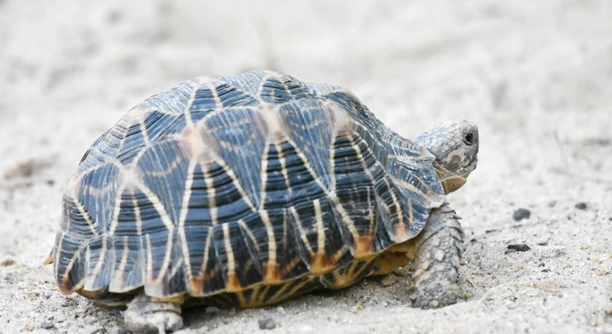
Turtles can be fascinating creatures, but understanding their behavior can be tricky at times. One common behavior that may puzzle turtle owners is when their turtle tries to hide its food.
Turtles hide their food due to a combination of instinct and environmental factors. In the wild, hiding food helps protect it from predators and other animals. A turtle may retain this behavior even in a controlled environment.
This behavior is normal and can be linked to their natural instincts for survival. Learning more about this will help you understand your turtle’s habits and improve its care routine.
Why Do Turtles Try to Hide Their Food?
Turtles have a natural instinct to hide their food, stemming from their time in the wild. In their natural habitats, hiding food helps protect it from predators, as it reduces the chances of attracting unwanted attention. This instinct persists even in captivity. Although your pet turtle no longer faces the threat of predators, it will still engage in this behavior out of habit and survival instinct.
In the wild, turtles often need to hide their food to ensure they can eat later. This instinct is deeply ingrained in them. It helps them preserve their meals from potential competitors or predators who might want to steal it.
When a turtle hides food, it’s simply following its natural behavior. While it may seem odd, this is a survival tactic. The action of hiding food may also relate to the turtle’s need for personal space. Unlike humans, they are not as social when it comes to eating and prefer privacy.
How Environment Plays a Role
The setup of your turtle’s enclosure can also influence its food-hiding behavior. Turtles thrive in environments that mimic their natural surroundings. If they feel insecure or stressed due to the lack of hiding spots, they may start hiding their food as a reaction to feeling vulnerable.
Turtles need places where they can feel safe. In their enclosure, creating hiding spots or adding plants can give them a sense of security, reducing the need to hide their food. A stressed turtle may also engage in behaviors like food hoarding, which can indicate it’s not feeling entirely comfortable. Adding a few hiding areas may reduce this.
If your turtle seems to hide its food more than usual, this could be a sign that it’s experiencing stress. An anxious turtle may take this action because it feels uncertain about its surroundings. Ensuring your turtle’s habitat has enough space, water quality, and hiding areas will help them feel more secure. The less stress your turtle experiences, the fewer food-hiding behaviors you’ll likely see.
Is My Turtle Not Hungry?
A turtle might hide its food because it isn’t hungry at the moment. Turtles do not always eat large amounts at once, and they can skip meals when they feel full. It’s also possible they prefer to eat at a different time.
Turtles, like many animals, have different feeding schedules. They might not feel the need to eat all the food provided to them, which is why they may hide it. This behavior can be a sign that they are just not hungry right now. You may notice that your turtle eats at certain times of the day, which is perfectly normal. As long as you are feeding them the right amount, the food hiding behavior shouldn’t be a cause for concern.
If your turtle consistently hides its food after every meal, it could indicate that it has eaten enough or prefers to nibble later. Keep an eye on its overall health and feeding routine to make sure it’s eating properly. If there are signs of weight loss or other health issues, it might be time to reevaluate its diet.
The Role of Water Temperature
Water temperature plays a big role in your turtle’s eating habits. If the water is too cold, it can reduce your turtle’s appetite. Turtles are ectothermic, meaning their body temperature depends on the environment. Cold water may make them less active, and they won’t be as eager to eat.
Keeping the water at the right temperature helps ensure your turtle stays healthy and comfortable. If the water is too cold, your turtle may not feel motivated to eat. The optimal temperature for most turtles is around 75-80°F (24-27°C). If the water is too chilly, your turtle may become sluggish or lose interest in food. You may also notice other changes, like decreased activity or a lowered immune response, which can further affect eating habits.
Make sure the water temperature stays consistent and within the ideal range. Using a reliable water heater can help maintain the right temperature. A comfortable environment encourages feeding and reduces unnecessary stress. Additionally, ensuring the water quality is good will improve your turtle’s overall well-being and might help it feel more comfortable eating.
Stress and Anxiety
Stress and anxiety can also cause a turtle to hide its food. If a turtle feels threatened or out of place in its environment, it may resort to this behavior. Changes in its routine or surroundings can trigger stress.
Turtles are sensitive to changes, whether it’s a new pet in the house, loud noises, or a shift in their routine. These changes can cause them to feel uneasy, leading to food hiding. Stress is a natural response, but if it continues for a long time, it could affect your turtle’s health.
To reduce stress, keep your turtle’s environment stable. Avoid sudden changes and try to maintain a quiet, peaceful space. Adding some hiding spots can also help them feel secure, which may reduce food hiding behavior.
Incorrect Feeding Habits
Feeding your turtle at the wrong times or with the wrong types of food can make it more likely to hide its meal. If the food isn’t appealing or properly sized, your turtle might not want to eat it.
Make sure you’re offering appropriate food for your turtle’s species. Some turtles are more picky and prefer certain textures or types of food. If you offer food that is too large or difficult to consume, it may avoid eating altogether. Additionally, turtles have specific feeding schedules. Offering food at the wrong time could make them disinterested in eating.
Health Issues
Health problems can cause a turtle to hide its food. If your turtle is sick or feeling unwell, it may not have the energy or desire to eat. Certain illnesses can lead to changes in appetite.
A loss of appetite is often one of the first signs that a turtle may be experiencing health issues. If your turtle is lethargic or seems to avoid food for an extended period, it’s important to consult a veterinarian. Illnesses like shell rot, parasites, or internal problems could make it difficult for your turtle to eat. It’s crucial to address these issues early for better health outcomes.
FAQ
Why does my turtle try to hide its food?
Turtles hide their food due to natural instincts. In the wild, they would hide food to protect it from predators. This behavior is often retained even in captivity. It’s a survival tactic that can be triggered by stress, hunger, or the need for personal space. If your turtle feels secure and well-fed, it might not hide its food as much, but it’s still a natural action for them.
Should I be worried if my turtle hides its food?
Not necessarily. Hiding food is a common and natural behavior for turtles. However, if it’s accompanied by other signs of distress like lethargy, weight loss, or a decrease in overall activity, you should consider checking your turtle’s health and environment. Stress, poor water conditions, or illness could cause this behavior.
How can I tell if my turtle is stressed?
Stress in turtles can show up in various ways. If your turtle is hiding its food more often, becoming less active, or displaying aggressive behavior, these could be signs of stress. Changes in their environment, loud noises, or new animals in the space can trigger these reactions. It’s important to observe your turtle’s behavior and ensure its habitat is calm and comfortable.
Can my turtle be eating enough if it’s hiding its food?
If your turtle hides its food, it doesn’t necessarily mean it’s not eating enough. It may just be eating later or in smaller amounts. Turtles sometimes eat in phases. However, if your turtle continues to refuse food or seems to be losing weight, it might indicate that it’s not eating properly.
Is there anything I can do to stop my turtle from hiding its food?
You can try reducing any stressors in its environment. Make sure your turtle feels safe and secure in its habitat. Adding hiding spots or decorations can help it feel more at ease. Also, ensure that you’re feeding the right type of food at the appropriate times. A well-balanced environment can often reduce this behavior.
Does water temperature affect my turtle’s eating habits?
Yes, water temperature can greatly influence a turtle’s appetite. If the water is too cold, your turtle may become sluggish or not feel like eating. The ideal temperature for most turtles is between 75°F and 80°F (24-27°C). Keeping the water within this range helps your turtle remain active and more likely to eat.
What can I do if my turtle is not eating its food?
If your turtle is consistently not eating, first check the temperature of the water and the type of food you’re offering. Sometimes turtles may refuse food if it’s not appealing to them. You can try offering different types of food or changing the feeding schedule. If it continues, a visit to the vet may be necessary to rule out health issues.
How often should I feed my turtle?
The feeding schedule can depend on your turtle’s species, age, and size. Generally, adult turtles can be fed every other day, while young turtles may need daily feedings. Always make sure to offer fresh, varied food and watch for signs of overfeeding, such as excess food that goes uneaten.
Can I feed my turtle too much?
Yes, overfeeding can cause health problems like obesity or shell deformities. Turtles should be fed in moderation. It’s important to offer the right amount of food based on their size and age. If your turtle hides food, it might be a sign they’ve had enough or don’t want to overeat.
Are there certain foods I should avoid feeding my turtle?
Yes, some foods are not suitable for turtles. Avoid feeding them too many fruits or foods that are high in sugar. Also, steer clear of processed foods, such as human snacks. Stick to a balanced diet of greens, vegetables, and occasional protein sources, such as worms or shrimp.
How can I tell if my turtle is sick?
Signs of illness in turtles include lack of appetite, lethargy, changes in shell color or texture, wheezing, or eye discharge. If your turtle is hiding food, coupled with any of these symptoms, it’s essential to consult a veterinarian. Early detection of health issues can lead to better treatment and outcomes.
Does the size of the tank affect my turtle’s eating behavior?
Yes, a tank that’s too small or doesn’t provide enough hiding spaces can cause stress, leading to food hiding. Turtles need space to move around comfortably, and a cramped environment can cause anxiety. Ensure your turtle has adequate room to swim and rest, which will help reduce stress-related behavior.
How do I know if my turtle is overweight?
If your turtle has difficulty moving or its shell looks rounder and softer than usual, it might be overweight. An overweight turtle can face health issues like shell deformities and difficulty swimming. Make sure you’re not overfeeding and that your turtle is getting enough exercise in its enclosure.
Final Thoughts
Understanding why your turtle hides its food is important for providing the best care possible. In most cases, this behavior is normal and part of your turtle’s natural instincts. Turtles, by nature, hide their food as a survival tactic, a habit they carry with them from the wild. It’s a way for them to protect their meals from predators or other animals. Even though they are in a safe environment, the behavior still occurs because it is deeply ingrained in their instincts. Most of the time, it’s nothing to worry about.
However, if your turtle is hiding food frequently and showing signs of other issues like reduced appetite, lethargy, or weight loss, it may be worth considering other factors. Stress and anxiety can cause this behavior, especially if there are changes in their environment. It’s important to make sure your turtle’s tank is set up correctly, with proper temperature, lighting, and hiding spots to help it feel secure. Environmental changes, such as introducing new pets or moving the tank, can also cause stress. In some cases, illness can lead to changes in appetite and food-hiding behavior. If you notice any concerning signs, it’s best to seek advice from a vet.
Overall, hiding food is generally a normal part of turtle behavior and should not be a cause for alarm unless there are additional symptoms of stress or illness. By observing your turtle’s habits and ensuring it has a comfortable, stress-free environment, you can help minimize this behavior. Regular monitoring of your turtle’s health, water quality, and feeding routine will keep you on track in providing the best care. If the hiding behavior continues or you’re concerned, don’t hesitate to reach out to a veterinarian for further guidance.

Hello,
If you enjoy the content that we create, please consider saying a "Thank You!" by leaving a tip.
Every little bit helps us continue crafting quality advice that supports the health, happiness, and well-being of pets around the world, for pets of all shapes, sizes, and species.
We really appreciate the kindness and support that you show us!