
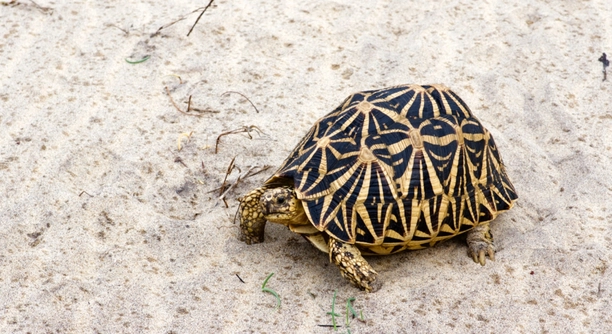
Turtles can be fascinating pets, each with their own unique behaviors. If you notice your turtle trying to flip over rocks, you might wonder what drives this action. Understanding why this happens can help ensure your turtle’s well-being.
Turtles often flip over rocks as part of their natural behavior. It can be a way to search for food, create shelter, or engage in territorial actions. This behavior may also be linked to stress or a desire for environmental enrichment.
Knowing the reasons behind this behavior will allow you to make necessary adjustments to your turtle’s habitat. By doing so, you can improve their overall health and happiness.
Why Do Turtles Flip Over Rocks?
Turtles flipping over rocks might seem like a strange behavior, but it’s actually quite normal for them. They’re often exploring their surroundings or looking for food. In the wild, turtles use rocks for shelter and to regulate their body temperature. In captivity, they may try to do the same if their environment isn’t properly structured. If your turtle is constantly flipping rocks, it could also indicate that it’s feeling bored or stressed due to limited space or lack of stimulation.
Sometimes, turtles might flip rocks simply to investigate their environment. They’re naturally curious creatures and may move objects to find hiding places or uncover potential food sources. In a tank, the lack of natural elements can cause them to seek out behaviors that they would typically perform in the wild.
If this behavior becomes excessive, it’s important to review their habitat. A lack of hiding spots or not enough variety in the enclosure can lead your turtle to engage in repetitive actions. Making sure the tank has hiding spots, varied substrates, and appropriate environmental features can reduce stress and improve their overall comfort.
Stress and Lack of Stimulation
Your turtle’s actions may stem from stress. Stress can occur when they feel confined or when their environment is lacking in variety. Without enough space or mental stimulation, turtles may resort to flipping rocks or engaging in repetitive behaviors.
If your turtle seems agitated or constantly flips rocks, it may be trying to relieve anxiety. Turtles need places to hide and explore. By adding elements like logs, plants, or rocks to their habitat, you can reduce stress and make them feel more secure. Additionally, ensuring they have proper lighting and temperature regulation is key to maintaining their well-being. A proper setup mimics their natural environment, encouraging natural behaviors like basking or foraging.
Turtles thrive in environments that allow them to engage in a variety of activities. Regularly changing their surroundings, adding new objects, or varying their diet can provide stimulation and prevent them from focusing solely on flipping rocks. Monitoring their behavior for signs of stress is crucial to ensuring they stay healthy and content.
Environmental Factors Affecting Behavior
Turtles need an environment that supports their natural behaviors. If their tank doesn’t provide proper hiding spots or opportunities for exploration, they may engage in repetitive actions like flipping rocks. Providing the right setup is crucial for their well-being.
A tank without sufficient hiding spots or enrichment can lead to stress. Turtles are naturally curious and need space to explore. If they can’t find rocks or other structures to hide under, they might try flipping them to create a sense of safety. Adding driftwood, rocks, and plants to the tank gives them places to hide, climb, and explore.
To create a comfortable habitat, use a variety of substrates such as sand, gravel, or aquatic plants. These materials allow turtles to express natural behaviors and can reduce the urge to flip rocks. A balanced environment, with varying temperatures and proper UV lighting, also supports their health and reduces anxiety. Regularly checking the tank’s conditions ensures your turtle remains comfortable and engaged.
The Role of Temperature and Lighting
Proper temperature and lighting are essential for your turtle’s health. If they don’t have access to a basking spot or the right lighting, they may try to find a way to regulate their temperature themselves. This could include flipping rocks in search of a more suitable environment.
Turtles need both heat and UV light to thrive. If your tank is too cold, your turtle may try to create heat by moving rocks or objects around. Similarly, inadequate UVB lighting can cause stress and result in unnatural behaviors, like flipping rocks in search of sunlight. To prevent this, ensure that the tank has a heat source, such as a basking lamp, and that UVB lighting is available for several hours each day.
Maintaining the right balance of temperature and lighting can make a significant difference in your turtle’s behavior. Without access to proper conditions, your turtle may exhibit signs of discomfort, including flipping rocks or engaging in other restless actions. Consistent care and attention to their environment are key to preventing such behavior.
Diet and Feeding Behavior
Your turtle’s diet can affect its behavior. If they are hungry or not receiving enough food, they might engage in behaviors like flipping rocks in an attempt to find food. Ensuring they are well-fed helps reduce unnecessary actions.
Feeding your turtle a varied diet is important for their overall health and well-being. Inadequate nutrition might lead to frustration, causing them to engage in repetitive behaviors, such as flipping rocks. Make sure to provide a balanced diet, including vegetables, proteins, and specialized turtle food.
Turtles that are underfed or have an insufficient variety of food may look for additional food sources. By providing regular, well-balanced meals, you can avoid this and ensure your turtle’s health. This also helps minimize stress, leading to more natural and less frantic behavior.
Overcrowding in the Tank
Overcrowding can contribute to stress, leading to behaviors like flipping rocks. If there are too many turtles in one tank, they may compete for space, food, and resources, causing anxiety. Keeping an appropriate number of turtles helps maintain a calm environment.
In overcrowded tanks, turtles may act out of frustration. Too many turtles in one space creates competition, leading to increased stress. This can prompt behaviors like flipping rocks, as they attempt to create space or establish territory. Keep the number of turtles per tank manageable to avoid these issues.
Tank Maintenance
Regular tank maintenance is essential for your turtle’s health and behavior. A dirty tank or stagnant water can lead to health problems and stress, which may cause your turtle to engage in behaviors like flipping rocks. Keeping the tank clean is crucial.
A clean environment helps ensure your turtle’s well-being and comfort. If the tank is not properly maintained, your turtle might try to alter their environment by flipping objects. Regular cleaning, proper filtration, and water changes ensure that your turtle has a clean and healthy space to live in.
FAQ
Why does my turtle flip rocks in its tank?
Turtles often flip rocks in their tank as a natural behavior. In the wild, they use rocks and other objects to search for food, create shelters, or regulate temperature. If your turtle flips rocks repeatedly, it could be seeking these needs. It may also reflect boredom or stress, especially if there aren’t enough hiding spots or enrichment in the tank. Ensuring your turtle has plenty of places to hide, climb, and explore can reduce this behavior.
How can I stop my turtle from flipping rocks?
To stop your turtle from flipping rocks, first evaluate its environment. Ensure the tank has enough hiding spots, different substrates, and climbing opportunities. Adding natural elements like plants, driftwood, or rocks can provide stimulation. Also, ensure the water temperature and lighting are appropriate for your turtle’s species. Sometimes, stress or lack of enrichment drives the flipping, so offering a more engaging and secure environment can reduce this behavior.
Is it a sign of stress when my turtle flips rocks?
Yes, excessive flipping of rocks can be a sign of stress. If your turtle is feeling cramped or lacks proper hiding spots, it might engage in this behavior as a way to relieve anxiety. Stress can also be triggered by improper tank conditions, such as temperature imbalances, poor water quality, or overcrowding. Ensuring your turtle has a comfortable and enriching habitat can help alleviate stress-related behaviors.
How often should I clean my turtle’s tank?
It’s essential to clean your turtle’s tank regularly to maintain a healthy environment. You should perform a partial water change once a week, removing about 25-50% of the water, depending on tank size and filtration. Spot clean daily by removing any uneaten food, waste, and debris. Deep clean the tank and filter every 4-6 weeks to ensure optimal water quality.
Can my turtle flip rocks to find food?
Yes, turtles may flip rocks in search of food, particularly if they’re hungry or looking for hidden food. In the wild, they often use rocks to uncover food or to create shelters where food might be hidden. If your turtle is frequently flipping rocks, make sure it’s getting enough food and variety in its diet. Offering a balanced mix of vegetables, proteins, and turtle-specific food will keep it satisfied and reduce the need for this behavior.
Do turtles need UVB lighting to prevent flipping rocks?
UVB lighting is crucial for a turtle’s health, as it helps them synthesize vitamin D3 and absorb calcium. Without proper UVB exposure, turtles can become stressed, which may lead to abnormal behaviors like flipping rocks. A UVB light should be available for 10-12 hours a day to mimic natural sunlight. Ensure the light is positioned correctly so your turtle can bask under it, and replace the bulb regularly to maintain its effectiveness.
Is it normal for my turtle to flip rocks constantly?
Occasional rock flipping is normal behavior for turtles, but constant flipping can indicate an issue with their environment. It may signal stress, boredom, or inadequate tank conditions. Review the tank setup to ensure it provides enough stimulation, hiding spots, and space for the turtle to move around. Addressing environmental factors such as temperature, lighting, and enrichment can reduce this behavior.
How can I tell if my turtle is stressed?
Signs of stress in turtles can include erratic movements, excessive basking, rock flipping, loss of appetite, or hiding more than usual. Stress can result from inadequate tank conditions, such as improper water temperature, lighting, or overcrowding. Regularly observe your turtle’s behavior and adjust its environment accordingly to reduce stress. Ensuring a calm, enriching space will keep your turtle happy and healthy.
Do different species of turtles flip rocks for different reasons?
Yes, different species of turtles might flip rocks for various reasons based on their natural habits. Aquatic turtles, for example, might flip rocks while searching for food or creating hiding spots. Terrestrial turtles may engage in rock flipping as part of nesting behavior or to find a safe, sheltered area. Understanding the specific needs of your turtle species helps you tailor the environment to reduce unnecessary behaviors, like constant rock flipping.
Can overcrowding in the tank cause my turtle to flip rocks?
Overcrowding can definitely contribute to stress, leading to behaviors like flipping rocks. When too many turtles share a tank, they compete for resources, such as food, space, and hiding spots. This competition can cause anxiety, which may manifest as excessive rock flipping. To prevent this, keep the turtle population in the tank manageable and provide plenty of space, hiding areas, and food to reduce competition.
How can I make my turtle’s tank more enriching?
To make your turtle’s tank more enriching, add various objects that promote natural behaviors, such as climbing rocks, plants, logs, and shelters. A well-structured tank provides opportunities for hiding, basking, and exploring. Vary the substrate with sand, gravel, or pebbles to encourage digging and burrowing. Also, change the layout occasionally to keep the turtle engaged and stimulated. Regularly offer new types of food to keep your turtle’s diet exciting.
Should I be concerned if my turtle flips rocks at night?
If your turtle flips rocks at night, it might be responding to environmental factors such as temperature or lighting. Turtles are generally more active during the day, but some species may also be nocturnal or crepuscular, meaning they are active at dawn or dusk. However, excessive nighttime rock flipping could indicate an issue with their habitat. Make sure the tank has appropriate night lighting or dimmed lights, and ensure the tank temperature is stable during both day and night to help regulate your turtle’s behavior.
Can turtles flip rocks in the wild?
Yes, turtles in the wild often flip rocks as part of their natural behavior. In their native environments, turtles may flip rocks to uncover food, create shelter, or regulate their body temperature. This behavior is much less common in captivity if the tank setup properly mimics the natural environment. Providing your turtle with a variety of hiding spots, climbing structures, and ample space can reduce the need for this behavior in your home setup.
Is rock flipping a sign of boredom in my turtle?
Yes, if your turtle is flipping rocks frequently, boredom may be a contributing factor. Turtles are intelligent and curious creatures that need stimulation to stay mentally and physically healthy. Lack of interaction, limited space, or a monotonous environment can lead to repetitive behaviors like flipping rocks. Ensuring your turtle has various objects to explore, as well as opportunities to engage in natural behaviors, can help reduce boredom and improve its quality of life.
Final Thoughts
Turtles are fascinating creatures with unique behaviors. When a turtle flips rocks, it can be a sign of various underlying factors. Understanding the reasons behind this behavior is important to ensure your turtle is healthy and happy. It could be simply acting on natural instincts, or it might be trying to communicate that something in its environment needs adjusting. Whether it’s hunger, stress, or a need for more stimulation, paying attention to these signs can help you provide a better living space for your turtle.
Proper tank setup is key to reducing unnecessary behaviors like rock flipping. Turtles need a variety of hiding spots, different textures to explore, and enough space to move freely. A well-maintained environment with the correct temperature, water quality, and lighting can reduce stress and help keep your turtle content. Also, offering an enriching environment, with objects to climb, hide, and explore, will keep your turtle mentally stimulated and prevent boredom from driving it to repetitive behaviors.
Lastly, while flipping rocks might be a natural instinct for turtles, it can also be an indication that something is off in its tank. Constant flipping may signal that the turtle is stressed, seeking food, or trying to create a more comfortable environment. By observing your turtle’s behavior closely and making necessary changes to its habitat, you can ensure its well-being and provide a healthier, happier life. Taking the time to meet your turtle’s needs will help reduce unwanted behaviors and create a more enjoyable environment for both you and your pet.

Hello,
If you enjoy the content that we create, please consider saying a "Thank You!" by leaving a tip.
Every little bit helps us continue crafting quality advice that supports the health, happiness, and well-being of pets around the world, for pets of all shapes, sizes, and species.
We really appreciate the kindness and support that you show us!