
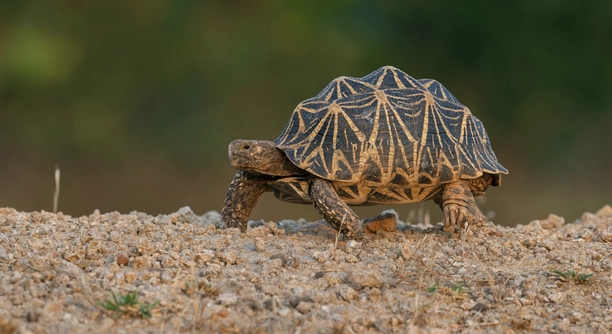
Turtles are fascinating creatures, but it can be concerning when they repeatedly try to flip over. This behavior may stem from a variety of causes related to their environment or health. Understanding the reasons behind it can help you address the issue effectively.
The most common reason a turtle attempts to flip over is a lack of proper support or comfort in its environment. This behavior could indicate that the turtle feels stressed or insecure, possibly due to inadequate habitat conditions or an imbalance in its tank setup.
The right environment and proper care can help your turtle thrive and prevent this frustrating behavior.
Possible Environmental Issues
Turtles often flip over when they feel their environment isn’t suitable. A tank that’s too small, dirty water, or improper decorations can contribute to this behavior. If the turtle doesn’t feel safe or secure, it may try to flip over as a form of stress relief or because it can’t find a comfortable spot to settle. Water temperature is another important factor. Turtles are cold-blooded, and if the water is too cold, they may have trouble moving, which could lead to flipping over. Ensure that the tank is large enough for the turtle to move freely, with a temperature range that supports their well-being.
In addition to the size of the tank, the accessories inside, like rocks and platforms, should be positioned correctly. If a turtle is unable to access a platform, it may attempt to flip itself over to find more stability or comfort.
The design of the tank plays a crucial role in your turtle’s well-being. Providing areas for basking, hiding, and moving freely helps create a more comfortable environment. Additionally, removing sharp or heavy decorations reduces the chance of injury when the turtle tries to flip. Keeping the tank clean ensures that no harmful bacteria or algae buildup can make the turtle’s environment uncomfortable.
Health-Related Concerns
If your turtle keeps trying to flip over, there may be a health issue at play.
In some cases, a turtle might be ill or injured, which affects its ability to right itself. A common issue is shell rot, which can cause weakness and disorientation. In more severe cases, internal parasites or a vitamin deficiency can result in the turtle lacking the strength or coordination needed to stay upright. If the flipping behavior continues, it’s essential to get the turtle checked by a vet.
Turtles with respiratory infections may also struggle with buoyancy, making it hard for them to right themselves if flipped over. Regular check-ups with a veterinarian ensure that health problems are detected early and can be addressed before they worsen. When a turtle is consistently trying to flip over, it’s important to carefully examine its physical condition for any visible signs of injury or illness. This may include swollen areas, discoloration on the shell, or abnormal movement patterns.
Tank Conditions and Setup
A proper tank setup is vital for your turtle’s well-being. Ensure the water is clean and free from harmful bacteria. Filtration systems should be checked regularly to avoid water contamination. Proper lighting and temperature are equally crucial to prevent stress and discomfort.
Turtles require both UVB lighting and a heat source. The basking area should be kept warmer than the water, as it mimics the natural environment. The tank’s water temperature should range between 75°F and 85°F, and the basking area should be between 90°F and 95°F. Proper lighting ensures that turtles can synthesize vitamin D, promoting overall health. Without proper heat and light, turtles may attempt to flip over due to discomfort or inactivity caused by cold temperatures.
A well-maintained tank also includes clean substrate or gravel. Avoid using sharp or rough materials that could cause injury to your turtle. Properly placed rocks or platforms provide your turtle with places to rest, hide, and bask. When turtles feel comfortable, they’re less likely to attempt flipping.
Diet and Nutrition
Inadequate nutrition can lead to weakness, affecting a turtle’s mobility.
If your turtle’s diet lacks essential nutrients like calcium, it could impact its strength and coordination. Turtles need a balanced diet that includes both plant and animal matter. Offering a variety of foods like leafy greens, pellets, and occasional protein sources ensures they get the vitamins and minerals they need to stay healthy.
A diet deficient in calcium can lead to shell deformities, making it difficult for a turtle to move properly. This may lead to flipping over as it struggles to maintain balance. Additionally, inadequate food intake or improper diet can weaken the turtle’s muscles, making them less capable of righting themselves when flipped. Regularly offering a balanced and varied diet improves their overall health and prevents related issues.
Providing the right food not only keeps your turtle strong but helps prevent the behavior of flipping.
Stress and Anxiety
Stress can lead to your turtle flipping over. Changes in its environment, like a new tank mate or loud noises, can cause anxiety. These stressors affect the turtle’s behavior and may make it feel unsafe, prompting attempts to flip over.
To reduce stress, maintain a stable and calm environment. Avoid sudden changes to the tank, and ensure there’s enough space for the turtle to retreat and feel secure. Regular interactions, like gentle handling, help your turtle adjust to its environment and can prevent stress-related behaviors. A well-structured tank with hiding spots will help create a more relaxed space.
Shell Health
Shell health is vital for your turtle’s mobility.
If your turtle’s shell is cracked, damaged, or infected, it might struggle to right itself. Healthy shells are essential for maintaining balance and stability. Shell rot, caused by bacteria or fungi, can weaken the shell and make the turtle more vulnerable to flipping over. Regular inspection of the shell for any signs of damage or discoloration is important.
Proper care, including a clean tank and UVB lighting, can prevent shell-related issues. Keeping the turtle’s environment dry and free from bacteria reduces the chances of shell rot and other complications.
FAQ
Why does my turtle keep flipping over on its back?
Flipping over is often a sign that your turtle’s environment is not suitable for its needs. It may feel stressed or uncomfortable due to water temperature issues, lack of proper hiding spots, or an overcrowded tank. Additionally, if a turtle’s shell is not strong enough or is deformed, it might struggle to balance itself, causing it to flip. Ensure your turtle has a properly sized tank with clean water, proper temperature, and UVB lighting to help prevent this issue.
How can I stop my turtle from flipping over?
To stop the flipping behavior, focus on creating a stable and comfortable environment. Make sure the tank is large enough, provides plenty of hiding spots, and has the right temperature. Regularly clean the tank, and place basking areas with proper heat and light sources. Also, ensure your turtle’s diet is well-balanced, containing essential nutrients for shell and muscle health. If flipping persists, consult a vet to rule out any health concerns.
Could my turtle be sick if it keeps trying to flip over?
Yes, persistent flipping can indicate health problems. It could be a sign of shell issues, like shell rot, or other health concerns such as vitamin deficiencies, internal parasites, or respiratory infections. Turtles with weak muscles or those suffering from illness may struggle with movement and balance. A visit to the vet is essential if you suspect any underlying health issues.
Can a turtle’s tank be too big?
While larger tanks are generally better, there’s a balance to be struck. An excessively large tank might make it difficult for the turtle to find food or bask effectively. It’s essential to create a space that is appropriately sized with all necessary elements like a basking area, hiding spots, and proper lighting. A tank that’s too big can make the turtle feel disoriented, leading to stress and potential flipping.
How often should I clean my turtle’s tank?
Turtles require clean water to stay healthy. A tank should be cleaned at least once a week, but it depends on the size of the tank and the number of turtles. Regular water changes help maintain a healthy environment, and cleaning the tank prevents the buildup of harmful bacteria or algae that could lead to illness. Additionally, always check for debris or waste on the bottom and remove it regularly to keep the water quality high.
What temperature should my turtle’s water be?
Water temperature plays a key role in your turtle’s overall health. The ideal temperature range for most turtle species is between 75°F and 85°F. If the water is too cold, it can make the turtle lethargic and increase the risk of flipping. Use a thermometer to maintain the proper temperature, and ensure your turtle’s basking area is a few degrees warmer to allow them to regulate their body temperature.
Do I need to give my turtle UVB light?
Yes, UVB light is crucial for a turtle’s health. UVB helps turtles synthesize vitamin D3, which is essential for calcium absorption and shell health. Without UVB light, your turtle may develop metabolic bone disease and other health problems. Ensure that the tank is equipped with a UVB bulb that is appropriate for the size of your tank, and replace the bulb regularly, as UVB output decreases over time.
What should I do if my turtle’s shell looks damaged?
If you notice any cracks, soft spots, or discoloration on your turtle’s shell, it’s important to address the issue immediately. A damaged shell can lead to infections and other complications. Clean the affected area gently and keep the turtle in clean, warm water. If the damage seems serious, take your turtle to a vet for professional care. Regularly inspecting your turtle’s shell can help prevent unnoticed issues from becoming worse.
Can stress cause my turtle to flip over?
Yes, stress can cause a turtle to engage in abnormal behaviors, including flipping over. Stress can be triggered by a variety of factors, such as sudden changes in the environment, aggressive tank mates, or a lack of hiding spaces. Turtles thrive in stable, calm environments. If your turtle keeps flipping over, try reducing potential stressors, such as by providing more hiding spots or rearranging the tank.
Is my turtle too old to stop flipping over?
Age can impact a turtle’s physical abilities, but that doesn’t necessarily mean they cannot stop flipping over. Older turtles might have weaker muscles or suffer from conditions like arthritis, making it harder to right themselves. However, a proper environment, balanced diet, and regular veterinary care can help improve their mobility and reduce the chance of flipping over.
How can I tell if my turtle is feeling unwell?
Signs that your turtle may be unwell include lethargy, lack of appetite, abnormal swimming behavior, and difficulty moving. If your turtle is struggling to right itself, has a soft or discolored shell, or exhibits any unusual behavior, it may indicate health problems. In such cases, it’s essential to seek veterinary attention for a proper diagnosis and treatment plan.
How long should I leave my turtle under the UVB light?
Turtles should be exposed to UVB light for around 10-12 hours a day to mimic natural sunlight. Ensure that the UVB light is placed at the proper distance from the basking area, as the strength of UVB rays decreases with distance. Avoid leaving the light on for longer than necessary, as prolonged exposure could cause overheating or stress.
Can too many tank mates make my turtle flip over?
Yes, overcrowding can lead to stress, which might result in flipping over. If there are too many turtles in the tank, they might compete for space, food, and basking spots, leading to discomfort. Additionally, territorial disputes can cause your turtle to feel unsafe. Limit the number of turtles in the tank and ensure there’s enough room for each one to live comfortably.
Final Thoughts
Turtles are resilient creatures, but like all pets, they require proper care and attention to thrive. Understanding why your turtle keeps flipping over is an important step in ensuring its health and well-being. The most common reasons for this behavior are stress, shell health, and environmental factors. Addressing these issues can help your turtle live a longer, healthier life. Ensuring a clean tank, stable water temperature, and proper lighting are key steps in preventing this behavior. It’s essential to regularly check on your turtle’s environment to make sure everything is up to standard.
If flipping continues despite your efforts, it might be a sign of a more serious issue. A visit to the vet can help identify any potential health problems, such as shell damage, infections, or even internal health issues that could be causing mobility issues. Regular check-ups are essential, especially for older turtles, to ensure they remain strong and healthy. A vet can also provide guidance on improving your turtle’s care, offering advice tailored to your specific turtle’s needs.
Ultimately, by providing the right care and environment, your turtle should be able to avoid flipping over and lead a healthy, comfortable life. Keep its tank clean, monitor its health, and reduce stressors in its surroundings. A little extra effort can go a long way in making sure your turtle remains happy and safe. Remember, the goal is to create a safe and comfortable space where your turtle can thrive without unnecessary stress.

Hello,
If you enjoy the content that we create, please consider saying a "Thank You!" by leaving a tip.
Every little bit helps us continue crafting quality advice that supports the health, happiness, and well-being of pets around the world, for pets of all shapes, sizes, and species.
We really appreciate the kindness and support that you show us!