
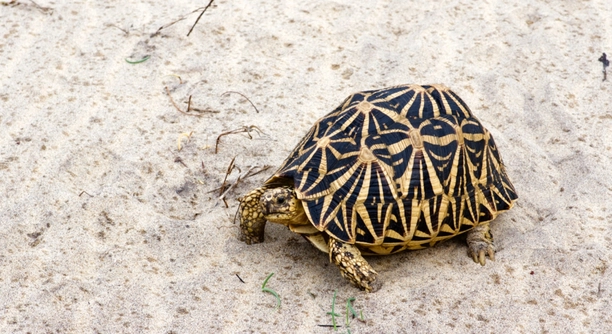
Turtles can be fascinating pets, but they sometimes display behaviors that puzzle their owners. One common issue is when a turtle tries to eat its tank mates, which can be concerning.
Turtles often attempt to eat their tank mates due to their natural instincts as opportunistic feeders. This behavior can stem from hunger, territorial aggression, or a lack of space in the tank, leading to stress.
Understanding why your turtle is acting this way can help resolve the issue. It’s important to manage their diet, space, and tank setup to create a safer environment for all your pets.
Why Turtles May Try to Eat Tank Mates
Turtles are naturally opportunistic feeders, meaning they will eat anything that moves. In the wild, this instinct helps them survive, but in a tank, it can cause problems. Turtles may try to eat smaller tank mates simply because they see them as potential food. If the turtle is hungry or feels stressed, it might act more aggressively towards its tank mates, even if they’re not actually hungry. In smaller tanks, where space is limited, turtles can become territorial and feel threatened by other animals. This can lead to aggressive behavior, including attempts to eat other creatures.
Proper tank size and diet are essential in preventing this behavior. A well-fed turtle with enough space is less likely to attack its tank mates. Additionally, not all turtles have the same temperament. Some may be more aggressive than others, and this can influence how they interact with tank mates. Understanding these factors will help you avoid conflicts.
Stress and lack of space can also make a big difference. If your turtle is constantly under stress, whether from other animals or improper tank conditions, it may be more likely to engage in aggressive behaviors. Adding more hiding spots, increasing the tank’s size, and adjusting the water conditions can help keep the turtle calm and prevent these attacks. The goal is to make your turtle feel safe and secure while ensuring all your pets get along.
How to Manage Tank Mates
Choosing the right tank mates for your turtle is essential. Not all animals will mesh well with a turtle’s personality. Some species are more likely to provoke aggression, while others are more peaceful.
Start by selecting animals that are similar in size to your turtle. Smaller creatures may become targets. Additionally, avoid keeping small fish or invertebrates with your turtle, as they are more likely to get eaten. Instead, consider animals that are large enough to defend themselves, like some species of fish or larger aquatic creatures. This can help reduce the chances of conflict.
By observing your turtle’s behavior and adjusting the tank setup as needed, you can create a peaceful environment for everyone involved.
Tank Size and Space Matters
A cramped tank can lead to tension between turtles and their tank mates. Turtles need enough room to swim, explore, and feel safe. If the tank is too small, they may become territorial and aggressive, which can increase the chances of them trying to eat other animals. Space allows them to move freely and reduces stress.
A minimum of a 40-gallon tank is recommended for a single adult turtle. If you’re housing multiple turtles, you’ll need even more space. When there’s enough room to spread out, turtles are less likely to feel threatened or compete for space. This also gives other tank mates the opportunity to avoid each other, making peaceful coexistence easier.
The layout of the tank also plays a big role. Including plants, rocks, or hiding spots gives the tank mates places to retreat if they feel threatened. A larger tank with more places to hide will help reduce aggressive interactions between your turtle and its companions.
Proper Diet to Prevent Aggression
A well-fed turtle is less likely to go after other animals in the tank. If your turtle is consistently hungry, it may try to eat anything that moves, including smaller tank mates. Offering a balanced diet that meets their nutritional needs will help keep them satisfied and less focused on hunting.
Protein-rich foods like fish, insects, and pellets should be part of a turtle’s diet. However, make sure to feed them the right amount based on their age and species. Overfeeding or underfeeding can lead to problems. A consistent feeding schedule is key to preventing hunger-related aggression.
By providing enough food, you can minimize your turtle’s need to hunt tank mates. It also prevents health issues like obesity. If your turtle seems overly interested in other animals, it may be a sign that it isn’t getting enough food or the right nutrients. Keeping an eye on their eating habits is essential.
Tank Conditions and Water Quality
Improper water conditions can cause stress, leading turtles to act aggressively toward tank mates. Maintaining clean water with the right temperature and pH levels helps create a stable environment. If your turtle feels uncomfortable, it may become more territorial and try to eat smaller animals.
Regular water changes, proper filtration, and monitoring water temperature are essential. Dirty or improperly filtered water increases the likelihood of your turtle becoming stressed, which can lead to aggressive behaviors. Make sure to test water regularly to ensure it’s ideal for both your turtle and its companions.
Creating a healthy tank environment reduces stress and helps keep your turtle calm, leading to less aggression toward other animals. A happy turtle is less likely to view its tank mates as food.
Socialization and Behavior
Turtles are solitary creatures by nature, but they can learn to coexist with other tank mates. However, it takes patience and observation to ensure that their behavior is managed properly. Some turtles simply do better alone, while others may tolerate tank mates if given enough space and resources.
Introducing new tank mates should be done carefully. Gradually acclimate the turtle to its new environment and monitor interactions closely. Watch for signs of aggression, such as chasing or biting. If these behaviors persist, it may be best to separate the animals. Ensuring that both the turtle and its tank mates feel secure will lead to a more harmonious tank.
Species Compatibility
Not all species of turtles get along with the same tank mates. Some may be more aggressive than others, while some are naturally peaceful. Before introducing new animals, research both the turtle’s species and the potential tank mates to ensure compatibility. Consider the size, temperament, and diet of each animal.
FAQ
Why does my turtle try to eat smaller fish?
Turtles are natural hunters, and in the wild, they eat anything they can catch. When kept in a tank, this instinct doesn’t disappear. Small fish often look like prey to a turtle, especially if the turtle is hungry. Even if the fish are not part of their regular diet, the movement of smaller fish can trigger their hunting instincts. It’s important to monitor the size of the tank mates and make sure your turtle has enough food to avoid such behavior.
Can I stop my turtle from trying to eat its tank mates?
While you can’t completely eliminate your turtle’s predatory instincts, there are steps you can take to reduce the likelihood of aggression. A larger tank, proper diet, and hiding spots for tank mates can help. Ensuring your turtle is well-fed and has enough space will make it less likely to view smaller animals as food. If aggression persists, you may need to separate certain animals to prevent harm.
How do I know if my turtle is stressed?
A stressed turtle may exhibit signs like rapid swimming, hiding more often, or refusing to eat. It may also act more aggressively or display erratic movements. Stress can come from overcrowding, poor water quality, or a lack of food. If your turtle shows any of these behaviors, check the tank’s conditions and make adjustments as needed. Reducing stress will likely reduce aggression toward other tank mates.
Can I keep my turtle with snails or other invertebrates?
It depends on the species of turtle and the size of the invertebrates. Some turtles may leave snails alone, but others may try to eat them. Invertebrates like snails can often be seen as an easy meal for turtles, especially if the turtle is hungry. If you decide to keep snails or other invertebrates with your turtle, make sure the snails are large enough to avoid being eaten.
What are the best tank mates for my turtle?
The best tank mates for turtles are those that are similar in size and temperament. Fish like koi, large goldfish, or certain species of catfish may coexist with your turtle, as long as they are large enough to avoid being seen as prey. Avoid keeping small fish or invertebrates with your turtle. Some species of frogs or other amphibians may also get along, but it’s important to research the specific species before introducing them.
Should I worry about my turtle eating other reptiles?
Turtles can be aggressive toward other reptiles, especially if they are much smaller. If you plan to house a turtle with other reptiles, ensure they are of similar size and temperament. Some turtles may try to eat smaller reptiles like frogs or smaller turtles, especially if they feel threatened or are hungry. Monitoring interactions carefully and providing plenty of space and hiding spots is key to preventing such behavior.
What can I do if my turtle keeps biting its tank mates?
If your turtle is biting its tank mates, it’s a sign of aggression or territorial behavior. Make sure your turtle has plenty of space to move around. Sometimes, adding more hiding spots or rearranging the tank can reduce territorial aggression. If the problem persists, it may be necessary to separate the aggressive turtle from its tank mates. Biting can also be linked to hunger, so ensure your turtle is getting enough food.
How often should I feed my turtle to avoid aggression?
Feeding your turtle properly is crucial to minimizing aggressive behavior. Adult turtles should typically be fed every other day, while younger turtles may need to be fed daily. Make sure to provide a balanced diet, including protein, vegetables, and some commercial turtle food. If your turtle is well-fed and satisfied, it is less likely to act aggressively toward its tank mates.
Can I add new tank mates to my turtle’s tank?
You can add new tank mates, but it’s important to do so carefully. When introducing new animals, make sure the turtle has enough space and time to adjust to the changes. Start by adding tank mates that are similar in size and temperament to avoid aggression. Watch closely for signs of aggression and be prepared to remove any animals if things don’t go well.
What are some signs that my turtle is being territorial?
Turtles show territorial behavior when they feel threatened or overcrowded. They may chase other animals, nip at them, or even block access to food or hiding spots. Territorial aggression often happens in tanks that are too small or lack enough hiding spaces. To reduce territorial behavior, provide more room, hiding places, and a consistent feeding schedule. If the aggression continues, separating the turtles may be the best solution.
Will my turtle try to eat my plants?
Turtles sometimes nibble on aquatic plants, but whether they do this depends on the species. Some turtles enjoy eating plants, while others are more focused on meat-based diets. If your turtle is eating your plants, it’s important to offer other food sources to prevent it from damaging your tank’s greenery. You can also try adding more sturdy plants that can tolerate a bit of nibbling.
Final Thoughts
Turtles are fascinating creatures that can make wonderful pets, but their natural instincts can sometimes cause issues when kept with tank mates. Their desire to hunt and territorial nature can lead to aggression, especially if they feel threatened or are hungry. Understanding these behaviors is crucial for creating a peaceful tank environment. By providing your turtle with a proper diet, enough space, and hiding spots for its companions, you can reduce the chances of aggressive behavior. It’s important to monitor your turtle’s actions closely, particularly when introducing new tank mates. Sometimes, despite our best efforts, certain turtles may not get along with others.
The key to preventing aggression lies in a balance between space, diet, and tank conditions. Overcrowding, poor water quality, and insufficient food can increase stress levels in turtles, which can lead to more aggression. Ensuring that your turtle is well-fed and has enough room to swim and explore can significantly reduce the likelihood of it trying to eat its tank mates. It’s also important to pay attention to the specific needs of your turtle’s species. Some turtles may be more aggressive by nature, while others may have a calmer temperament. Knowing your turtle’s behavior and adjusting the tank setup accordingly will help in managing its interactions with other animals.
In some cases, despite taking all the right steps, some turtles simply may not be suitable for a tank with other animals. If this is the case, it might be best to keep your turtle in a separate tank to ensure the safety of other pets. The goal is always to provide the best possible environment for all creatures in your care, ensuring they thrive in a safe and healthy space. By paying attention to the details, you can create an environment where your turtle and its tank mates can coexist peacefully.

Hello,
If you enjoy the content that we create, please consider saying a "Thank You!" by leaving a tip.
Every little bit helps us continue crafting quality advice that supports the health, happiness, and well-being of pets around the world, for pets of all shapes, sizes, and species.
We really appreciate the kindness and support that you show us!