
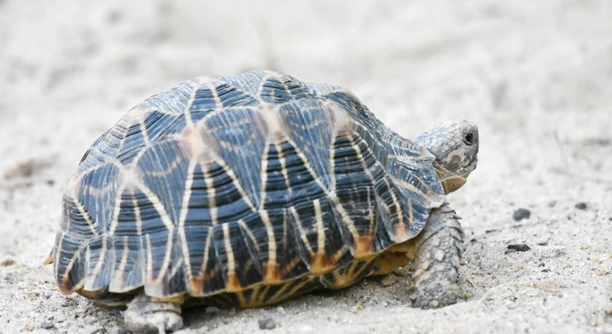
Is your turtle constantly trying to climb the filter in its tank, leaving you wondering why it keeps attempting this behavior? Many turtle owners notice this habit and want to understand what might be causing it.
The main reason your turtle keeps trying to climb the filter is likely due to inadequate tank conditions. Poor water quality, incorrect temperature, lack of basking areas, or general stress can make turtles restless, leading them to seek escape or higher ground.
Turtles rely on their environment to feel safe and comfortable. Learning the possible causes behind this behavior can help you create a better habitat and ensure your turtle’s well-being.
Common Reasons Your Turtle Is Climbing the Filter
Turtles are naturally curious and active creatures. If your turtle is frequently trying to climb the filter, it could be due to stress, boredom, or unsuitable tank conditions. A small or overcrowded tank can make a turtle feel confined, leading to escape attempts. Poor water quality or incorrect temperature may also cause discomfort, prompting your turtle to seek a better environment. Another reason could be a lack of basking spots. Turtles need a dry area to regulate their body temperature, and if one is not available, they might try to use the filter instead. Addressing these factors can help reduce this behavior.
A restless turtle is often trying to communicate that something is wrong. Paying attention to their behavior and checking their habitat setup can help you determine the issue. Making necessary adjustments can create a more comfortable space for your turtle.
Providing a properly sized tank, clean water, and an appropriate basking area can prevent climbing attempts. A general rule is to have at least ten gallons of water per inch of shell length. Regularly cleaning the tank and using a good filtration system ensures water stays fresh. Additionally, maintaining a temperature between 75-85°F for the water and 85-95°F for the basking area helps keep turtles healthy.
How to Stop Your Turtle from Climbing the Filter
One of the easiest ways to prevent your turtle from climbing the filter is by ensuring their habitat meets their needs. A spacious tank with proper heating, lighting, and basking spots can reduce stress and unwanted behaviors.
If your turtle continues climbing the filter, consider using a filter with a smooth, vertical design that is harder to grip. You can also place a protective barrier around the filter, such as a mesh screen or a piece of acrylic. Adding more enrichment, like floating plants or hiding spots, can keep your turtle entertained and less focused on escaping. Regular water changes and monitoring ammonia and nitrate levels can improve water quality, creating a more comfortable environment.
Sometimes, turtles climb the filter simply because they can. If the behavior is not causing harm, it may not be a serious issue. However, if your turtle appears stressed or persistently tries to escape, reviewing their setup and making necessary changes will help them feel more secure.
Signs Your Turtle Is Stressed
Turtles show stress through unusual behaviors. Constantly trying to climb the filter, excessive hiding, and refusing to eat are common signs. Some turtles may become more aggressive or scratch at the glass frequently. These behaviors indicate discomfort and should not be ignored.
If your turtle is avoiding food, it may be feeling anxious or unwell. Stress can weaken their immune system, making them more prone to illness. Other signs include excessive basking, which can indicate issues with water quality, or frantic swimming, which may suggest they feel trapped. Checking for changes in their routine can help identify the cause.
A stressed turtle might also develop shell problems, such as soft spots or discoloration. Poor diet, incorrect humidity, and lack of UVB lighting can contribute to this. Observing your turtle’s daily habits and maintaining proper tank conditions can help prevent stress-related health problems.
Creating a Safe and Comfortable Environment
A properly set up tank makes a big difference in your turtle’s well-being. A spacious tank, clean water, and a sturdy basking area help reduce stress. The water should be deep enough for swimming, with a stable ramp leading to the basking spot. Consistent temperatures prevent discomfort and illness.
Adding tank decorations, like smooth rocks, driftwood, or floating plants, can give your turtle places to explore and hide. This reduces boredom and makes the habitat feel more natural. Avoid using small gravel, as turtles may accidentally ingest it. Choosing a filter that keeps water clean without creating strong currents will also help.
Lighting is essential for a healthy turtle. A UVB lamp provides necessary vitamin D3 for shell and bone health. Keeping a consistent day-night cycle helps regulate their behavior. Regular maintenance, such as water changes and filter cleaning, ensures a safe and comfortable home.
Adjusting the Filter Placement
Placing the filter in a corner or against the tank wall can make it harder for your turtle to climb. Securing it with suction cups or brackets prevents movement, reducing the chances of your turtle using it as a stepping point to escape.
If the filter has exposed edges or ledges, covering them with a smooth barrier can discourage climbing. Some turtle owners use acrylic panels or mesh screens to block access. Choosing a submerged or canister filter instead of a hang-on-back model can also help prevent this issue.
Choosing the Right Filter for Your Turtle
A strong filtration system keeps the water clean and reduces the need for frequent changes. Turtles produce a lot of waste, so choosing a filter rated for at least twice the tank’s capacity is recommended. Canister filters are popular because they provide powerful filtration without taking up space inside the tank. Internal filters work well for smaller setups but may require more maintenance. Avoid filters with strong currents, as they can make swimming difficult for your turtle. Regularly cleaning and replacing filter media helps maintain water quality and prevents unpleasant odors.
Monitoring Your Turtle’s Behavior
Watching for changes in activity, eating habits, or basking routines can help detect problems early. If your turtle continues climbing the filter despite adjustments, reviewing their environment is important. Small changes can make a big difference in their comfort and overall well-being.
FAQ
Why does my turtle try to climb everything in the tank?
Turtles often climb things in their tanks due to boredom, stress, or an uncomfortable environment. If they don’t have enough room to swim or bask, they may attempt to climb the filter, walls, or other objects in the tank. Providing a spacious tank with proper basking areas, clean water, and hiding spots can help reduce this behavior. Sometimes, it’s also a sign of a poorly set-up tank, such as incorrect water temperature or inadequate filtration.
How can I stop my turtle from climbing the filter?
To prevent your turtle from climbing the filter, ensure your tank has enough space and proper setups. First, adjust the filter placement so that it’s harder for your turtle to reach it. Securing the filter with suction cups or moving it to the tank’s corner can help. Additionally, consider a smooth filter design or use a mesh screen around the filter to discourage climbing. Improving the overall environment—by maintaining water quality and adding more enrichment—will also make your turtle less likely to seek an escape.
Can my turtle hurt itself by climbing the filter?
Yes, climbing the filter can lead to injuries. If your turtle falls or struggles to climb, it can hurt itself by hitting the tank walls or falling back into the water too suddenly. Overexertion and stress caused by the climbing can also weaken its immune system, making it more susceptible to illness. Keep the tank environment comfortable to prevent these risks, as a well-balanced setup reduces the need for your turtle to engage in risky behaviors like climbing.
Do turtles need to climb or leave the water to be healthy?
Turtles need a combination of water and dry areas to stay healthy. While they don’t need to leave the water for long periods, they require a basking area to regulate their body temperature. Without a place to bask, turtles may become stressed or develop health issues like shell rot. Turtles are semi-aquatic and rely on both water and dry areas to thrive. If your turtle is constantly trying to climb the filter, it might not have an appropriate basking spot or other options to meet its needs.
How much space does my turtle need in the tank?
The general rule of thumb is to provide 10 gallons of water per inch of turtle shell length. For example, if your turtle’s shell is 4 inches long, the tank should hold at least 40 gallons of water. Overcrowding can lead to stress, making turtles more likely to climb or try to escape. Additionally, ensure the tank has enough space for both swimming and basking. A larger tank allows your turtle to feel more secure and gives it room to explore, reducing the need for climbing behaviors.
Should I be worried if my turtle is climbing the filter every day?
While occasional climbing isn’t typically a major concern, daily climbing could indicate that your turtle isn’t comfortable in its tank. Check for potential issues like poor water quality, incorrect temperature, or inadequate tank space. If your turtle is persistently trying to climb, it’s likely a sign that its environment isn’t meeting its needs. Adjusting the setup, ensuring proper filtration, and adding enrichment options can help reduce this behavior. If the problem continues, consider seeking advice from a vet specializing in reptiles.
Can a filter current cause my turtle to climb?
Yes, if the filter creates a strong current, it can be difficult for your turtle to swim and may make them feel uneasy in the tank. This stress can lead to climbing behaviors. It’s important to choose a filter that matches your tank size and water needs without creating too much turbulence. Internal filters and canister filters are ideal for reducing current, while hang-on-back filters should be placed carefully to avoid strong water flow directly affecting your turtle.
How do I make my turtle’s habitat more interesting?
Providing a stimulating environment will keep your turtle engaged and reduce the likelihood of climbing. Add smooth rocks, floating plants, or driftwood to create hiding places and exploration opportunities. You can also introduce non-toxic aquarium decorations. Make sure the tank offers a varied landscape so your turtle can feel comfortable and entertained. Adding a few different types of plants will also help your turtle feel more at home. Boredom often causes climbing, so ensuring your turtle has plenty to interact with can help reduce this behavior.
How can I tell if my turtle is stressed?
Stressed turtles may display signs like decreased appetite, excessive basking, or constantly trying to escape. You might also notice that your turtle is more aggressive or restless, frequently swimming erratically or scratching the tank walls. In extreme cases, a stressed turtle could show signs of shell damage or discoloration. Keeping an eye on your turtle’s habits and making changes to its tank setup—like improving water quality, adjusting the temperature, or adding enrichment—can help relieve stress.
Does water temperature affect my turtle’s behavior?
Water temperature plays a crucial role in a turtle’s comfort and health. If the water is too cold, your turtle might become sluggish and more prone to stress, which could lead to climbing or other unusual behaviors. On the other hand, if the water is too warm, it may cause discomfort or health issues. Keep the water temperature between 75°F and 85°F. This range is ideal for most freshwater turtles, helping them stay active, healthy, and less likely to engage in climbing behavior.
What should I do if my turtle continues climbing despite changes?
If your turtle continues to climb even after adjusting the tank setup, it’s important to rule out health issues. A trip to the vet may be necessary to ensure there are no underlying problems like parasites or an illness causing the behavior. If your turtle is physically healthy, further tank adjustments, such as increasing the size of the tank, changing the filter, or adding more enrichment, can help prevent climbing.
Final Thoughts
Understanding why your turtle tries to climb the filter is essential for creating a comfortable living space. Turtles are naturally curious, but when they start climbing the filter, it often indicates that something is wrong with their environment. Whether it’s a sign of stress, boredom, or poor tank conditions, addressing these issues is important for their well-being. By making sure the water quality is high, the temperature is ideal, and there are enough places to bask and hide, you can reduce unwanted climbing behaviors. Small changes can lead to a happier, healthier turtle.
Creating the right environment for your turtle doesn’t just stop at the basics. Tank size, water quality, temperature, and lighting are all vital, but providing enrichment is just as important. Turtles are intelligent creatures, and they need mental stimulation to avoid becoming bored. By adding plants, rocks, or driftwood to their tank, you give them more to explore, which can help prevent climbing. Offering variety in their diet and ensuring they have the right amount of UVB light will also improve their overall health and reduce the chances of them seeking out the filter as a source of escape.
If your turtle continues to climb the filter despite making adjustments, it may be time to consult a veterinarian. Persistent climbing can be a sign of deeper issues, whether physical or behavioral. A professional can help rule out any health concerns and offer specific advice based on your turtle’s needs. With a few careful changes and a bit of patience, you can create a more comfortable and enjoyable environment for your turtle. This not only helps to stop climbing but also ensures that your turtle has a long, healthy life.

Hello,
If you enjoy the content that we create, please consider saying a "Thank You!" by leaving a tip.
Every little bit helps us continue crafting quality advice that supports the health, happiness, and well-being of pets around the world, for pets of all shapes, sizes, and species.
We really appreciate the kindness and support that you show us!