
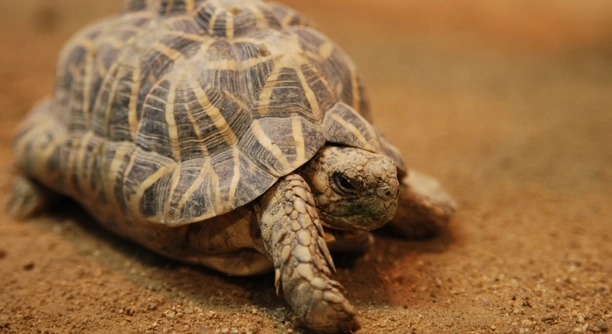
Turtles are fascinating creatures, but sometimes their behavior can be puzzling. If you’ve noticed your turtle trying to bite its own legs, you might be concerned or curious about why this is happening.
The main reason turtles try to bite their own legs is due to stress, poor habitat conditions, or even health issues. It’s often a sign that something is bothering the turtle, either physically or emotionally.
Learning more about this behavior can help you understand how to create a more comfortable and healthier environment for your turtle. Let’s take a look at the possible causes and how you can help.
Stress and Anxiety in Turtles
Turtles can experience stress just like other pets. Factors like sudden changes in their environment, too much handling, or the presence of loud noises can trigger anxiety. When a turtle is stressed, it may start engaging in unusual behaviors, such as biting its own legs. This behavior can be a sign that your turtle feels trapped or unsafe in its habitat. Turtles are creatures of habit, so a change in their environment, whether it’s the water temperature, lighting, or even new tank mates, can make them anxious. In some cases, stress can also weaken their immune system, causing health problems.
A stressed turtle may try to bite its legs as a way of releasing tension or responding to discomfort. It’s important to ensure their living space is calm and predictable to prevent this behavior.
To keep your turtle stress-free, make sure its tank is in a quiet area with minimal disturbances. Avoid overhandling and create a safe, stable environment that includes the right lighting and water temperature. By addressing stress, you can help your turtle feel more secure.
Health Issues and Injuries
Sometimes, biting behavior can stem from physical discomfort or injury. If your turtle is injured, it may try to bite or scratch at the affected area in an attempt to relieve pain. An infection or a wound on its legs might also cause it to repeatedly target that area. In addition to physical injury, some health conditions, like shell rot or parasites, could cause discomfort, leading your turtle to act out by biting itself. It’s important to examine your turtle for any visible signs of injury or infection.
If your turtle is showing signs of distress or seems to be biting its legs due to health issues, it may require a visit to the vet for proper treatment. Regular health checks are essential for preventing problems before they escalate.
Poor Habitat Conditions
Turtles are sensitive to their surroundings, and poor habitat conditions can lead to behavior like biting their legs. If their tank is too small, too dirty, or lacks proper filtration, they may feel cramped or uncomfortable. Over time, these factors contribute to stress and unwanted actions.
An overcrowded tank can restrict movement, leading to frustration. A dirty tank can cause your turtle to feel anxious, and improper water temperature or lighting can also make them uneasy. When these environmental factors are not ideal, your turtle may begin to exhibit strange behaviors like biting its legs.
To improve your turtle’s environment, ensure the tank is the right size for your turtle and has a good filtration system. Regularly clean the tank, and make sure the water temperature is appropriate for the species. Providing a safe and comfortable space is key to preventing stress-related issues.
Lack of Enrichment
Turtles are active creatures that need mental stimulation. Without enough enrichment in their environment, they can become bored or frustrated. A lack of space to swim or objects to explore can lead them to bite their legs as a form of entertainment. This is particularly common in tanks that are too plain or lack any interesting features.
Providing enrichment for your turtle is simple. Add objects like floating platforms, hiding spots, or safe plants to give them more things to explore. Giving them the chance to swim freely in a spacious tank can also make a big difference. Additionally, rotating toys or changing their environment every so often helps keep them engaged. Enrichment is essential for keeping your turtle healthy and preventing unwanted behaviors.
Boredom and Lack of Activity
Turtles need physical and mental activity to stay healthy. Without enough stimulation or exercise, they may become frustrated. This frustration can result in behaviors like biting their own legs. It’s a way for them to release pent-up energy.
Giving your turtle a proper swimming area is important for their physical activity. If they can’t move around enough, they may start to act out. Make sure the tank is large enough for them to swim freely and explore.
Improper Diet
A poor diet can also contribute to unusual behavior in turtles. If your turtle isn’t getting the right nutrients, it might show signs of distress or act strangely. A lack of essential vitamins or minerals can affect their health and behavior.
Ensure your turtle is getting a balanced diet that includes both plant-based and protein-rich foods. Feed them a variety of leafy greens, vegetables, and high-quality pellets. Sometimes, vitamin deficiencies can lead to discomfort, so providing the right nutrition will help keep them healthy and prevent odd behaviors.
FAQ
Why is my turtle constantly biting its legs?
There are several reasons why your turtle might be biting its legs. Stress, poor habitat conditions, and health issues are the most common causes. If your turtle’s environment is too noisy, overcrowded, or dirty, it may become anxious and resort to this behavior. Health problems like injuries or infections could also lead to leg-biting, as the turtle may be trying to relieve discomfort. It’s important to check your turtle for signs of illness or injury and make sure their environment is clean, spacious, and stable.
How can I tell if my turtle is stressed?
Signs of stress in turtles can be subtle. Some common indicators include erratic swimming, hiding frequently, or changes in eating and basking habits. If your turtle is constantly biting its legs, this could also be a sign of stress. A stressed turtle might appear lethargic, or it may show defensive behavior, such as trying to bite when approached. Pay close attention to any changes in your turtle’s activity levels, and ensure their environment is calm and comfortable.
Is there a way to prevent my turtle from biting its legs?
Yes, preventing your turtle from biting its legs is possible by addressing the root causes. Start by ensuring that the tank is large enough for your turtle to move freely. Clean the tank regularly to maintain water quality, and make sure the water temperature is appropriate for your turtle species. Providing enrichment, such as hiding spots or toys, can help keep your turtle mentally stimulated. Additionally, a proper diet and routine health checks are essential for their well-being.
Could my turtle’s diet be causing the leg-biting behavior?
Yes, an improper diet can contribute to abnormal behavior in turtles. If your turtle is not getting the right nutrients, it might act out in different ways, including leg-biting. A lack of essential vitamins or minerals can lead to health problems, which might cause discomfort. Make sure to feed your turtle a balanced diet, with a variety of vegetables, leafy greens, and protein sources. A well-rounded diet will help maintain both their physical health and overall behavior.
Should I be concerned if my turtle bites its legs occasionally?
Occasional leg-biting might not be a serious issue, but it’s important to monitor your turtle’s behavior. If the biting is occasional and doesn’t seem to cause harm, it might be a temporary reaction to something in the environment. However, if the behavior becomes frequent or aggressive, it’s best to examine the situation further and rule out stress, health issues, or poor living conditions.
Can I help my turtle if it’s biting its legs due to an injury?
If your turtle is biting its legs because of an injury, the first step is to assess the damage. Look for visible wounds, swelling, or signs of infection. If you notice any of these, it’s important to take your turtle to the vet for proper treatment. You may need to adjust its habitat temporarily to prevent further injury. Keeping the injured area clean and dry can help, but always consult a vet for advice on healing.
How can I create a stress-free environment for my turtle?
Creating a stress-free environment for your turtle involves a few key factors. Ensure the tank is large enough to allow free movement. Keep the water temperature stable and clean, with proper filtration to maintain water quality. Place the tank in a quiet area to reduce noise and avoid disturbances. Adding some hiding spots, plants, or rocks for exploration can also help. Regularly check for any changes in your turtle’s behavior to catch any stress triggers early.
Is it possible to train my turtle not to bite its legs?
Turtles do not respond to training in the same way as some other pets. However, you can influence their behavior by improving their living conditions. Reducing stress, ensuring they have a proper diet, and providing enrichment can help curb unwanted behaviors, such as leg-biting. While you can’t train your turtle directly, creating a more comfortable and stimulating environment will encourage better behavior.
When should I consult a vet about my turtle’s leg-biting?
If your turtle’s leg-biting becomes persistent or worsens, it’s a good idea to consult a vet. A vet can help identify any underlying health issues or injuries that may be contributing to the behavior. If the biting is accompanied by other symptoms like lethargy, lack of appetite, or visible wounds, it’s especially important to seek professional help. Regular vet check-ups can also ensure your turtle is healthy and receiving the care it needs.
Final Thoughts
Turtles are fascinating creatures, but like any pet, they require attention and care to thrive. If you notice your turtle biting its own legs, it’s important to look at the bigger picture. This behavior is often a sign that something isn’t quite right, whether it’s stress, health issues, or environmental factors. By paying attention to your turtle’s habits and environment, you can identify what might be causing the problem and take steps to address it. Stress, poor habitat conditions, and diet are all common contributors to this behavior, and making adjustments can go a long way in helping your turtle feel more comfortable and content.
Creating a healthy and safe environment for your turtle is essential. A clean, spacious tank with the proper temperature and filtration will go a long way in preventing stress. Turtles need room to swim and explore, so make sure they have enough space to move around freely. Providing enrichment, like hiding spots or safe plants, will also help keep your turtle mentally stimulated and reduce the chances of boredom or frustration. The right environment, along with proper nutrition and regular health checks, will ensure that your turtle remains happy and healthy, which can prevent unwanted behaviors like leg-biting.
Finally, if you’ve tried addressing the environmental and behavioral causes and your turtle’s leg-biting persists, it’s always a good idea to consult a vet. A professional can help rule out any underlying health issues or injuries that might be contributing to the behavior. Regular vet visits are a key part of caring for your turtle, ensuring that any potential problems are spotted early and treated effectively. With the right care and attention, your turtle can live a long, healthy life, free from stress and discomfort.

Hello,
If you enjoy the content that we create, please consider saying a "Thank You!" by leaving a tip.
Every little bit helps us continue crafting quality advice that supports the health, happiness, and well-being of pets around the world, for pets of all shapes, sizes, and species.
We really appreciate the kindness and support that you show us!