
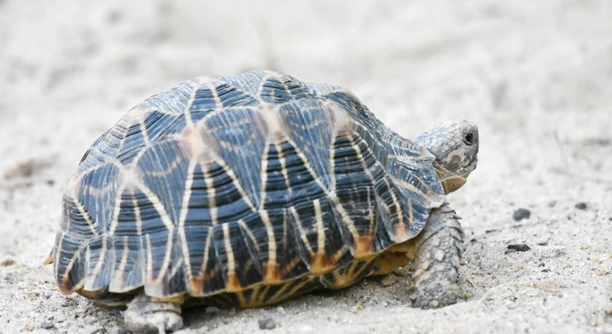
Turtles are fascinating creatures, but if your turtle is swimming in circles, it may indicate something beyond typical behavior. Understanding why this occurs can help ensure their health and well-being.
Turtles may swim in circles due to various reasons, including stress, water quality issues, or an underlying health problem. Ensuring proper tank conditions and providing a suitable environment can help alleviate this behavior.
Addressing these issues promptly can improve your turtle’s comfort and overall health, ensuring a peaceful habitat for your aquatic pet.
Common Reasons for Turtles Swimming in Circles
Turtles can swim in circles for several reasons, and often, it’s a sign that something in their environment is off. One of the most common causes is stress. Stress can stem from various factors like sudden changes in their habitat, new tank mates, or even loud noises. If your turtle’s habitat is too small, it may not feel secure, which can also cause it to swim aimlessly. Another reason for this behavior can be poor water quality. High levels of ammonia, chlorine, or dirty water can irritate your turtle and lead to circular swimming.
Stress and poor water quality are among the top causes of abnormal swimming patterns. Ensuring a stable environment can significantly reduce these issues. Regular water changes and monitoring for tank cleanliness will help prevent health problems related to swimming in circles.
If the behavior persists, it’s crucial to check water conditions, tank size, and other environmental factors. Providing a comfortable and stable home for your turtle is essential for its well-being.
Tank Size and Space
A small tank often leads to limited space for your turtle to explore, causing frustration. Turtles need space to feel secure and comfortable.
If your turtle is swimming in circles, consider upgrading its tank. A larger, properly set-up tank will give your pet more room to move around and reduce stress.
Stress and Anxiety
Turtles are sensitive to their surroundings. Stress can result from loud noises, sudden changes, or overcrowding in their tank. This can cause repetitive behaviors like swimming in circles.
To reduce stress, ensure your turtle’s environment is calm and stable. Avoid placing the tank in a high-traffic area, as constant movement around it can be unsettling. Also, sudden changes in water temperature can trigger anxiety, so try to maintain a consistent temperature. These adjustments can help create a more relaxed atmosphere and reduce repetitive swimming behavior.
If your turtle is showing signs of stress, it’s essential to identify the source and minimize it. Consistent and peaceful surroundings will help your turtle feel secure and prevent abnormal behavior.
Water Quality
Clean, well-maintained water is crucial for your turtle’s health. Poor water quality can cause discomfort, leading to excessive swimming and other strange behaviors.
Test the water regularly for ammonia, nitrites, and nitrates. These substances can build up if the water isn’t changed frequently. Additionally, make sure the water temperature is ideal for your specific turtle species. Proper filtration and regular water changes are essential to keep the tank’s environment healthy. Without this, your turtle may become irritated and start swimming in circles as a result.
Maintaining good water quality will not only prevent this behavior but will also contribute to your turtle’s overall health. A clean, stable tank will make your pet feel more comfortable and reduce unnecessary swimming.
Health Issues
Turtles may swim in circles due to underlying health issues like parasites or infections. If their behavior seems unusual, a trip to the vet may be necessary.
Health concerns can be difficult to identify, so it’s important to monitor any other symptoms, such as loss of appetite or lethargy. Early detection is key to treatment.
If your turtle is displaying persistent circle swimming, a check-up with a reptile vet can help diagnose any potential health issues. They can provide the proper treatment to alleviate discomfort and restore normal behavior.
Temperature and Lighting
Improper temperature and lighting in the tank can disrupt your turtle’s normal behavior. Ensure that your tank has a basking area with appropriate lighting.
Turtles need a heat gradient in their tank to regulate their body temperature. Without the right temperature or lighting, they may become disoriented and exhibit abnormal swimming patterns. The proper lighting, combined with a correct basking temperature, promotes health and reduces stress.
FAQ
Why does my turtle swim in circles all the time?
Turtles that swim in circles often do so because of stress, poor water quality, or health issues. If your turtle is confined to a small tank, doesn’t have proper lighting, or is dealing with water conditions that aren’t ideal, it may start this repetitive behavior. Additionally, certain health conditions or parasites could also contribute to this unusual swimming pattern. To fix this, ensure your turtle has a larger tank, clean water, and a stable environment.
Can swimming in circles hurt my turtle?
Swimming in circles doesn’t directly harm your turtle, but it can be a sign of an underlying issue. If the behavior continues for an extended period, it can lead to stress and potential health problems. It’s important to address the cause, whether it’s water quality, tank size, or health-related, to avoid long-term harm to your pet.
What should I do if my turtle is swimming in circles?
Start by evaluating your turtle’s tank. Ensure that the water is clean, the temperature is appropriate, and the tank is large enough for your turtle to move comfortably. If everything seems fine with the environment, monitor for any signs of illness, such as lethargy or loss of appetite. If the behavior persists, consider visiting a reptile vet for further examination.
How can I reduce stress in my turtle?
Stress can be minimized by providing a stable and calm environment. Keep the tank away from high-traffic areas where loud noises might disturb your turtle. Ensure the water is at the correct temperature and regularly cleaned. Additionally, avoid sudden changes in the tank’s environment, as this can also lead to stress.
How often should I change my turtle’s tank water?
Water changes should be done regularly to maintain a healthy environment for your turtle. Depending on the size of the tank and the number of turtles, you should change 25-50% of the water every week. A filtration system can help reduce the frequency of changes, but regular monitoring is still essential.
What is the best tank size for my turtle?
A general rule of thumb is to provide at least 10 gallons of water per inch of your turtle’s shell. For example, a 4-inch turtle would need a 40-gallon tank. A larger tank will give your turtle enough room to swim and explore, which can help prevent stress and reduce behaviors like swimming in circles.
How do I know if my turtle is sick?
Turtles that are sick may display a variety of symptoms. Common signs include lack of appetite, lethargy, changes in swimming behavior (such as swimming in circles), abnormal shell appearance, or discharge from the eyes or nose. If you notice any of these signs, it’s a good idea to consult with a reptile vet for proper diagnosis and treatment.
Can poor water quality make my turtle swim in circles?
Yes, poor water quality is one of the most common causes of abnormal swimming behavior in turtles. High levels of ammonia, nitrites, or nitrates can irritate your turtle, making it swim erratically. Regular water testing and changes are essential to maintaining a clean and healthy environment for your turtle.
What type of filter is best for my turtle tank?
A good filter is crucial for keeping the water clean and safe for your turtle. Choose a filter that is rated for a tank size larger than your own to ensure efficient filtration. A canister filter or a powerful internal filter works best, as it provides thorough water circulation and removes waste effectively.
Why is my turtle swimming in circles even after I fixed the tank?
If your turtle continues swimming in circles despite addressing water quality and tank size, there may be other underlying issues such as stress, illness, or even boredom. Consider changing the tank setup, adding new hiding spots, or providing enrichment in the form of tank accessories. If the behavior persists, consult a vet for a health check-up.
How much light does my turtle need?
Turtles need both UVA and UVB lighting to stay healthy. UVA light provides warmth, while UVB light helps turtles metabolize calcium and maintain healthy bones and shells. You should provide 10-12 hours of light a day to mimic their natural environment. Make sure to use a proper UVB light bulb and replace it regularly as the intensity decreases over time.
Is it normal for my turtle to float while swimming in circles?
Floating occasionally is normal for a turtle, especially if they’re adjusting their buoyancy. However, if your turtle is consistently floating while swimming in circles, it could indicate a health issue, such as a respiratory infection or internal parasite. If this continues, it’s important to seek advice from a vet.
Can I stop my turtle from swimming in circles with tank decorations?
Adding decorations and structures in the tank can provide hiding spots and encourage your turtle to explore, which may help reduce repetitive swimming. However, it’s important to remember that tank decorations alone won’t fix the root cause if the behavior is due to stress or health problems. Proper tank care is still the most important factor.
Does temperature affect my turtle’s swimming behavior?
Yes, temperature plays a significant role in your turtle’s behavior. If the water is too cold or too warm, it can cause your turtle to act erratically, including swimming in circles. Make sure to maintain the water temperature within the recommended range for your turtle species, usually between 75°F and 85°F.
Is there a chance my turtle is bored and swimming in circles?
Boredom can lead to repetitive behaviors like swimming in circles. Turtles are curious creatures, and if they don’t have enough stimulation, they may engage in this behavior. Providing enrichment, such as tank toys, hiding places, or varying the tank setup, can help alleviate boredom and encourage more natural behavior.
Final Thoughts
Turtles are fascinating creatures, and their behavior can often be linked to their environment or health. If your turtle is swimming in circles, it’s essential to assess the factors that may be contributing to this behavior. It could be something as simple as the tank size or water quality, which can often be corrected with minimal effort. Ensuring the tank is large enough for your turtle to swim comfortably, with clean, properly filtered water, is a good starting point. These changes can make a noticeable difference and help your turtle feel more at ease.
Health issues should not be ruled out when your turtle’s behavior becomes repetitive. Conditions such as respiratory infections or parasites can sometimes manifest through abnormal swimming patterns. If you’ve ruled out environmental factors and your turtle continues to swim in circles, it might be worth consulting a vet. They can provide a proper diagnosis and recommend the necessary treatment. Regular check-ups can help prevent any serious health problems, as early detection often leads to better outcomes for your pet.
Finally, while swimming in circles can be alarming, it doesn’t necessarily indicate a long-term issue. Many turtles may show this behavior temporarily when adjusting to a new environment or during periods of stress. By maintaining proper tank conditions, providing the right food, and offering mental stimulation, you can create an environment that promotes your turtle’s well-being. Monitoring changes in behavior and acting quickly when necessary can ensure that your turtle stays healthy and happy for years to come.

Hello,
If you enjoy the content that we create, please consider saying a "Thank You!" by leaving a tip.
Every little bit helps us continue crafting quality advice that supports the health, happiness, and well-being of pets around the world, for pets of all shapes, sizes, and species.
We really appreciate the kindness and support that you show us!